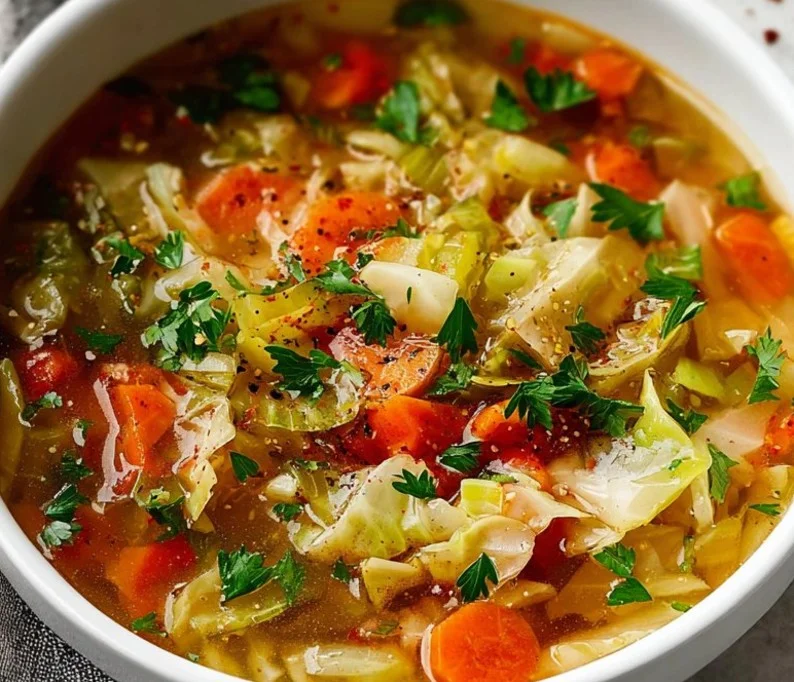
I’m going to be blunt: cabbage gets a bad rap, and it should not be treated like a last-resort vegetable. Packed with vitamin C and fiber, this Cabbage Soup hits a low-calorie, high-satisfaction sweet spot and smells faintly of citrus and slow-simmered tomatoes the second you lift the lid. If you want a weeknight win that behaves like a cozy hug but cleans your plate of leftovers, this recipe is it, and it plays nicely beside a richer bowl like an indulgent best 30-minute high-protein cheeseburger soup when you want contrast on the table.
Print
Best Cabbage Soup
- Total Time: 40 minutes
- Yield: 4 servings 1x
- Diet: Vegetarian
Description
A comforting and nutritious cabbage soup that is low in calories and high in flavor, perfect for busy weeknights.
Ingredients
- 2 tablespoons olive oil
- 1 onion, diced
- 1 large carrot, diced
- 2 celery stalks, diced
- 2 garlic cloves, minced
- 1/2 teaspoon dried oregano
- 1/2 teaspoon dried basil
- 1/2 teaspoon salt
- 1/2 cabbage, chopped
- 1 (14-ounce) can diced tomatoes
- 4 to 6 cups vegetable broth
- 1 to 2 tablespoons lemon juice
- 1/4 cup roughly chopped fresh parsley
- Cracked black pepper, to taste
Instructions
- Heat the olive oil in a large pot over medium-high heat, add the diced onions, carrot, and celery, and cook for 4 to 5 minutes.
- Add the minced garlic and spices, stirring for another minute.
- Add the chopped cabbage and let it sweat for 5 minutes, stirring frequently.
- Pour in the vegetable broth and diced tomatoes, then let it simmer uncovered for 10 minutes.
- Remove from heat and add the lemon juice, parsley, and cracked black pepper. Stir and then serve.
Notes
Serve with crusty bread or yogurt, and feel free to add beans or grains for a heartier meal.
- Prep Time: 10 minutes
- Cook Time: 30 minutes
- Category: Soup
- Method: Simmering
- Cuisine: American
Nutrition
- Serving Size: 1.5 to 2 cups
- Calories: 150
- Sugar: 4g
- Sodium: 800mg
- Fat: 7g
- Saturated Fat: 1g
- Unsaturated Fat: 5g
- Trans Fat: 0g
- Carbohydrates: 20g
- Fiber: 5g
- Protein: 4g
- Cholesterol: 0mg
Why This Cabbage Soup Never Fails
This recipe is stubbornly simple in service of consistently great results. We focus on timing and basic aromatics so the cabbage softens without becoming limp and waterlogged, and the lemon at the end brightens everything so the soup tastes fresh even after a day in the fridge. Think of this as a technique as much as a recipe: once you learn the rhythm, you can riff safely and get dinner on the table in under 40 minutes. That reliability is why I recommend it to busy families and first-time soup makers alike.
Ingredient Lineup
- 2 tablespoons olive oil
- 1 onion, diced
- 1 large carrot, diced
- 2 celery stalks, diced
- 2 garlic cloves, minced
- 1/2 teaspoon dried oregano
- 1/2 teaspoon dried basil
- 1/2 teaspoon salt
- 1/2 cabbage, chopped
- 1 (14-ounce) can diced tomatoes
- 4 to 6 cups vegetable broth
- 1 to 2 tablespoons lemon juice
- 1/4 cup roughly chopped fresh parsley
- cracked black pepper, to taste
This is intentionally lean: pantry staples and a head of cabbage deliver volume and nutrition without fuss. Use the lower broth amount for a thicker bowl or the higher for a brothy soup experience.
Step-by-Step Method
- Heat the olive oil in a large pot over medium-high heat, add the diced onions, carrot, and celery, and cook for 4 to 5 minutes. Expert tip: get a light golden color on the onions for better sweetness but do not brown them deeply or the soup will taste caramelized instead of bright.
- Add the minced garlic and spices, stirring for another minute. Expert tip: keep the heat moderate so the garlic softens without burning; burnt garlic turns bitter fast.
- Add the chopped cabbage and let it sweat for 5 minutes, stirring frequently. Expert tip: cut the cabbage into similar-size pieces so it cooks evenly, and press it down a few times to help it release water and nestle into the aromatics.
- Pour in the vegetable broth and diced tomatoes, then let it simmer uncovered for 10 minutes, or until the vegetables soften to your liking. Expert tip: uncovered simmer keeps the flavors concentrated and prevents a diluted taste; if you want richer depth, simmer an extra 10 minutes.
- Remove from heat and add the lemon juice, parsley, and cracked black pepper. Stir and then serve. Expert tip: always add lemon and fresh herbs off the heat to preserve brightness and the fresh green aroma.
These steps are designed to keep the soup lively and prevent the mushy texture that can kill cabbage dishes. Small timing tweaks make a big difference.
Nutrition Breakdown
- Serving size: about 1.5 to 2 cups depending on how much broth you use.
- Calories: approximately 120 to 160 per serving, variable with broth amount and oil.
- Protein: roughly 3 to 6 grams per serving, depending on broth and any added beans or grains.
- Carbohydrates: around 15 to 20 grams, mostly from vegetables and tomatoes.
- Fat: 6 to 9 grams, coming mainly from the olive oil.
- Fiber: 4 to 7 grams, thanks to cabbage, carrots, and tomatoes.
Health insight: this soup is fiber-forward and low-calorie, which helps satiety without sacrificing flavor. It’s a great base for boosting protein with a can of beans or a shredded chicken thigh if you need a heartier meal.
Perfect Pairings
- Crusty bread or sourdough for dunking, especially on chilly evenings.
- A dollop of plain yogurt or a swirl of olive-oil infused labneh on top for creaminess without heaviness.
- Roasted sausages or a simple pan-seared fish for a protein-forward main, ideal for Sunday dinners.
- Serve it in early autumn when cabbages are at their sweetest, or pair with a bright fall salad to celebrate harvest flavors.
Try matching textures: the lightness of the soup begs for a crunchy side like a fennel slaw or toasted seeds scattered on top.
How to Store It Right
- Refrigerator: Cool to room temperature, then store in an airtight container for up to 4 days. Cold quickly to keep flavors bright.
- Freezer: Freeze in portion-sized containers for up to 3 months; thaw overnight in the fridge before reheating.
- Reheating: Gently simmer on the stove so the soup warms evenly and the cabbage regains tenderness. Avoid high heat which can make vegetables stringy.
- Freshness tip: Add an extra tablespoon of lemon juice or a splash of vinegar after reheating to revive brightness that dulls during storage.
Label containers with the date and whether the soup is diluted or thick, so you know when to add less or more broth upon reheating.
Expert Tips
- Use a mix of broth and a splash of water if your broth is too salty; balance is everything in a simple soup.
- For deeper flavor without extra time, toast the dried oregano and basil in the oil briefly before adding vegetables. The herbs’ oils release and become more aromatic.
- If you want a silky finish, blend 1 cup of the soup and stir it back in for body while keeping some cabbage intact for texture.
- Add a can of drained cannellini beans to make the soup more filling and creamy without cream.
- When serving for a crowd, keep the fresh herbs and lemon separate so guests can brighten their bowls to taste.
These are little moves that elevate a simple pot to something you’d happily serve company.
Flavor Experiments
- Seasonal: Autumn apple and cabbage twist – add a diced tart apple with the cabbage and finish with a pinch of smoked paprika for a harvest-forward bowl.
- Gourmet: Lemon-thyme and white bean upgrade – stir in a drained can of cannellini beans, a sprig of fresh thyme while simmering, and finish with lemon zest for layered sophistication. Consider this when you want a restaurant-style bowl.
- Playful: Spicy kimchi riff – stir in a quarter cup of chopped kimchi and a teaspoon of sesame oil at the end for a tangy, umami-rich version with a kick.
Each variation preserves the base technique while shifting personality, so you can keep the method and play with the mood.
Learn from My Mistakes
- Mistake: Adding lemon too early. Fix: Always finish with lemon off the heat so it keeps brightness and does not cook away.
- Mistake: Overfilling the pot and steaming the cabbage instead of sweating. Fix: Use a large enough pot and let the cabbage sit so it releases water slowly; cook uncovered when you add broth.
- Mistake: Burning the garlic. Fix: Add garlic after the onions have softened and reduce heat as needed; garlic should be fragrant, not bitter.
- Mistake: Using really salty broth. Fix: Taste the broth before you start and dilute or use low-sodium broth; adjust salt only at the end.
- Mistake: Serving lukewarm soup. Fix: Reheat gently and serve hot, then let guests add lemon and parsley so every bowl feels fresh.
These are the small errors that turn a good dish into a so-so dish and the fixes are fast to learn.
What to Do with Leftovers
- Transform into a stew by adding a can of drained beans and a handful of chopped kale, then simmer until thick and spoonable.
- Stir leftover soup into cooked grains like farro or barley for a warm grain bowl; top with roasted seeds and a drizzle of olive oil.
- Blend and use as a quick vegetable base for sauces or as a warmed vegetable purée served beside roasted meats.
If you want a specific bean-forward second act, this recipe makes a great jumping-off point for variations like a can of cannellini added in for heartiness or to follow ideas in this cannellini-rich cannellini bean and cabbage soup for inspiration.
Quick Questions
Q: Can I use other greens instead of cabbage?
A: Yes. Savoy cabbage, napa cabbage, or even thinly sliced kale work well. Napa softens quicker and creates a silkier texture. If using kale, add it later and simmer until tender, about 5 to 7 minutes longer.
Q: Is this soup suitable for meal prep?
A: Absolutely. It holds up well in the fridge for up to 4 days and freezes fine. Add lemon and fresh parsley after reheating to regain brightness, and consider freezing in single-serve portions so you can defrost only what you need.
Q: How do I make it more filling without losing the low-calorie benefit?
A: Add a can of drained white beans or a cup of cooked barley for fiber and protein. Both boost satiety with minimal added fat and preserve the soup’s light character.
Q: Can I use fresh tomatoes instead of canned?
A: Yes, use about 2 cups of chopped ripe tomatoes and add them with the broth. If tomatoes are out of season, canned diced tomatoes offer reliable flavor and consistency.
This cabbage soup is forgiving, versatile, and—trust me—easy to make your own. Follow the steps, remember the quick tips, and you’ll have a weekday staple that’s both humble and satisfying.
2 thoughts on “Best Cabbage Soup | High-Protein”