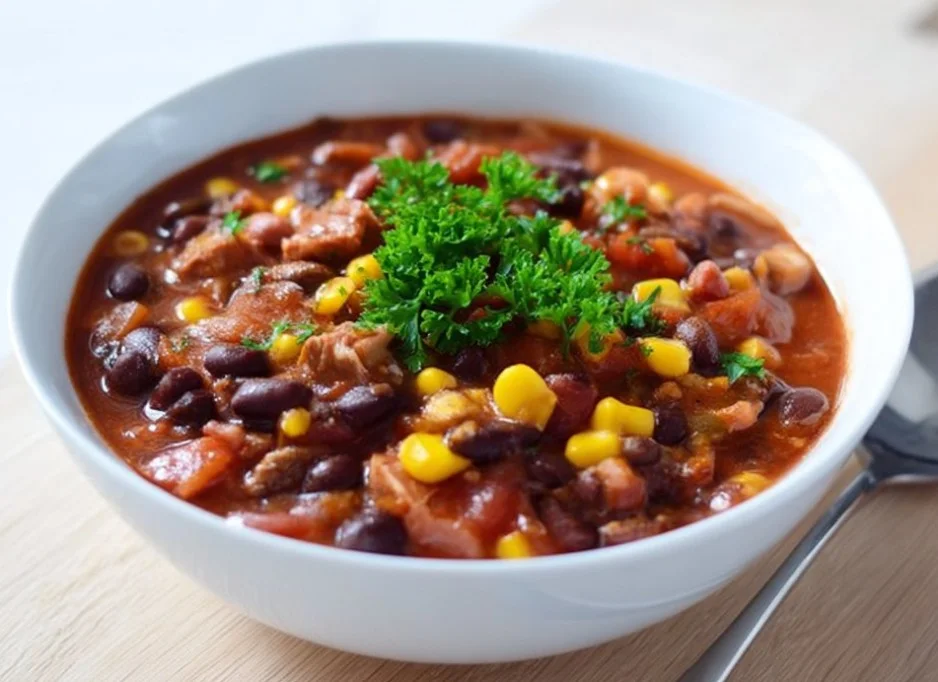
The first cold night I treated my family to a single pot that turned into three meals and two lunchbox legends. Statistics show homemade soup is one of the most cost-effective, nutrient-dense winter meals, and a steamy bowl hits the nose and the soul in equal measure. The trick is a reliable base and smart garnishes.
Print
Quick and Adaptable Vegetable Soup
- Total Time: 30 minutes
- Yield: 4 to 6 servings 1x
- Diet: Vegetarian
Description
A nutrient-dense, cost-effective soup that’s perfect for cold weather, made with pantry-friendly ingredients and packed with flavors.
Ingredients
- 1 tablespoon neutral oil (canola or light olive oil)
- 1 medium yellow onion, diced
- 2 carrots, peeled and diced
- 2 celery stalks, diced
- 3 cloves garlic, minced
- 1 pound mixed mushrooms or a cup of dried mushrooms, rehydrated
- 1 can (14–15 oz) diced tomatoes, with juices
- 6 cups good-quality broth (vegetable, chicken, or beef)
- 1 can (15 oz) cannellini beans or chickpeas, drained and rinsed
- 1 cup short pasta or rice (optional)
- 2 cups chopped hardy greens (kale, collards, or savoy cabbage)
- 1 bay leaf
- 1 teaspoon dried thyme
- Salt and pepper to taste
- Lemon wedges, grated Parmesan, chili flakes, and fresh parsley for finishing
Instructions
- Heat the oil in a large heavy pot over medium heat; add the onion, carrots, and celery and sauté until softened and just starting to brown, about 6 to 8 minutes.
- Add the garlic and mushrooms and cook 3 to 4 minutes until the mushrooms release their liquid and reduce.
- Stir in the diced tomatoes, thyme, bay leaf, and a generous pinch of black pepper; let the mixture simmer for 2 minutes.
- Pour in the broth and bring to a simmer; if adding pasta or rice, add it now and cook according to package time, usually 8 to 12 minutes.
- Stir in the beans and chopped greens, simmer for 2 to 3 minutes until greens wilt and beans are heated through.
- Taste and adjust salt and acidity with a splash of lemon if needed; remove the bay leaf.
- Ladle into bowls and finish with grated Parmesan, chili flakes, and parsley.
Notes
Finish each bowl individually for fresh garnishes and contrast in textures.
- Prep Time: 10 minutes
- Cook Time: 20 minutes
- Category: Soup
- Method: Stovetop
- Cuisine: Global
Nutrition
- Serving Size: 1.5 to 2 cups
- Calories: 300
- Sugar: 6g
- Sodium: 800mg
- Fat: 10g
- Saturated Fat: 1g
- Unsaturated Fat: 9g
- Trans Fat: 0g
- Carbohydrates: 40g
- Fiber: 8g
- Protein: 15g
- Cholesterol: 0mg
How to Make This Quick and Adaptable Vegetable Soup in 30 Minutes
This is a pep talk: you do not need to simmer for hours to get rich flavor. The goal here is a fast, adaptable soup, think a robust vegetable-protein-umami base you can spin into dozens of bowls in under 30 minutes. I’ll show you the technique that scales, the pantry-friendly ingredients that perform, and the small finishing touches that make weeknight soup feel like something special.
Ingredient Lineup
- 1 tablespoon neutral oil (canola or light olive oil)
- 1 medium yellow onion, diced
- 2 carrots, peeled and diced
- 2 celery stalks, diced
- 3 cloves garlic, minced
- 1 pound mixed mushrooms or a cup of dried mushrooms, rehydrated
- 1 can (14–15 oz) diced tomatoes, with juices
- 6 cups good-quality broth (vegetable, chicken, or beef)
- 1 can (15 oz) cannellini beans or chickpeas, drained and rinsed
- 1 cup short pasta or rice (optional for heartier bowls)
- 2 cups chopped hardy greens (kale, collards, or savoy cabbage)
- 1 bay leaf, 1 teaspoon dried thyme, salt and pepper to taste
- Lemon wedges, grated Parmesan, chili flakes, and fresh parsley for finishing
Let’s Cook
- Heat the oil in a large heavy pot over medium heat; add the onion, carrots, and celery and sauté until softened and just starting to brown, about 6 to 8 minutes. Mini-tip: browning here is flavor gold — don’t rush, that fond is the base of your soup’s depth.
- Add the garlic and mushrooms and cook 3 to 4 minutes until the mushrooms release their liquid and reduce. Mini-tip: salt the mushrooms lightly now to help draw out moisture and build umami quickly.
- Stir in the diced tomatoes, thyme, bay leaf, and a generous pinch of black pepper; let the mixture simmer for 2 minutes to concentrate the flavors. Mini-tip: use the tomato juices to deglaze the pan, scraping up any stuck bits.
- Pour in the broth and bring to a simmer; if you’re adding pasta or rice, add it now and cook according to package time, usually 8 to 12 minutes. Mini-tip: undercook pasta by a minute if you plan to reheat — it will absorb more liquid later without going gummy.
- Stir in the beans and chopped greens, simmer for 2 to 3 minutes until greens wilt and beans are heated through. Mini-tip: reserve a few bean halves for garnish to make the bowl look intentional and rustic.
- Taste and adjust salt and acidity with a splash of lemon if needed; remove the bay leaf. Mini-tip: acidity wakes up the whole pot — a squeeze of lemon or a teaspoon of vinegar brightens flavors more reliably than more salt.
- Ladle into bowls and finish with grated Parmesan, chili flakes, and parsley. Mini-tip: finish each bowl individually so garnishes stay fresh and textures remain contrasting.
Balanced Bites
- Serving size: About 1.5 to 2 cups per person; this recipe yields 4 to 6 servings.
- Calories: Roughly 250–350 per serving, depending on whether you add pasta and cheese.
- Protein: Around 12–18 grams per serving with beans included.
- Carbs: Approximately 30–45 grams per serving, higher if pasta or rice is added.
- Fat: Low to moderate, typically 6–12 grams, depending on oil and cheese finishes.
- Fiber: Good source, roughly 6–10 grams per serving from vegetables and beans.
Short health insight: This template balances plant-based protein and slow-energy carbs, making it a satisfying, nutrient-dense cold-weather meal that supports fullness and steady blood sugar.
Perfect Pairings
- Crusty bread or toasted bagels with herby cream cheese for dunking; the crunch contrasts the soup’s warmth.
- A bright, simple salad (baby greens, lemon vinaigrette) to lift the palate between spoonfuls.
- Roasted cheese sandwich for a weekend treat — melt sharp cheddar or Gruyere on country bread.
- Seasonal moment: serve alongside apple slices or pear wedges in autumn for a comforting harvest spread.
How to Store It Right
- Fridge: Cool soup to room temperature within two hours, then store in an airtight container for up to 4 days.
- Freezer: Freeze in portioned containers or heavy-duty freezer bags for up to 3 months; leave headroom for expansion.
- Reheating: Gently reheat on the stovetop over low heat until simmering; add a splash of water or broth if too thick.
- Freshness tip: If greens or pasta seem soggy the next day, refresh with a squeeze of lemon and a handful of fresh herbs just before serving.
Expert Tips
- Use good broth: homemade or a high-quality store-bought broth changes the game; low-sodium gives you control.
- Build layers of flavor: sweat aromatics slowly, brown vegetables, and deglaze before adding broth.
- Texture management: add delicate greens at the very end and add pasta at service time if you plan to store leftover soup.
- Umami quick-fixes: a splash of soy sauce, a teaspoon of miso dissolved in warm broth, or a few dashes of Worcestershire can deepen flavor without extra cooking.
- Batch-cook smart: double the base and freeze in portions with and without starch so one batch serves many purposes.
Flavor Experiments
- Seasonal (autumn): Swap in roasted squash and sage instead of mushrooms, finish with a swirl of browned butter and toasted pumpkin seeds.
- Gourmet (restaurant-style): Stir in a spoonful of aged balsamic vinegar and finish with truffle oil drizzle and shaved Parmesan for an indulgent twist.
- Playful (kid-friendly): Blend half the soup until creamy for a smooth texture, add small alphabet pasta, and top with crispy bacon crumbles for a fun family bowl.
Mistakes to Avoid
- Over-salting at the start: fix by adding acidity (lemon or vinegar) or diluting with unsalted broth; tasting along the way prevents this.
- Adding pasta too early: it will turn mushy; fix by cooking pasta separately and adding it to warmed bowls when serving.
- Skimping on aromatics: a weak base makes bland soup; fix by sautéing onions and carrots until they have color and depth.
- Forgetting texture contrast: all-soft soups are forgettable; fix by topping with crunchy elements like toasted seeds, croutons, or crisped bacon.
- Freezing with dairy or cream: cream can separate on thaw; fix by adding dairy when reheating or using stable alternatives like evaporated milk.
Next-Day Magic
- Soup-to-sandwich: Use leftover thickened soup as a spread inside grilled sandwiches for moist, flavorful filling.
- Risotto-style transformation: Reduce leftover soup over medium heat, stir in arborio rice and cook until creamy for a quick risotto.
- Soup-stuffed vegetables: Hollow out bell peppers or large tomatoes, fill with reheated soup thickened with a dash of breadcrumbs, and bake until set.
Quick Questions
Q: How do I keep soup from getting bland when reheated after a day or two?
A: Brighten with acid (lemon or vinegar), add fresh herbs, and consider finishing with a textured topping like toasted nuts, crispy onions, or a drizzle of olive oil to refresh flavors and mouthfeel.