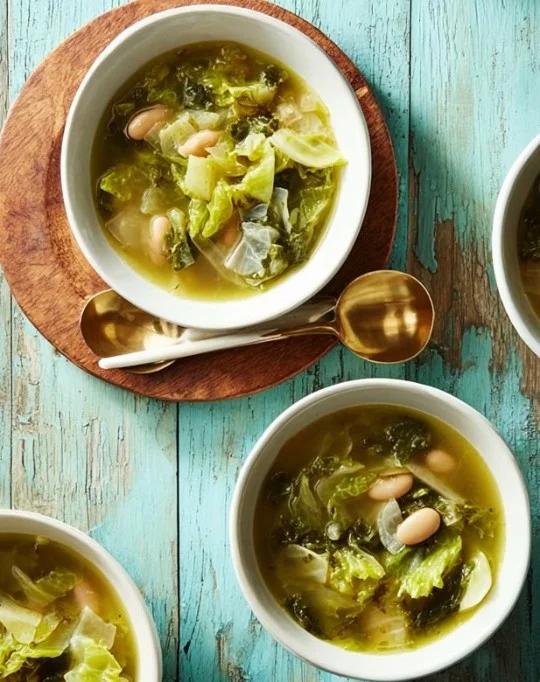
Vegetable Soup sounds like overkill until you realize variety prevents dinner boredom and boosts seasonal nutrition, average homemade soups add 6–10 grams of fiber per bowl and can cut weeknight cooking time in half. I remember a winter where three of those recipes kept our family fed for a month; the smell of simmering onions and thyme still reads like a memory. If you want a quick accessory for your bowl, try this creative bagel toppings guide for crunchy, unexpected accompaniments.
Print
Hearty Vegetable Soup
- Total Time: 60 minutes
- Yield: 4 servings 1x
- Diet: Vegetarian
Description
A versatile and nourishing vegetable soup perfect for cold weather, packed with fiber and flavor.
Ingredients
- 2 tablespoons vegetable oil or butter
- 1 cup diced yellow onion
- 1/2 cup diced celery
- 1/2 cup diced carrots
- 2–3 crushed garlic cloves
- 1 tablespoon tomato paste
- 6 cups low-sodium chicken or vegetable broth
- 1 cup canned crushed tomatoes
- 1 cup dried beans (cannellini or chickpeas) or quick-cooking lentils
- 1 cup short pasta (orzo) or rice
- 1 cup heavy cream or coconut milk for creamy versions
- 1 parmesan rind or 1 tablespoon miso paste
- 2 cups fresh greens (spinach, kale)
- Acid: juice of 1 lemon or 2 tablespoons sherry vinegar
- Salt and freshly ground black pepper to taste
- Optional proteins: shredded chicken, diced ham, or smoked sausage
Instructions
- Heat a heavy pot over medium heat and add vegetable oil or butter. Wait until it shimmers before adding aromatics.
- Add diced onions, celery, and carrots; sauté for 6–8 minutes until soft.
- Stir in crushed garlic cloves and tomato paste; cook for 1 minute until fragrant.
- Add broth, canned tomatoes, beans/lentils, and bring to a simmer.
- Cook until legumes or grains are tender, about 20–30 minutes.
- Add proteins and quick-cooking ingredients in the last 5–10 minutes of cooking.
- Finish with acid, salt, and pepper to taste; drizzle with olive oil or a splash of cream just before serving.
Notes
For creaminess without dairy, blend white beans into the soup. Store garnishes separately to maintain texture.
- Prep Time: 15 minutes
- Cook Time: 45 minutes
- Category: Soup
- Method: Simmering
- Cuisine: American
Nutrition
- Serving Size: 1 heaping bowl (about 2 cups)
- Calories: 300
- Sugar: 6g
- Sodium: 600mg
- Fat: 10g
- Saturated Fat: 3g
- Unsaturated Fat: 7g
- Trans Fat: 0g
- Carbohydrates: 40g
- Fiber: 8g
- Protein: 15g
- Cholesterol: 10mg
Why This Nourishing Vegetable Soup Never Fails
Think of this collection as a winter toolkit: 69 soups means you have options for every mood—rich and restorative, quick and brothy, or creamy and dinner-party ready. The tone here is practical: use the list to rotate ingredients, rescue leftovers, and keep nutrition interesting. I’ll walk you through pantry staples, foolproof methods, and smart variations that make any of these recipes feel like your home’s signature soup.
Ingredient Lineup
- Vegetable oil or butter for base sautéing
- Yellow onion, celery, carrots (classic mirepoix)
- Garlic cloves, fresh thyme, bay leaves
- Canned crushed tomatoes and tomato paste
- Low-sodium chicken or vegetable broth
- Dried beans (cannellini or chickpeas) or quick-cooking lentils
- Short pasta (orzo) or rice for hearty bowls
- Heavy cream or coconut milk for creamy versions
- Parmesan rind or miso paste for umami lift
- Fresh greens (spinach, kale) or finishing herbs (parsley, dill)
- Acid: lemon or sherry vinegar for brightness
- Salt and freshly ground black pepper
- Optional proteins: shredded chicken, diced ham, or smoked sausage
Step-by-Step Method
- Heat a heavy pot over medium heat and add 2 tablespoons of oil or butter; wait until it shimmers before adding aromatics. Expert tip: a properly hot pan caramelizes onions for deep flavor.
- Add 1 cup diced onion, 1/2 cup diced celery, and 1/2 cup diced carrot; sauté 6–8 minutes until soft. Expert tip: sweat the veg without browning for a clean broth.
- Stir in 2–3 crushed garlic cloves and 1 tablespoon tomato paste; cook 1 minute until fragrant. Expert tip: bloom the paste to deepen tomato character without adding acidity.
- Add 6 cups broth, 1 cup canned tomatoes (if using), and dried legumes or grains; bring to a simmer and cook until tender. Expert tip: keep a gentle simmer to avoid broken starch and cloudy broth.
- Add proteins and quick-cooking ingredients (e.g., spinach or cooked pasta) in the last 5–10 minutes. Expert tip: add delicate greens off heat to preserve color and nutrients.
- Finish with acid, salt, and pepper to taste—and a drizzle of olive oil or splash of cream. Expert tip: tasting at the end prevents over-salting and balances flavors with brightness.
Nutrition Breakdown
- Serving size: 1 heaping bowl (about 2 cups). This is a typical portion for dinner.
- Calories: Approximately 250–350 per serving depending on cream and starch.
- Protein: Roughly 10–20 grams with beans or added meat.
- Carbohydrates: About 25–40 grams, largely from vegetables, legumes, and pasta.
- Fat: 7–14 grams, varying with oil, cream, or meat choices.
- Fiber: 5–10 grams when soups include beans, whole grains, or plenty of vegetables.
Short health insight: Swap cream for blended white beans or coconut milk to keep texture without losing protein and fiber; the nutrient tradeoff keeps bowls satisfying and heart-healthy.
Perfect Pairings
- Serve with crusty bread or toast to soak up broth, plus a smear of butter or flavored olive oil.
- Pair lighter broths with crisp salads (arugula and citrus) for balanced meals.
- Match creamy soups with acidic toppings like pickled red onions or lemon zest to cut richness.
- For wine: light white wines for brothy soups, medium-bodied reds for tomato- and bean-based bowls.
- Seasonal moment: a smoky squash soup is perfect for Halloween-to-Thanksgiving stretch, while chilled gazpacho shines during summer heat.
How to Store It Right
- Refrigerate: Cool to room temperature, transfer to airtight containers, and keep up to 4 days.
- Freeze: Many brothy and bean soups freeze well for 2–3 months; avoid freezing soups thickened with dairy—freeze before adding cream.
- Reheat: Thaw overnight in the refrigerator and rewarm gently on low, stirring occasionally to reincorporate separated fats.
- Freshness tip: Store garnishes separately (herbs, croutons, cheeses) to preserve texture and flavor on reheating.
Expert Tips
- Use a parmesan rind or kombu for a fast umami boost without extra salt.
- For silky texture, puree half the soup and return it to the pot; it’s a shortcut to creaminess without cream.
- Cook grains separately if you plan to store soup long-term—this prevents sogginess.
- Taste and adjust in layers: salt mid-cook and brighten at the end with acid.
- Freeze in meal-sized portions for emergency weeknight dinners: label with contents and date.
Flavor Experiments
- Seasonal (Autumn): Roast pumpkin or butternut with apple and sage, then finish with a touch of maple syrup for cozy, complex sweetness.
- Gourmet: Add lobster or smoked trout to a light shellfish broth, finish with tarragon oil and a few microgreens.
- Playful: Turn leftover chicken noodle into a Thai-style bowl with coconut milk, lime, fish sauce, and cilantro for a punchy second life.
Mistakes to Avoid
- Over-salting early: Fix by adding acid or unsalted starches, or dilute with unsalted broth.
- Boiling delicate proteins: Keep temperature low; high heat makes chicken stringy and greens dull.
- Adding pasta into the stored soup: It will absorb liquid and become mushy—cook separately and combine when serving.
- Ignoring texture balance: If everything is soft, add crunchy toppings like toasted seeds or crispy shallots to revive contrast.
- Skipping final acid: A squeeze of lemon or vinegar can rescue a flat bowl and lift flavors dramatically.
What to Do with Leftovers
- Blend into a sauce for pasta—reduce to concentrate flavors and toss with cooked spaghetti and parsley.
- Use as a braising liquid for beans or greens; simmer until reduced, then finish with olive oil.
- Turn into a shepherd’s pie: mix with cooked minced meat, top with mashed potatoes, and bake until golden.
Quick Questions
How do I pick which of the 69 recipes to try first?
Pick by pantry and time: choose brothy, quick recipes when short on time and creamy or legume-forward ones when you want a filling meal. Scan ingredient overlaps to maximize what you have on hand and minimize shopping trips.
Can I make several recipes at once for freezer meals?
Yes. Batch cook 2–3 different soups and freeze in single-serving containers. Keep starches and garnishes separate. Label clearly with date and main ingredients for easy rotation through the month.
Are there vegetarian swaps across the collection that won’t feel like a compromise?
Absolutely. Swap chicken stock for mushroom or vegetable stock, replace meat with lentils or white beans, and add umami (miso, soy, parmesan rind) to keep mouthfeel and depth without animal protein.
How long do the soup recipes from the collection typically take?
Preparation ranges widely: simple broths take 20–30 minutes, hearty legume-based bowls 45–90 minutes depending on soaking or pre-cooked beans. The best plan is to match recipe choice to your available time.
1 thought on “Hearty and Nourishing Vegetable Soup | High-Protein”