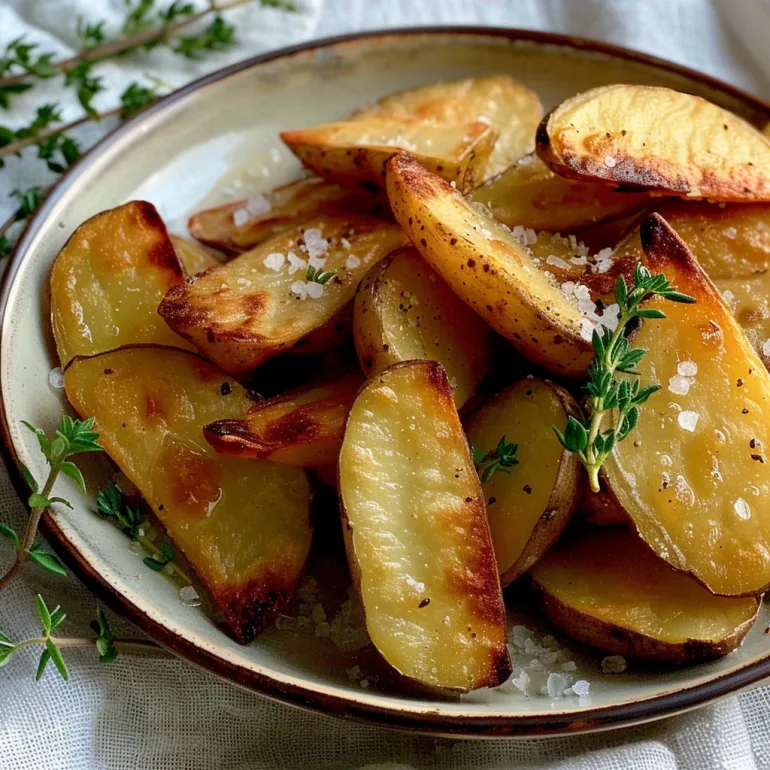
These salt and vinegar fingerling potatoes transform ordinary spuds into something wonderfully tangy and crispy. The high-heat roasting method creates golden, crispy edges while keeping the centers fluffy, and the vinegar adds that distinctive sharp flavor we all crave from the classic chip combination.
Why This Salt and Vinegar Recipe Works
The secret lies in using vinegar twice – first in the boiling water to infuse flavor throughout, then again as a finishing touch. High-temperature roasting creates those coveted crispy edges, while the natural waxy texture of fingerlings holds up beautifully to both boiling and roasting without falling apart.
Ingredients
- 2 pounds fingerling potatoes, halved lengthwise
- 3 tablespoons white vinegar, divided
- 2 tablespoons olive oil
- 1 teaspoon coarse sea salt
- ½ teaspoon freshly ground black pepper
- 1 tablespoon malt vinegar (optional, for extra tang)
- 2 tablespoons fresh chives, chopped (for garnish)
This ingredient list keeps things simple while delivering maximum flavor impact, focusing on quality rather than quantity to let each component shine.
How to Make It
- Preheat your oven to 450°F and position a rack in the upper third. Line a large baking sheet with parchment paper.
- Fill a large pot with water and add 2 tablespoons of white vinegar. Bring to a rolling boil over high heat.
- Add the halved fingerling potatoes to the boiling water and cook for 8-10 minutes, until they’re just fork-tender but still hold their shape.
- Drain the potatoes thoroughly in a colander and let them sit for 2-3 minutes to allow excess moisture to evaporate.
- Transfer the drained potatoes to the prepared baking sheet and drizzle with olive oil. Toss gently to coat evenly.
- Arrange the potatoes cut-side down in a single layer, ensuring they don’t overlap or touch.
- Sprinkle evenly with sea salt and black pepper.
- Roast for 25-30 minutes, until the cut sides are deep golden brown and crispy.
- Remove from oven and immediately drizzle with the remaining 1 tablespoon white vinegar and the malt vinegar if using.
- Garnish with fresh chives and serve immediately while the edges are still crackling.
This two-step cooking method ensures you get both the tangy vinegar flavor penetrating the potato and those irresistibly crispy exteriors that make this dish so satisfying.
Nutrition at a Glance
- Rich in potassium, supporting heart health and muscle function
- Good source of vitamin C for immune system support
- Contains resistant starch when cooled, beneficial for gut health
- Naturally gluten-free and vegetarian
- Lower in calories compared to traditional fried potato preparations
- Provides complex carbohydrates for sustained energy
- Contains antioxidants from the potato skins
- Minimal added fats, with heart-healthy olive oil as the primary fat source
A recipe worth trying: Beef Bites with Potatoes
How to Serve It
- Alongside grilled fish or chicken as a tangy side dish
- As part of a British-inspired pub meal with bangers and mushy peas
- With roasted vegetables for a satisfying vegetarian dinner
- As an appetizer with aioli or herb-infused yogurt dip
- Paired with barbecued meats at summer gatherings
- As a brunch side with eggs and bacon
- With a simple green salad for a light lunch
- As part of a mezze platter with other roasted vegetables
The tangy, salty flavor profile makes these potatoes incredibly versatile, complementing both rich meats and lighter vegetable-based dishes with equal success.
Common Mistakes
- Skipping the pre-boiling step, which results in unevenly cooked potatoes that are crispy outside but hard inside
- Not drying the potatoes thoroughly after boiling, leading to steaming rather than proper browning in the oven
- Overcrowding the baking sheet, preventing proper air circulation and crispy edges
- Using the wrong type of potato – waxy fingerlings work best, while russets can fall apart
- Adding vinegar too early in the roasting process, which can prevent browning and create soggy spots
- Not preheating the oven properly, resulting in longer cooking times and less crispy results
- Cutting potatoes too small, leading to overcooking and mushy texture
- Using too much oil, which creates greasy rather than crispy potatoes
- Not seasoning immediately after roasting, missing the window when seasonings adhere best
Avoiding these pitfalls ensures you’ll get consistently crispy, flavorful results every time you make this dish.
Storage and Reheating
- Store leftover potatoes in the refrigerator for up to 3 days in an airtight container
- Reheat in a 400°F oven for 8-10 minutes to restore crispiness
- Avoid microwaving, which makes the potatoes soggy and eliminates the crispy texture
- For best results, spread reheated potatoes on a baking sheet rather than piling them up
- Add a light sprinkle of salt after reheating to refresh the flavors
- These don’t freeze well due to the high water content of potatoes
- Room temperature storage is not recommended for food safety reasons
- If potatoes seem dry after storage, brush lightly with olive oil before reheating
While these potatoes are definitely best enjoyed fresh from the oven, proper storage and reheating techniques can help you enjoy leftovers with nearly the same crispy satisfaction.
Leftover Ideas
- Chop and add to breakfast hash with eggs and peppers
- Toss into grain bowls for extra substance and flavor
- Use as a topping for loaded baked sweet potatoes
- Add to frittatas or quiches for extra texture and tang
- Incorporate into potato salad for a unique twist on the classic
- Serve cold in summer salads with fresh herbs and vegetables
- Mash slightly and use as a filling for vegetarian tacos
- Add to soups as a hearty garnish that won’t dissolve
- Use in shepherd’s pie as a flavorful alternative to plain mashed potatoes
- Incorporate into grain-free buddha bowls for added substance
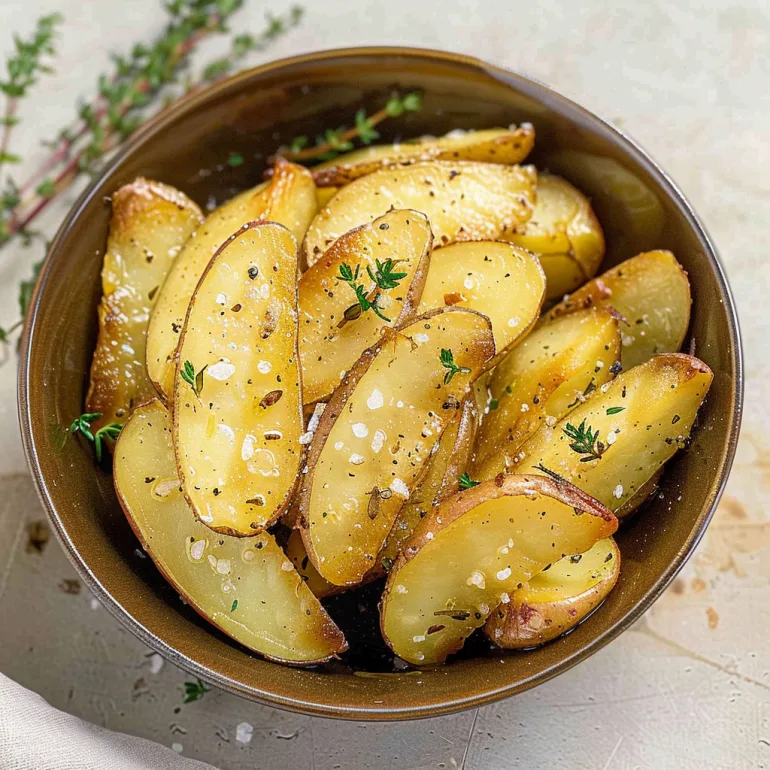
The bold salt and vinegar flavor actually works beautifully in many leftover applications, adding interest to other dishes rather than competing with them.
PrintSalt and Vinegar Fingerling Potatoes
- Total Time: 50 minutes
- Yield: 6 servings 1x
- Diet: Vegetarian
Description
Crispy roasted fingerling potatoes with tangy salt and vinegar flavor, boiled first then roasted for the perfect combination of fluffy interiors and golden crispy edges.
Ingredients
- 2 pounds fingerling potatoes, halved lengthwise
- 3 tablespoons white vinegar, divided
- 2 tablespoons olive oil
- 1 teaspoon coarse sea salt
- ½ teaspoon freshly ground black pepper
- 1 tablespoon malt vinegar (optional)
- 2 tablespoons fresh chives, chopped
Instructions
- 1. Preheat oven to 450°F and line a baking sheet with parchment paper.
- 2. Boil water with 2 tablespoons white vinegar in a large pot.
- 3. Add halved potatoes and cook 8-10 minutes until fork-tender.
- 4. Drain thoroughly and let sit 2-3 minutes to evaporate moisture.
- 5. Transfer to baking sheet, drizzle with olive oil and toss to coat.
- 6. Arrange cut-side down in single layer, sprinkle with salt and pepper.
- 7. Roast 25-30 minutes until deep golden brown and crispy.
- 8. Remove from oven and drizzle with remaining vinegar.
- 9. Garnish with chives and serve immediately.
Notes
Store leftovers in refrigerator up to 3 days. Reheat in 400°F oven for 8-10 minutes to restore crispiness. Don’t microwave as this makes them soggy.
- Prep Time: 15 minutes
- Cook Time: 35 minutes
- Category: Side Dish
- Method: Roasted
- Cuisine: American
Nutrition
- Serving Size: 1 serving
- Calories: 185
- Sugar: 2g
- Sodium: 395mg
- Fat: 5g
- Carbohydrates: 32g
- Fiber: 3g
- Protein: 4g
1 thought on “Salt and Vinegar Fingerling Potatoes – Crispy Roasted Recipe”