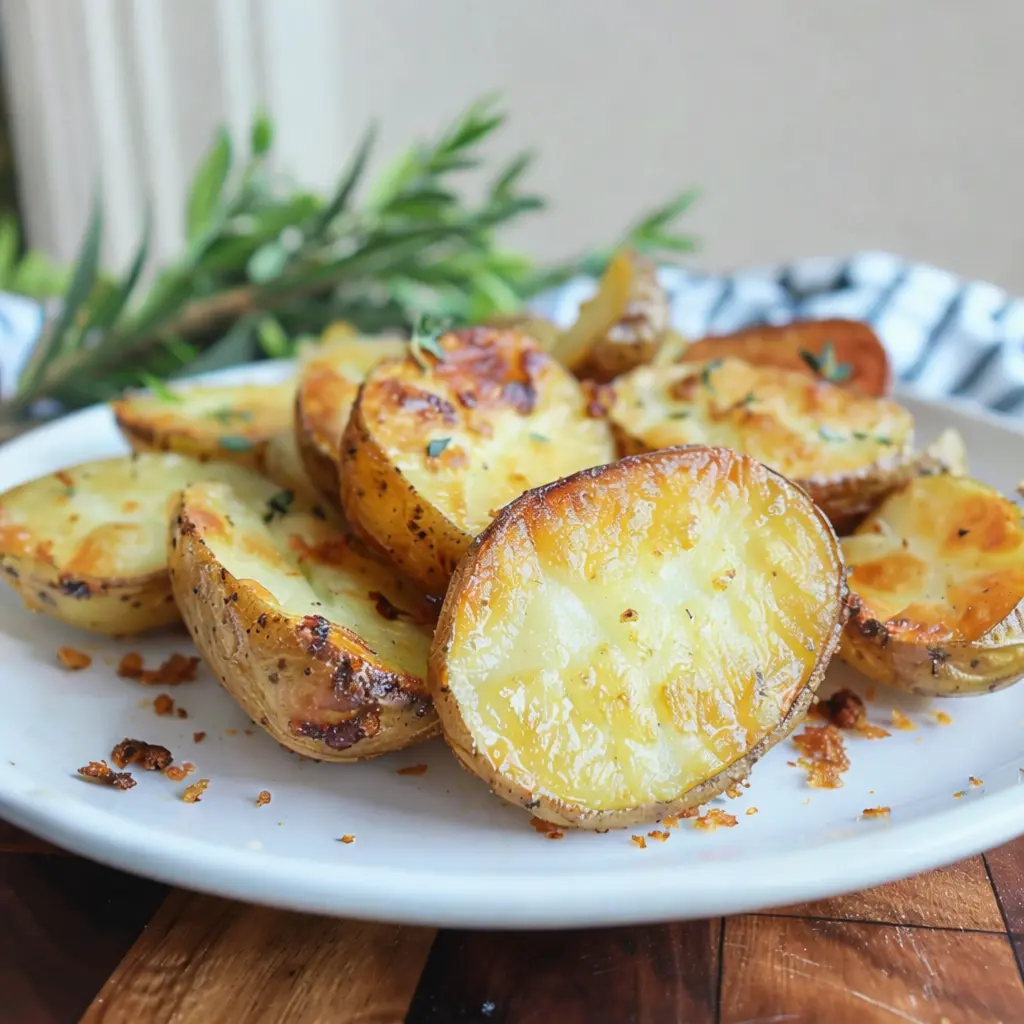
These golden, crispy-edged potatoes deliver the satisfying combination of a crunchy exterior and fluffy, melted interior that makes them worthy of your dinner table’s center stage. After years of experimenting with different roasting techniques, this method consistently produces potatoes with incredible texture and deep, savory flavor that pairs beautifully with everything from weeknight chicken to holiday roasts.
Why This Oven Roasted Large Melting Potatoes Recipe Works
The secret lies in the initial parboiling step, which creates the fluffy interior texture, followed by a roughing-up technique that maximizes surface area for crispy edges. High-heat roasting with quality fat ensures proper browning, while the size of the potato pieces provides enough interior space for that signature melting texture that gives this dish its name.
Ingredients
- 3 pounds large russet or Yukon Gold potatoes, peeled
- 1 teaspoon salt (for boiling water)
- 3 tablespoons olive oil or avocado oil
- 2 tablespoons butter, melted
- 1 teaspoon kosher salt
- ½ teaspoon freshly ground black pepper
- 1 teaspoon garlic powder
- ½ teaspoon paprika
- 2 tablespoons fresh rosemary, chopped (or 1 tablespoon dried)
- 2 tablespoons fresh thyme leaves (or 1 tablespoon dried)
Each ingredient plays a crucial role in developing the complex flavors and textures that make these melting potatoes so memorable, from the starchy foundation of the potatoes themselves to the aromatic herbs that infuse every bite.
How to Make It
- Preheat your oven to 450°F (230°C). Fill a large pot with water, add 1 teaspoon of salt, and bring to a rolling boil over high heat.
- While the water heats, wash and peel the potatoes thoroughly. Cut each potato into large chunks, approximately 2-3 inches in diameter. Try to keep pieces relatively uniform in size for even cooking, though slight variations add rustic charm.
- Carefully add the potato chunks to the boiling water. Cook for 8-10 minutes, until the potatoes are just tender when pierced with a fork but still hold their shape. You want them parboiled, not fully cooked.
- Drain the potatoes in a large colander and let them sit for 2-3 minutes to allow excess moisture to evaporate. This step prevents soggy potatoes and helps achieve better browning.
- Return the drained potatoes to the pot or transfer to a large bowl. Using a fork or potato masher, gently rough up the surfaces of each potato piece. You want to create lots of jagged edges and loose bits that will crisp beautifully in the oven.
- In a small bowl, whisk together the olive oil, melted butter, kosher salt, black pepper, garlic powder, and paprika until well combined. The mixture should be smooth and aromatic.
- Pour the oil mixture over the roughened potatoes. Toss gently but thoroughly, ensuring every piece is well-coated with the seasoned oil. Use your hands if necessary to make sure all surfaces are covered.
- Line a large rimmed baking sheet with parchment paper or lightly grease it. Arrange the potatoes in a single layer, making sure pieces don’t overcrowd or overlap. If needed, use two baking sheets.
- Roast in the preheated oven for 25-30 minutes, until the bottoms are golden brown and crispy. Using a thin spatula, carefully flip each potato piece to expose the other side.
- Continue roasting for another 20-25 minutes, until all sides are golden brown and crispy, and the potatoes feel tender when gently pressed with the spatula.
- Remove from the oven and immediately sprinkle with fresh rosemary and thyme. Toss gently while hot so the herbs become fragrant and slightly wilted from the residual heat.
- Transfer to a serving dish and serve immediately while the exteriors are still crispy and the interiors are steaming hot.
This methodical approach ensures each potato develops the ideal contrast between crispy exterior and fluffy interior that defines excellent melting potatoes.
Nutrition at a Glance
- High in vitamin C, supporting immune system function
- Good source of potassium for heart health and blood pressure regulation
- Provides complex carbohydrates for sustained energy
- Contains vitamin B6, essential for brain function and metabolism
- Offers dietary fiber when skins are included (optional preparation)
- Naturally gluten-free and suitable for most dietary restrictions
- Moderate calorie content, primarily from healthy carbohydrates
- Added fats from olive oil provide beneficial monounsaturated fats
- Fresh herbs contribute antioxidants and anti-inflammatory compounds
- Low in sodium when prepared without excessive added salt
How to Serve It
- Alongside roasted chicken, beef, or pork as a hearty side dish
- With grilled fish for a satisfying contrast of textures
- As part of a vegetarian meal with roasted vegetables and a fresh salad
- During holiday gatherings as an elevated alternative to mashed potatoes
- With breakfast items like eggs and bacon for a weekend brunch
- As a base for loaded potato toppings like cheese, herbs, or sour cream
- Paired with simple grilled vegetables for a complete meal
- Alongside soup or stew for additional substance and comfort
These versatile potatoes complement both casual weeknight dinners and special occasion meals, adapting beautifully to whatever proteins and vegetables you’re serving.
You might love this: Cheesy Scalloped Potatoes
Common Mistakes
- Overcrowding the baking sheet, which leads to steaming instead of roasting
- Skipping the parboiling step, resulting in unevenly cooked potatoes
- Not roughing up the surfaces enough, missing out on maximum crispiness
- Using insufficient oil or fat, preventing proper browning and crisping
- Flipping the potatoes too early, before bottoms are properly browned
- Cutting potatoes too small, losing the signature melting interior texture
- Not preheating the oven fully, leading to uneven cooking temperatures
- Adding fresh herbs too early, causing them to burn and become bitter
- Not draining potatoes well after boiling, creating excess moisture
- Using the wrong potato variety, affecting both texture and flavor
Avoiding these pitfalls ensures your melting potatoes achieve the ideal balance of crispy exterior and fluffy interior every time you make them.
Storage and Reheating
- Store leftovers in the refrigerator for up to 4 days in a covered container
- For best results, reheat in a 400°F oven for 10-15 minutes to restore crispiness
- Avoid microwaving, which makes the crispy exterior soggy and chewy
- Freeze cooked potatoes for up to 3 months in freezer-safe containers
- Thaw frozen potatoes overnight in the refrigerator before reheating
- Add a light drizzle of oil before reheating to enhance crispiness
- Use an air fryer at 375°F for 5-8 minutes for quick reheating
- Store uncooked, seasoned potatoes in the refrigerator for up to 2 days
Proper storage and reheating techniques help maintain the texture and flavor that make these potatoes so appealing, even when enjoying leftovers.
Leftover Ideas
- Chop and add to breakfast hash with eggs and vegetables
- Use as a topping for hearty salads, adding substance and flavor
- Incorporate into soup for extra heartiness and texture
- Mash partially and form into potato cakes for pan-frying
- Add to grain bowls with roasted vegetables and protein
- Use in loaded potato skins with cheese and bacon
- Transform into potato salad with herbs and light dressing
- Include in breakfast burritos or wraps for added bulk
- Serve cold with aioli or herb dipping sauces as appetizers
- Mix into frittatas or quiches for substantial breakfast dishes
These creative applications ensure no delicious potato goes to waste while providing variety in your meal planning throughout the week.
Variations and Substitutions
While this basic recipe delivers excellent results, there are numerous ways to customize these oven roasted large melting potatoes to suit different tastes and dietary needs. For those following a dairy-free diet, simply replace the butter with additional olive oil or try coconut oil for a subtle tropical note. Vegan versions work beautifully with this simple substitution, maintaining all the crispy, melting texture you’re after.
Spice variations can transform the flavor profile completely. Try adding curry powder and turmeric for an Indian-inspired version, or use smoked paprika and cumin for a southwestern twist. Mediterranean herbs like oregano and basil create a different aromatic profile, while Asian-inspired versions might include sesame oil, ginger powder, and a sprinkle of sesame seeds added after cooking.
Different potato varieties yield interesting results too. While russets and Yukon Golds are classics, red potatoes create a slightly different texture with their thinner skins and waxier flesh. Purple potatoes add visual appeal and slightly different flavor notes, though they may not achieve quite the same level of fluffiness inside.
For those watching sodium intake, reduce the added salt and compensate with additional herbs and spices. Lemon zest added after cooking brightens the entire dish without adding sodium. Nutritional yeast provides a savory, slightly cheesy flavor for those avoiding dairy or simply wanting extra umami depth.
Troubleshooting Common Issues
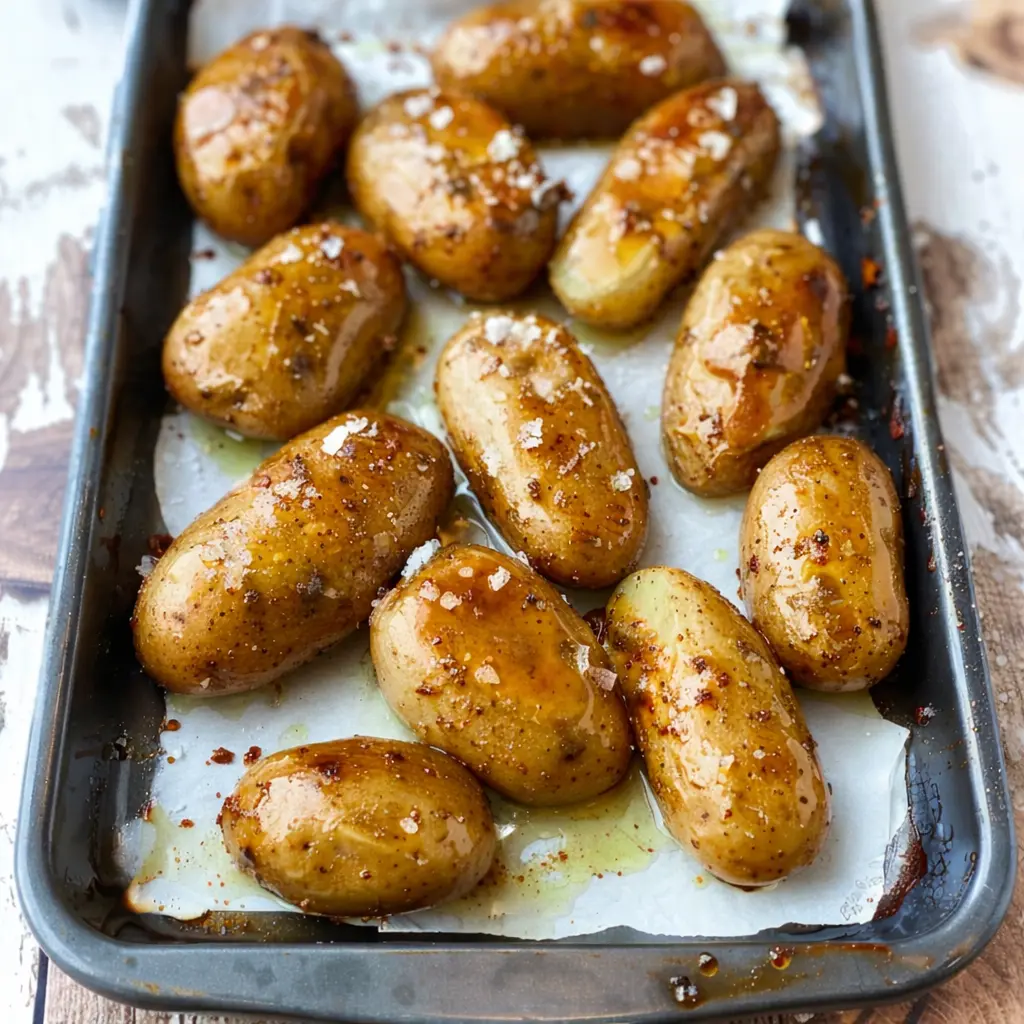
Even experienced cooks sometimes encounter challenges with melting potatoes. If your potatoes aren’t crisping properly, the most common culprits are overcrowding the pan or insufficient preheating. Make sure your oven reaches full temperature before adding the potatoes, and give each piece adequate space to brown properly.
Potatoes that fall apart during cooking usually indicate over-parboiling in the initial step. They should be tender when pierced but still hold their shape firmly. If this happens, you can still salvage the dish by treating the broken pieces as rustic, chunky roasted potatoes rather than the neat pieces you planned.
Uneven browning often results from inconsistent potato sizes or oven hot spots. Try to cut pieces as uniformly as possible, and consider rotating your baking sheet halfway through cooking if your oven has known hot spots. An oven thermometer can help verify that your actual temperature matches the setting.
If the exterior browns too quickly while the interior remains undercooked, your oven temperature may be too high, or the potato pieces might be too large. Reduce the temperature by 25°F and extend cooking time, or cut smaller pieces next time.
Seasonal Adaptations
These versatile potatoes adapt beautifully to seasonal ingredients and occasions. During summer, fresh herbs from the garden elevate the dish significantly. Try combinations like fresh basil and oregano, or experiment with more unusual herbs like summer savory or fresh sage.
Fall versions might incorporate warming spices like cinnamon, nutmeg, or allspice for a subtle complexity that pairs beautifully with roasted meats and hearty vegetables. Adding a touch of maple syrup to the oil mixture creates a lovely glaze that complements autumn flavors.
Winter adaptations could include heartier herbs like sage and rosemary, or even a sprinkle of parmesan cheese added during the last few minutes of roasting. The cheese creates an additional crispy layer while adding rich, savory notes that work well with cold-weather meals.
Spring versions shine with fresh chives, parsley, and even edible flowers for special occasions. Light, bright flavors work well as the weather warms and meals become less heavy overall.
PrintOven Roasted Large Melting Potatoes
- Total Time: 75 minutes
- Yield: 6 servings 1x
- Diet: Vegetarian
Description
Golden, crispy-edged potatoes with fluffy, melting interiors. Parboiled then roasted to achieve the ideal contrast of textures with aromatic herbs and seasonings.
Ingredients
- 3 pounds large russet or Yukon Gold potatoes, peeled
- 1 teaspoon salt (for boiling water)
- 3 tablespoons olive oil or avocado oil
- 2 tablespoons butter, melted
- 1 teaspoon kosher salt
- ½ teaspoon freshly ground black pepper
- 1 teaspoon garlic powder
- ½ teaspoon paprika
- 2 tablespoons fresh rosemary, chopped
- 2 tablespoons fresh thyme leaves
Instructions
- 1. Preheat oven to 450°F. Bring large pot of salted water to boil.
- 2. Peel and cut potatoes into 2-3 inch chunks.
- 3. Parboil potatoes for 8-10 minutes until just tender.
- 4. Drain well and let sit 2-3 minutes to dry.
- 5. Rough up surfaces with fork to create jagged edges.
- 6. Mix oil, butter, salt, pepper, garlic powder, and paprika.
- 7. Toss potatoes with oil mixture until well coated.
- 8. Arrange on baking sheet in single layer.
- 9. Roast 25-30 minutes, flip, then roast 20-25 minutes more.
- 10. Sprinkle with fresh herbs and serve immediately.
Notes
Store leftovers up to 4 days. Reheat in 400°F oven to restore crispiness.
- Prep Time: 15 minutes
- Cook Time: 60 minutes
- Category: Side Dish
- Method: Roasting
- Cuisine: American
Nutrition
- Serving Size: 1 serving
- Calories: 285
- Sugar: 2g
- Sodium: 410mg
- Fat: 8g
- Carbohydrates: 48g
- Fiber: 4g
- Protein: 6g
1 thought on “Oven Roasted Large Melting Potatoes – Crispy Outside, Fluffy Inside”