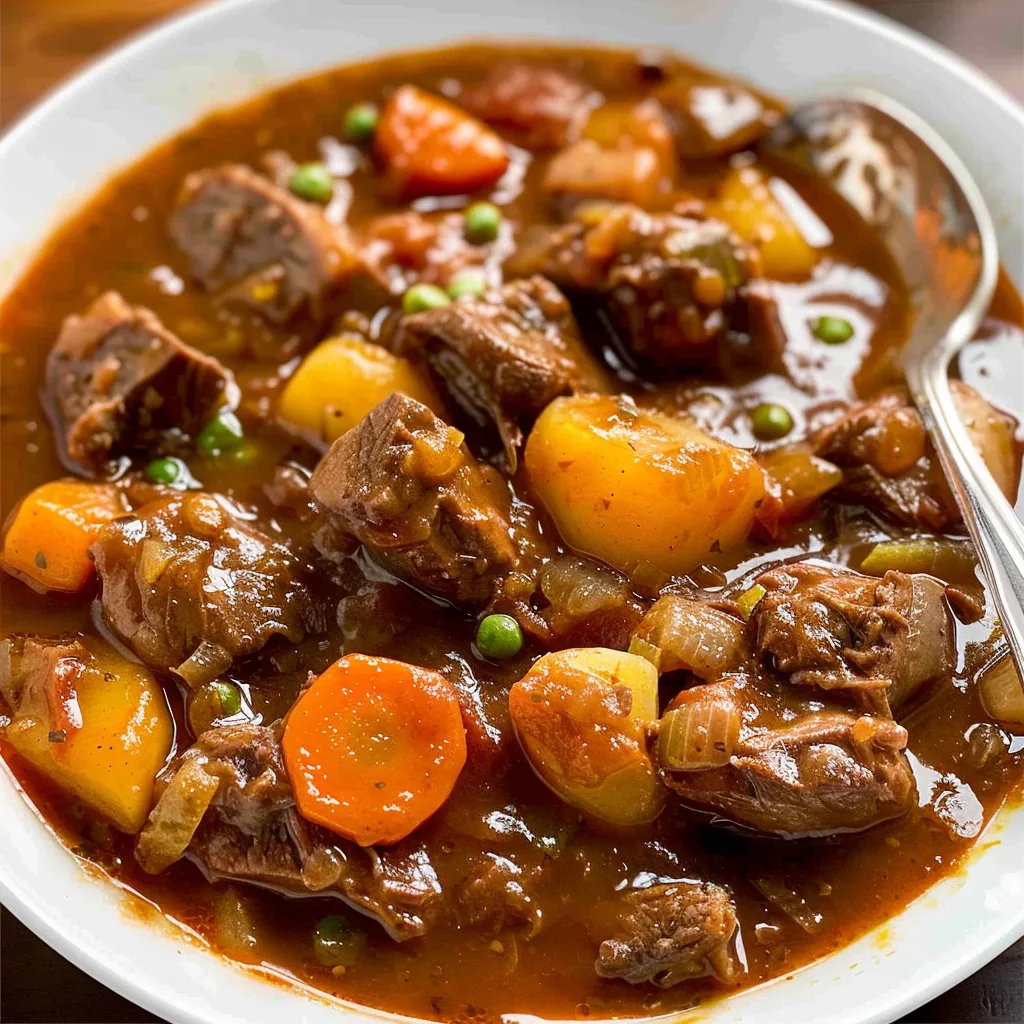
There’s something deeply satisfying about coming home to the rich aroma of beef stew that’s been simmering all day in your slow cooker. This comforting dish transforms simple ingredients into a hearty meal that warms you from the inside out, requiring minimal effort while delivering maximum flavor.
Why This Slow Cooker Beef Stew Works
The low, steady heat of a slow cooker breaks down tough beef into tender, melt-in-your-mouth pieces while allowing all the flavors to meld beautifully. Unlike stovetop versions that require constant attention, this method lets you set it and forget it, making it ideal for busy weekdays when you want a home-cooked meal without the fuss.
Ingredients
- 2 pounds beef chuck roast, cut into 2-inch cubes
- 1/3 cup all-purpose flour
- 2 teaspoons salt, divided
- 1 teaspoon black pepper, divided
- 3 tablespoons olive oil
- 1 large onion, diced (about 1½ cups)
- 4 cloves garlic, minced
- 3 tablespoons tomato paste
- 1/2 cup red wine (optional, can substitute with extra beef broth)
- 4 cups low-sodium beef broth
- 2 bay leaves
- 2 teaspoons fresh thyme (or 1 teaspoon dried)
- 1 teaspoon dried rosemary
- 1 tablespoon Worcestershire sauce
- 1½ pounds Yukon Gold potatoes, cut into 1-inch pieces
- 4 large carrots, cut into 1-inch pieces
- 3 celery stalks, cut into 1-inch pieces
- 1 cup frozen peas
- 2 tablespoons cornstarch mixed with 3 tablespoons cold water (for thickening)
- Fresh parsley for garnish
Each ingredient serves a specific purpose in building layers of flavor and texture that make this stew truly satisfying.
How to Make It
- Pat the beef cubes completely dry with paper towels. In a shallow dish, combine flour, 1 teaspoon salt, and ½ teaspoon pepper. Toss the beef pieces in the seasoned flour mixture until evenly coated, shaking off any excess.
- Heat olive oil in a large skillet over medium-high heat. Working in batches to avoid overcrowding, brown the beef cubes on all sides, about 6-8 minutes total per batch. The beef should develop a nice golden-brown crust. Transfer browned beef to your slow cooker as you finish each batch.
- In the same skillet, reduce heat to medium and add the diced onion. Cook for 3-4 minutes until softened and translucent, scraping up any browned bits from the bottom of the pan. Add minced garlic and cook for another 30 seconds until fragrant.
- Stir in the tomato paste and cook for 1 minute, allowing it to deepen in color. If using wine, pour it in now and let it simmer for 2 minutes, scraping up any remaining browned bits. If not using wine, skip this step and proceed to the next.
- Pour the beef broth into the skillet and bring to a simmer. Add bay leaves, thyme, rosemary, Worcestershire sauce, and remaining salt and pepper. Stir well to combine all the flavors.
- Pour this flavorful broth mixture over the browned beef in the slow cooker. The liquid should just cover the meat. If needed, add a bit more broth or water.
- Cover and cook on LOW for 4-5 hours. The beef should be getting tender but not completely fall-apart yet.
- Add the potatoes, carrots, and celery to the slow cooker, stirring gently to distribute them evenly. Continue cooking on LOW for another 2-3 hours, until the vegetables are tender and the beef easily shreds with a fork.
- About 30 minutes before serving, stir in the frozen peas. They’ll cook quickly and add a lovely pop of color and sweetness to balance the rich flavors.
- If you prefer a thicker stew, mix the cornstarch with cold water to create a slurry. Stir this mixture into the stew and cook for an additional 15-20 minutes until the liquid thickens to your desired consistency.
- Remove the bay leaves and taste for seasoning, adjusting salt and pepper as needed. Serve hot, garnished with fresh chopped parsley.
This straightforward method ensures tender beef and perfectly cooked vegetables in a rich, flavorful broth that’s been developing all day.
Here’s another great option: Slow Cooker Beef Stew With Mushrooms
Nutrition at a Glance
- High in protein from the beef, supporting muscle health and keeping you satisfied longer
- Rich in vitamins A and C from carrots and peas, supporting immune function
- Good source of potassium from potatoes, important for heart health
- Contains B vitamins from the beef, essential for energy metabolism
- Provides fiber from vegetables, supporting digestive health
- Iron-rich from beef, helping prevent anemia
- Lower in sodium when using low-sodium broth compared to canned alternatives
- Naturally gluten-free if you substitute the flour with cornstarch for coating
- One serving provides approximately 380 calories with a good balance of macronutrients
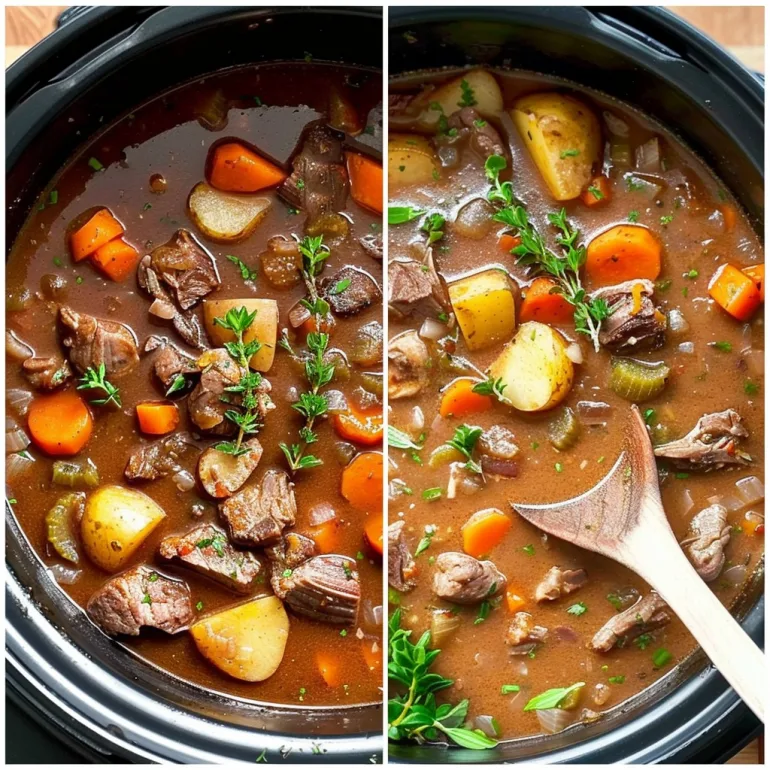
How to Serve It
- Ladle into deep bowls and serve with crusty bread or dinner rolls for dipping
- Pair with buttered biscuits or cornbread for a Southern-style meal
- Serve over mashed potatoes for extra heartiness (though the stew already contains potatoes)
- Accompany with a simple green salad dressed with vinaigrette to cut through the richness
- Offer crackers on the side for added texture and crunch
- Sprinkle with fresh herbs like parsley, chives, or thyme before serving
- Add a dollop of sour cream for extra richness and tang
- Serve with pickled vegetables for a bright, acidic contrast
The stew is substantial enough to serve as a complete meal, but these accompaniments can enhance the dining experience.
Common Mistakes
- Skipping the browning step – this crucial step develops deep flavor that can’t be replicated later in the cooking process
- Cutting vegetables too small – they’ll become mushy during the long cooking time, so aim for 1-inch pieces
- Adding vegetables too early – root vegetables need time to cook, but they shouldn’t turn to mush
- Not patting the beef dry before browning – wet meat will steam rather than brown properly
- Overcrowding the pan when browning – this causes the meat to steam and prevents proper caramelization
- Using the wrong cut of meat – lean cuts will become tough and dry; stick with chuck roast or other well-marbled cuts
- Lifting the lid frequently – this releases heat and extends cooking time significantly
- Not seasoning in layers – season the flour, the vegetables, and the final dish for best flavor
- Adding dairy products too early – they can curdle during long cooking times
- Using high heat to speed up cooking – this can make the meat tough and vegetables mushy
Avoiding these pitfalls will ensure your stew turns out tender, flavorful, and perfectly textured every time.
Storage and Reheating
- Cool completely before storing – allow stew to reach room temperature within 2 hours of cooking
- Refrigerate in airtight containers for up to 4 days
- Freeze in portion-sized containers for up to 3 months for best quality
- Label containers with contents and date to track freshness
- Reheat on stovetop over medium-low heat, stirring occasionally, until heated through
- Microwave individual portions in 30-second intervals, stirring between each interval
- Add a splash of broth or water if the stew seems too thick after storage
- Frozen stew can be thawed overnight in refrigerator before reheating
- Never refreeze previously frozen and thawed stew for food safety reasons
- Reheat only the portion you plan to eat rather than the entire batch
Proper storage techniques will maintain the stew’s quality and ensure it’s safe to eat when you’re ready for those comforting leftovers.
Leftover Ideas
- Transform into beef pot pie by topping with pastry or biscuit dough and baking until golden
- Use as a filling for empanadas or hand pies for a portable meal option
- Serve over rice or pasta for a different presentation and added carbohydrates
- Thin with additional broth to create a hearty soup
- Use as a topping for baked potatoes, creating a loaded potato meal
- Mix with cooked pasta and cheese for a comforting casserole
- Serve over polenta or grits for a Southern-inspired dish
- Use as a filling for quesadillas with added cheese
- Create shepherd’s pie by topping with mashed potatoes and broiling until golden
- Add to omelets or frittatas for a protein-rich breakfast
- Use as a sauce for homemade pizza with added cheese
- Stuff into pita pockets with fresh greens for a quick lunch
These creative applications ensure that your delicious stew never becomes boring, even after several days of leftovers.
PrintSlow Cooker Beef Stew
- Total Time: 7 hours 20 minutes
- Yield: 8 servings 1x
Description
Tender beef and vegetables in rich, savory broth made effortlessly in your slow cooker
Ingredients
- 2 pounds beef chuck roast, cut into 2-inch cubes
- 1/3 cup all-purpose flour
- 2 teaspoons salt, divided
- 1 teaspoon black pepper, divided
- 3 tablespoons olive oil
- 1 large onion, diced
- 4 cloves garlic, minced
- 3 tablespoons tomato paste
- 1/2 cup red wine (optional)
- 4 cups low-sodium beef broth
- 2 bay leaves
- 2 teaspoons fresh thyme
- 1 teaspoon dried rosemary
- 1 tablespoon Worcestershire sauce
- 1½ pounds Yukon Gold potatoes, cut into 1-inch pieces
- 4 large carrots, cut into 1-inch pieces
- 3 celery stalks, cut into 1-inch pieces
- 1 cup frozen peas
- 2 tablespoons cornstarch mixed with 3 tablespoons cold water
- Fresh parsley for garnish
Instructions
- 1. Pat beef dry and coat in seasoned flour mixture.
- 2. Brown beef cubes in olive oil in batches until golden. Transfer to slow cooker.
- 3. Sauté onion and garlic in same skillet until softened.
- 4. Add tomato paste and wine, cooking briefly.
- 5. Add broth, herbs, and seasonings. Pour over beef.
- 6. Cook on LOW for 4-5 hours.
- 7. Add potatoes, carrots, and celery. Cook 2-3 hours more.
- 8. Add peas in final 30 minutes.
- 9. Thicken with cornstarch slurry if desired.
- 10. Remove bay leaves, adjust seasoning, and serve garnished with parsley.
Notes
Store refrigerated up to 4 days or freeze up to 3 months. Stew tastes even better the next day.
- Prep Time: 20 minutes
- Cook Time: 7 hours
- Category: Main Dish
- Method: Slow Cooker
- Cuisine: American
Nutrition
- Serving Size: 1 cup
- Calories: 380
- Sugar: 8g
- Sodium: 680mg
- Fat: 12g
- Carbohydrates: 35g
- Fiber: 4g
- Protein: 28g