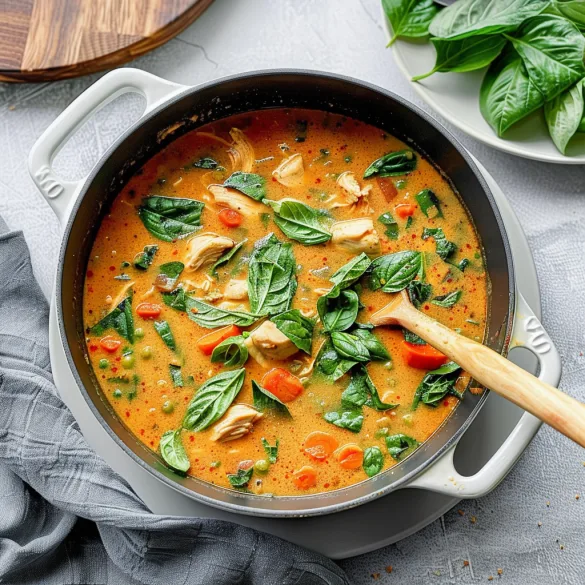
This recipe for Creamy Dairy Free Chicken and Vegetable Soup has become a staple in my kitchen. It’s the kind of meal that feels incredibly comforting and nourishing, especially on days when I crave something warm and satisfying without any of the fuss. The creamy texture, achieved without any dairy, is a true delight, and the medley of vegetables makes it a well-rounded and wholesome dish that I can feel good about serving to my family and enjoying myself.
Why This Creamy Dairy Free Chicken and Vegetable Soup Works
This soup truly shines because it delivers on flavor and texture while adhering to several popular dietary needs. The creamy base is achieved through clever use of blended vegetables and healthy fats, making it accessible for those avoiding dairy, gluten, and grains. It’s a hearty and satisfying meal that doesn’t compromise on taste, making it a go-to for a weeknight dinner or a nutritious lunch.
Ingredients
- 2 tablespoons olive oil (or avocado oil)
- 1 large yellow onion, chopped
- 2 large carrots, peeled and chopped
- 2 celery stalks, chopped
- 3 cloves garlic, minced
- 6 cups low-sodium chicken broth (or vegetable broth for a vegetarian option)
- 2 cups cooked chicken, shredded or diced (rotisserie chicken is a great shortcut)
- 1 cup chopped broccoli florets
- 1 cup chopped cauliflower florets
- 1 teaspoon dried thyme
- 1/2 teaspoon dried rosemary
- Salt and freshly ground black pepper, to taste
- 1/2 cup full-fat canned coconut milk (unsweetened, from a can, not the carton)
- 1/4 cup fresh parsley, chopped (for garnish, optional)
Gathering all your ingredients before you start is key to a smooth cooking process. This list ensures you have everything ready to go for a delicious pot of soup.
Here’s another great option: Creamy Parmesan Chicken and Rice Soup
How to Make It
- Heat the olive oil in a large pot or Dutch oven over medium heat. Add the chopped onion, carrots, and celery. Sauté the vegetables for 8-10 minutes, stirring occasionally, until they begin to soften. This initial sauté builds a foundational layer of flavor for the soup.
- Add the minced garlic to the pot and cook for another minute until fragrant, being careful not to burn it.
- Pour in the chicken broth and bring the mixture to a gentle boil.
- Add the cooked chicken, broccoli florets, cauliflower florets, dried thyme, and dried rosemary to the pot. Stir to combine.
- Reduce the heat to low, cover, and let the soup simmer for 15-20 minutes, or until the vegetables are tender.
- Once the vegetables are tender, carefully transfer about 2 cups of the soup (including vegetables and broth) to a blender. Blend until smooth and creamy. Alternatively, you can use an immersion blender directly in the pot, blending until a portion of the vegetables are pureed to achieve that creamy texture. Be very cautious when blending hot liquids.
- Return the blended soup mixture to the pot if you used a traditional blender. Stir in the coconut milk.
- Season the soup with salt and freshly ground black pepper to your taste. Gently heat the soup through, but do not boil after adding the coconut milk.
- Ladle the creamy chicken and vegetable soup into bowls and garnish with fresh parsley, if desired.
Following these steps will result in a wonderfully creamy and flavorful soup that is both healthy and satisfying.
Nutrition at a Glance
- High in Protein: From the chicken, supporting muscle health and satiety.
- Rich in Vitamins and Minerals: Packed with vitamins A and C from carrots and broccoli, plus fiber from all the vegetables.
- Healthy Fats: Olive oil and coconut milk contribute beneficial fats for energy and nutrient absorption.
- Dairy-Free and Gluten-Free: Suitable for those with lactose intolerance or gluten sensitivities.
- Whole30 and Paleo Compliant: Meets the strict guidelines of these popular eating plans.
- Lower in Sodium: When using low-sodium broth, this soup is a good choice for those monitoring their sodium intake.
- Hydrating: Broth-based soups contribute to your daily fluid intake.
- Antioxidant-Rich: The variety of vegetables provides a good dose of antioxidants.
- Fiber-Packed: The abundance of vegetables contributes to digestive health.
- Low Glycemic Impact: Primarily composed of non-starchy vegetables and protein, leading to a more stable blood sugar response.
This soup is designed to be as nourishing as it is delicious, offering a wealth of benefits with every spoonful. The combination of lean protein, healthy fats, and a wide array of nutrient-dense vegetables makes it a powerhouse meal that supports overall well-being.
How to Serve It
- As a Hearty Meal: This soup is substantial enough to stand on its own as a complete and satisfying lunch or dinner.
- With Gluten-Free Bread: If you’re not strictly adhering to Paleo or Whole30, a slice of good quality gluten-free bread or a grain-free bread can be a wonderful accompaniment for dipping.
- Alongside a Salad: For a lighter yet complete meal, serve a smaller portion of soup alongside a fresh green salad with a simple vinaigrette.
- With Avocado: A dollop of mashed or sliced avocado on top adds an extra layer of creaminess and healthy fats.
- With a Sprinkle of Toasted Seeds: (For non-Paleo/Whole30) Toasted pumpkin or sunflower seeds can add a delightful crunch.
- A Squeeze of Lemon: A bright squeeze of fresh lemon juice just before serving can lift all the flavors and add a zesty finish.
- As a Starter: Serve a smaller bowl as an appetizer before a main course.
- For a Cozy Evening: This soup is ideal for a comforting meal on a cool evening.
- For Meal Prep: Portion it into containers for easy, healthy lunches throughout the week.
- Reimagined Bowl: Serve over a bed of cauliflower rice for an extra filling and nutrient-dense meal.
Serving this creamy chicken and vegetable soup is all about enhancing its comforting qualities and complementing its wholesome ingredients. The versatility of this dish means it can be enjoyed in many ways, catering to different appetites and occasions.
Common Mistakes
- Overcooking the Vegetables: Simmering for too long can result in mushy vegetables, losing their texture and some of their nutrients. Aim for tender-crisp.
- Not Sautéing the Aromatics: Skipping the initial sauté of onion, carrots, and celery means you miss out on developing a deep flavor base. These vegetables soften and release their sweetness when gently cooked.
- Burning the Garlic: Adding garlic too early or cooking it at too high a heat can make it bitter and unpleasant. It should only be cooked for about a minute until fragrant.
- Using Carton Coconut Milk: Carton coconut milk is much thinner and doesn’t provide the rich, creamy texture that canned full-fat coconut milk does. Always opt for the canned variety.
- Not Blending Enough (or Too Much): The key to creaminess is blending a portion of the vegetables to thicken the broth. If you don’t blend enough, it will be brothy. If you blend all of it and add no additional liquid, it might be too thick.
- Boiling After Adding Coconut Milk: High heat can cause coconut milk to separate or curdle. Gently heat the soup through without bringing it to a rolling boil.
- Under-Seasoning: Salt and pepper are crucial for bringing out the flavors of all the ingredients. Taste and adjust seasoning at the end.
- Using Pre-Shredded Vegetables: While convenient, pre-shredded vegetables can sometimes have a dried-out texture and may not cook as evenly.
- Not Letting Flavors Meld: While this soup is delicious fresh, it can be even better the next day as the flavors have had more time to meld together.
- Incorrect Chicken Preparation: Ensure your chicken is fully cooked and shredded or diced into manageable, bite-sized pieces for easy eating.
Avoiding these common pitfalls will ensure you achieve the best possible outcome for your Creamy Dairy Free Chicken and Vegetable Soup, maximizing its flavor and texture every time. Paying attention to these details can make a significant difference in the final dish.
Storage and Reheating
- Refrigeration: Let the soup cool completely before transferring it to an airtight container. It will keep in the refrigerator for up to 3-4 days.
- Freezing: This soup freezes well. Let it cool completely, then portion it into freezer-safe containers or bags. It can be stored in the freezer for up to 3 months. It’s a good idea to leave a little headspace in containers as liquids expand when frozen.
- Reheating on Stovetop: The best way to reheat is gently on the stovetop over medium-low heat. Stir occasionally until heated through. If the soup has thickened too much, you can add a splash of chicken broth or water to reach your desired consistency.
- Reheating in Microwave: For individual portions, reheat in the microwave in a microwave-safe bowl. Stir halfway through to ensure even heating.
- Thawing Frozen Soup: Thaw frozen soup in the refrigerator overnight before reheating. You can also gently reheat it directly from frozen on the stovetop, allowing more time.
- Checking for Quality: Before reheating, give the soup a good sniff and look. If there are any off odors or signs of spoilage, it’s best to discard it.
- Consistency Adjustment: Sometimes, after refrigeration or thawing, the soup might thicken. Don’t be afraid to add a little extra broth or water to loosen it up to your liking.
- Coconut Milk Separation: If you notice slight separation of the coconut milk after reheating, a gentle whisk can often bring it back together.
- Serving Size for Reheating: It’s often best to reheat only the portion you plan to eat to avoid repeated heating and cooling, which can degrade quality and safety.
- Post-Freezing Texture: While the flavor generally holds up well to freezing, the texture of the vegetables might be slightly softer upon reheating.
Proper storage and reheating will ensure your Creamy Dairy Free Chicken and Vegetable Soup remains delicious and safe to eat throughout its lifespan. Taking a few moments to store it correctly can extend its enjoyment significantly.
Leftover Ideas
- Soup as is: The most straightforward option is to simply enjoy it as leftovers, reheating a bowl for lunch or dinner.
- Chicken Salad Base: Shred the leftover chicken from the soup and mix it with some of the pureed creamy base. Use this as a flavorful base for chicken salad, adding celery, onion, and a touch of compliant mayonnaise or avocado.
- Stuffed Bell Peppers: Mix leftover soup with cooked quinoa or riced cauliflower and use it as a stuffing for bell peppers. Bake until the peppers are tender.
- Savory Crepe Filling: If you make grain-free crepes, use the leftover soup as a hearty and flavorful filling.
- Shepherd’s Pie Topping: Use the soup as a base for the filling of a Shepherd’s pie. Top with mashed sweet potatoes or cauliflower mash.
- Creamy Chicken Pasta (with compliant pasta): If you’re not strictly Paleo, cook your favorite gluten-free or legume-based pasta and toss it with the warmed leftover soup for a quick and creamy pasta dish.
- Soup Thickened for Sauce: If the soup is too thin for your liking as a sauce, you can gently simmer it uncovered to reduce it further, or blend in an additional cooked vegetable like sweet potato to thicken it.
- Flavor for Rice Dishes: Use a small amount of the leftover soup as a flavor enhancer for plain rice or cauliflower rice.
- Quick Pot Pie Filling: Incorporate leftover soup into a quick homemade pot pie filling, potentially adding more cooked chicken and vegetables, then top with a compliant pastry or biscuit topping.
- Freezer Packets: Portion leftover soup into smaller freezer-safe bags or containers. These can be a quick lunch option on busy days.
Creative use of leftovers can transform this already fantastic soup into entirely new meals, reducing waste and expanding your culinary repertoire. It’s a great way to get even more enjoyment out of this versatile dish.
Creamy Dairy Free Chicken and Vegetable Soup {gluten free + whole30 + paleo}
- Total Time: 1 hour
- Yield: 6 servings 1x
Description
A comforting and wholesome Creamy Dairy Free Chicken and Vegetable Soup that is naturally gluten-free, Whole30, and paleo compliant. Packed with vegetables and tender chicken, it’s a nourishing meal for any day.
Ingredients
- 2 tablespoons olive oil (or avocado oil)
- 1 large yellow onion, chopped
- 2 large carrots, peeled and chopped
- 2 celery stalks, chopped
- 3 cloves garlic, minced
- 6 cups low-sodium chicken broth (or vegetable broth for a vegetarian option)
- 2 cups cooked chicken, shredded or diced (rotisserie chicken is a great shortcut)
- 1 cup chopped broccoli florets
- 1 cup chopped cauliflower florets
- 1 teaspoon dried thyme
- 1/2 teaspoon dried rosemary
- Salt and freshly ground black pepper, to taste
- 1/2 cup full-fat canned coconut milk (unsweetened, from a can, not the carton)
- 1/4 cup fresh parsley, chopped (for garnish, optional)
Instructions
- 1. Heat the olive oil in a large pot or Dutch oven over medium heat. Add the chopped onion, carrots, and celery. Sauté the vegetables for 8-10 minutes, stirring occasionally, until they begin to soften.
- 2. Add the minced garlic to the pot and cook for another minute until fragrant.
- 3. Pour in the chicken broth and bring the mixture to a gentle boil.
- 4. Add the cooked chicken, broccoli florets, cauliflower florets, dried thyme, and dried rosemary to the pot. Stir to combine.
- 5. Reduce the heat to low, cover, and let the soup simmer for 15-20 minutes, or until the vegetables are tender.
- 6. Carefully transfer about 2 cups of the soup (including vegetables and broth) to a blender. Blend until smooth and creamy. Alternatively, use an immersion blender directly in the pot. Be very cautious when blending hot liquids.
- 7. Return the blended soup mixture to the pot. Stir in the coconut milk.
- 8. Season the soup with salt and freshly ground black pepper to your taste. Gently heat the soup through, but do not boil after adding the coconut milk.
- 9. Ladle the creamy chicken and vegetable soup into bowls and garnish with fresh parsley, if desired.
Notes
Let the soup cool completely before refrigerating or freezing in airtight containers. Reheat gently on the stovetop or in the microwave. Soup lasts 3-4 days in the fridge and up to 3 months in the freezer.
- Prep Time: 20 minutes
- Cook Time: 40 minutes
- Category: Soup
- Method: Stovetop
- Cuisine: American
Nutrition
- Serving Size: 1 serving
- Calories: Approx. 300-350 (varies based on exact ingredients)
- Sugar: Approx. 5-7g
- Sodium: Approx. 400-600mg (using low-sodium broth)
- Fat: Approx. 15-20g
- Carbohydrates: Approx. 10-15g
- Fiber: Approx. 3-5g
- Protein: Approx. 25-30g