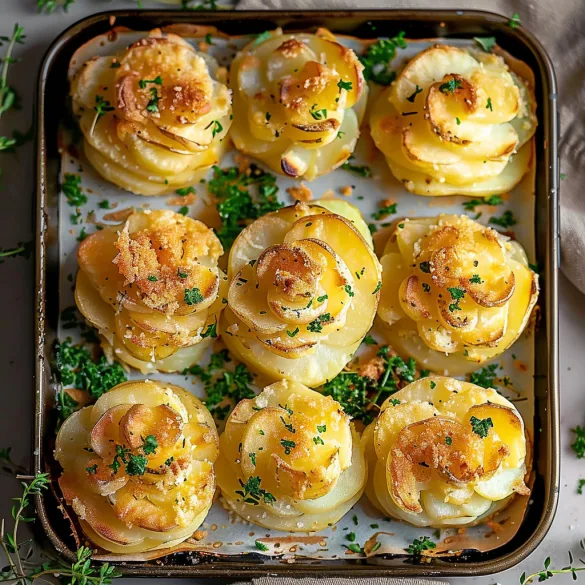
There are some dishes that just feel special, even when they’re surprisingly simple to make. Duchess potatoes fall squarely into that category. These elegant, piped mounds of creamy mashed potatoes, kissed with a touch of richness and baked to a golden brown, are a delightful addition to any meal.
Why This Recipe Works
This recipe for Easy Duchess Potatoes works because it prioritizes simplicity without sacrificing flavor or presentation. We’re focusing on well-loved ingredients and a straightforward method that ensures creamy, flavorful potatoes.
Ingredients
- 2 pounds Russet potatoes (about 3-4 medium), peeled and cut into roughly equal 1-inch chunks
- ½ cup unsalted butter, softened
- 1 large egg yolk
- ¼ cup whole milk or heavy cream, warmed slightly
- ½ teaspoon salt, or to taste
- ¼ teaspoon black pepper, or to taste
- Optional: A pinch of nutmeg, or a sprinkle of paprika for garnish
Gathering your ingredients is the first step to a successful batch of delicious duchess potatoes. Having everything ready to go makes the cooking process much smoother and more enjoyable. I always like to have my butter softened beforehand, as it makes incorporating it into the potatoes so much easier. And don’t forget to warm that milk or cream; it helps create a silkier mash.
How to Make It
- Place the peeled and chunked potatoes in a large pot. Cover them with cold water by about an inch. Add a generous pinch of salt to the water.
- Bring the water to a boil over medium-high heat. Once boiling, reduce the heat to medium and simmer for 15-20 minutes, or until the potatoes are very tender when pierced with a fork. You shouldn’t feel any resistance.
- Drain the potatoes thoroughly in a colander. Return the drained potatoes to the warm, empty pot. Let them sit over low heat for about 1-2 minutes, shaking the pot occasionally. This helps to evaporate any residual moisture, which is crucial for achieving a fluffy mash.
- Mash the potatoes using a potato masher or a ricer until smooth. Avoid over-mashing, especially if using a food processor, as this can make them gummy. A ricer will give you the smoothest texture with the least effort.
- Add the softened butter to the mashed potatoes. Stir until the butter is completely melted and incorporated.
- In a small bowl, whisk together the egg yolk and the warmed milk or cream.
- Gradually add the egg yolk and milk mixture to the mashed potatoes, mixing until well combined and the mixture is smooth and creamy. The consistency should be thick but pipeable. If it seems too stiff, you can add another tablespoon of milk or cream.
- Stir in the salt and pepper to taste. Add a pinch of nutmeg if you like that flavor. I often do this when I’m serving them with something that benefits from a hint of warmth.
- Preheat your oven to 400°F (200°C). Line a baking sheet with parchment paper or a silicone baking mat.
- Spoon the potato mixture into a piping bag fitted with a large star tip (like a Wilton 1M or similar). If you don’t have a piping bag, you can use a sturdy resealable plastic bag with a corner snipped off, or even two spoons to shape mounds.
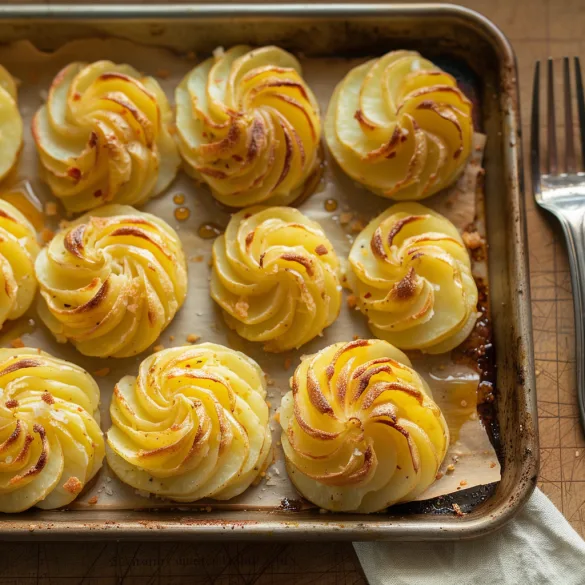
- Pipe the potatoes onto the prepared baking sheet in decorative swirls, mounds, or rosettes. Aim for about 2-3 inches in diameter. Make sure to leave a little space between each one so they don’t merge as they bake.
- If using, lightly sprinkle the tops of the piped potatoes with paprika for a bit of color.
- Bake for 20-25 minutes, or until the edges are golden brown and the tops are lightly browned and set. Keep an eye on them towards the end to prevent burning.
And there you have it! These beautiful duchess potatoes, baked to a golden perfection, are ready to grace your table. Simply out of the oven, they are gorgeously golden and inviting.
Nutrition at a Glance
- Calories: Approximately 300-350 per serving (varies based on exact ingredient amounts and milk/cream used).
- Macronutrients: Rich in carbohydrates from the potatoes, with a notable amount of fat from the butter and egg yolk. Protein content is moderate.
- Vitamins and Minerals: Potatoes are a good source of Vitamin C and potassium. Butter and egg yolk contribute some Vitamin A and other fat-soluble vitamins.
- Serving Size: Typically considered 3-4 piped mounds.
- Dietary Notes: This recipe is vegetarian. It can be made with dairy-free milk alternatives and vegan butter for a plant-based option, though the texture might differ slightly.
How to Serve It
- With Roasted Meats: Their richness and elegant presentation make them a classic pairing with roast beef, lamb, or pork.
- Alongside Poultry: They complement roast chicken or turkey beautifully, adding a touch of sophistication to a holiday meal or a special Sunday dinner.
- For a Lighter Meal: Serve them with a substantial salad and a piece of grilled fish or a flavorful vegetarian entrée.
- As part of a Buffet: Their individual portions, when piped, make them ideal for serving at parties or potlucks.
- Garnish ideas: A sprinkle of fresh chives, parsley, or a tiny sprig of rosemary can add a pop of color and fresh flavor.
These duchess potatoes are incredibly versatile and can elevate almost any main course. Their creamy interior and slightly crisp edges provide a delightful textural contrast, making them a welcome addition to a variety of culinary settings.
Common Mistakes
- Using watery potatoes: Not draining and drying the potatoes thoroughly after boiling can lead to a watery, less flavorful mash. Ensure they are completely dry before mashing for the best results.
- Over-mashing: Overworking the potatoes, especially in a food processor or with a very vigorous mashing technique, can break down the starches and result in a gummy texture. Gentle mashing is key.
- Not softening the butter: Adding cold butter to hot potatoes won’t incorporate as smoothly as softened butter, potentially leaving you with little pockets of unmixed fat.
- Using cold milk/cream: Adding cold liquid can cool down the mashed potatoes too much and make them harder to achieve a smooth consistency. Warming it slightly helps integrate everything better.
- Piping when too hot: If the potato mixture is too hot, it can be difficult to handle and may not hold its shape when piped. Let it cool slightly, but not so much that it becomes stiff.
- Baking at the wrong temperature: Too high a temperature can cause the outsides to burn before the insides are heated through. Too low, and they won’t get that desirable golden-brown crispness.
Avoiding these common pitfalls will significantly improve your success rate when making duchess potatoes. Focusing on the details, like proper draining and gentle handling, makes all the difference in achieving that creamy, smooth, and beautifully baked result.
Storage and Reheating
- Storage: Store any leftover duchess potatoes in an airtight container in the refrigerator for up to 2-3 days. Ensure they have cooled completely before storing.
- Reheating Method 1 (Oven/Toaster Oven): The best way to reheat duchess potatoes is in the oven or toaster oven. Place them on a baking sheet and reheat at around 350°F (175°C) for 10-15 minutes, or until heated through and slightly crisped. This method helps maintain their texture.
- Reheating Method 2 (Microwave – use with caution): While possible, microwaving can sometimes make them soft or a bit gummy. If you do microwave, cover them loosely and reheat in short intervals until warm. You might want to pop them under the broiler for a minute afterward for a little crispness.
- Freezing: It’s generally not recommended to freeze duchess potatoes as the texture can suffer significantly upon thawing. The moisture content can cause them to become watery and lose their pleasant structure.
Proper storage and reheating are essential to enjoy your duchess potatoes even after they’ve been cooked. The oven method is definitely the winner for preserving that delightful texture.
Don’t miss this delicious recipe: Effortless Creamy Ranch Chicken Crock Pot Recipe
Leftover Ideas
- Potato Cakes/Patties: Gently flatten any leftover piped mounds or a larger portion of the mash into patties. Pan-fry them in a little butter or oil until golden brown and crispy on both sides. These make a fantastic breakfast or a light lunch.
- Shepherd’s Pie Topping: If you have a significant amount of duchess potatoes leftover, they can be used as a decadent topping for a shepherd’s pie or cottage pie. Spread them over your meat or vegetable filling and bake until bubbly and golden.
- Thickener for Soups: A small amount of leftover duchess potatoes can be blended into creamy soups to add body and richness, making them even more satisfying.
- Additive to Omelets or Frittatas: Chop up a few spoonfuls of duchess potatoes and fold them into your omelet or frittata mixture for a substantial and creamy addition.
- Stuffed Mushrooms: Mix a little cheese and herbs into the duchess potatoes and use the mixture to stuff mushroom caps before baking.
Don’t let those delicious duchess potatoes go to waste! With a little creativity, they can be transformed into a new and exciting dish, proving their worth beyond just being a side.
PrintEasy Duchess Potatoes
- Total Time: 60 minutes
- Yield: 6 servings 1x
- Diet: Vegetarian
Description
Elegant and creamy duchess potatoes, piped and baked to golden perfection. A simple yet impressive side dish for any occasion.
Ingredients
- 2 pounds Russet potatoes (about 3–4 medium), peeled and cut into roughly equal 1-inch chunks
- ½ cup unsalted butter, softened
- 1 large egg yolk
- ¼ cup whole milk or heavy cream, warmed slightly
- ½ teaspoon salt, or to taste
- ¼ teaspoon black pepper, or to taste
- Optional: A pinch of nutmeg, or a sprinkle of paprika for garnish
Instructions
- 1. Place the peeled and chunked potatoes in a large pot. Cover them with cold water by about an inch. Add a generous pinch of salt to the water.
- 2. Bring the water to a boil over medium-high heat. Once boiling, reduce the heat to medium and simmer for 15-20 minutes, or until the potatoes are very tender when pierced with a fork.
- 3. Drain the potatoes thoroughly in a colander. Return the drained potatoes to the warm, empty pot. Let them sit over low heat for about 1-2 minutes, shaking the pot occasionally, to evaporate residual moisture.
- 4. Mash the potatoes using a potato masher or a ricer until smooth.
- 5. Add the softened butter to the mashed potatoes. Stir until the butter is completely melted and incorporated.
- 6. In a small bowl, whisk together the egg yolk and the warmed milk or cream.
- 7. Gradually add the egg yolk and milk mixture to the mashed potatoes, mixing until well combined and the mixture is smooth and creamy. The consistency should be thick but pipeable.
- 8. Stir in the salt and pepper to taste. Add a pinch of nutmeg if desired.
- 9. Preheat your oven to 400°F (200°C). Line a baking sheet with parchment paper or a silicone baking mat.
- 10. Spoon the potato mixture into a piping bag fitted with a large star tip, or use a sturdy resealable plastic bag with a corner snipped off.
- 11. Pipe the potatoes onto the prepared baking sheet in decorative swirls or mounds, about 2-3 inches in diameter, leaving space between them.
- 12. If using, lightly sprinkle the tops with paprika.
- 13. Bake for 20-25 minutes, or until the edges are golden brown and the tops are lightly browned and set.
Notes
Store any leftover duchess potatoes in an airtight container in the refrigerator for up to 2-3 days. Reheat in a 350°F (175°C) oven for 10-15 minutes until heated through and crisped.
- Prep Time: 20 minutes
- Cook Time: 40 minutes
- Category: Side Dish
- Method: Baked
- Cuisine: American
Nutrition
- Serving Size: 1 serving
- Calories: 320
- Sugar: 2g
- Sodium: 450mg
- Fat: 18g
- Carbohydrates: 35g
- Fiber: 4g
- Protein: 5g