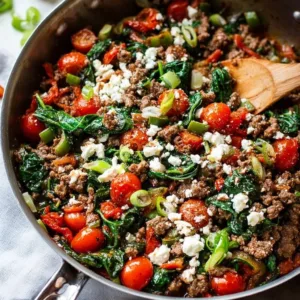
There are those nights when only a warm, comforting bowl of soup will do, and this Creamy Cajun Chicken Soup has become a dependable favorite in my kitchen. It’s rich, flavorful, and comes together with a satisfying ease that makes it perfect for a weeknight meal or a cozy weekend lunch.
Why This Creamy Cajun Chicken Soup Works
This soup hits all the right notes: it’s hearty enough to be a meal, incredibly flavorful without being too spicy for most palates, and the creamy texture is pure comfort.
Ingredients
- 2 tablespoons olive oil
- 1 pound boneless, skinless chicken breasts or thighs, cut into bite-sized pieces
- 1 large yellow onion, chopped
- 2 bell peppers (any color), chopped
- 3 celery ribs, chopped
- 3 cloves garlic, minced
- 1 teaspoon smoked paprika
- 1 teaspoon dried oregano
- 1 teaspoon dried thyme
- 1/2 teaspoon cayenne pepper (or more, to taste)
- 1/4 teaspoon black pepper
- 1/4 teaspoon white pepper (optional, for an extra layer of heat)
- Salt to taste
- 4 cups low-sodium chicken broth
- 1 (14.5 ounce) can diced tomatoes, undrained
- 1 cup half-and-half or heavy cream (for a richer soup)
- 1/4 cup all-purpose flour (or gluten-free alternative)
- 1/2 cup shredded cheddar cheese (optional, for extra creaminess)
- 1/4 cup chopped fresh parsley, for garnish
- Cooked rice or crusty bread, for serving
Gathering these ingredients is the first step toward creating something truly delicious. Having everything prepped and ready to go makes the cooking process smooth and enjoyable, so you can focus on building those wonderful flavors.
Don’t miss this delicious recipe: Creamy Parmesan Cajun Chicken Pasta Soup Recipe
How to Make It
- Heat the olive oil in a large pot or Dutch oven over medium-high heat. Add the chicken pieces and cook until browned on all sides. Remove the chicken from the pot and set aside.
- Add the chopped onion, bell peppers, and celery to the same pot. Cook, stirring occasionally, until softened, about 8-10 minutes.
- Stir in the minced garlic, smoked paprika, oregano, thyme, cayenne pepper, black pepper, and white pepper (if using). Cook for another minute until fragrant.
- Sprinkle the flour over the vegetables and stir well to coat. Cook for 1-2 minutes, stirring constantly, to cook out the raw flour taste. This will help thicken the soup.
- Gradually whisk in the chicken broth, scraping up any browned bits from the bottom of the pot. Bring the mixture to a simmer, stirring frequently.
- Add the undrained diced tomatoes and the cooked chicken back into the pot.
- Reduce the heat to low, cover, and simmer for at least 20-30 minutes, allowing the flavors to meld. For an even deeper flavor, you can simmer for up to an hour.
- Stir in the half-and-half or heavy cream. If you’re using shredded cheddar cheese, stir it in now until melted.
- Taste and adjust seasoning with salt and more cayenne pepper if desired.
- Serve hot, garnished with fresh parsley.
Following these steps will lead you to a pot of deeply satisfying soup, ready to be enjoyed.

Nutrition at a Glance
- Generous source of protein from chicken.
- Rich in vitamins and minerals from bell peppers, onions, and celery.
- The base of broth provides hydration and electrolytes.
- Cream or half-and-half adds richness and a smooth texture.
- Can be made heartier or lighter depending on cream choice and additions.
- The spices offer antioxidants and potential anti-inflammatory properties.
- Flour used for thickening contributes carbohydrates.
- Tomatoes add vitamin C and lycopene.
- Fresh parsley provides a boost of vitamins A and K.
- Serving with rice incorporates complex carbohydrates for sustained energy.
- The overall nutritional profile is balanced, offering a good mix of macronutrients.
- This soup can be a wholesome meal when paired with a side salad or whole-grain bread.
- The sodium content can be managed by using low-sodium broth and controlling added salt.
- Choosing chicken thighs can add a bit more healthy fat and flavor compared to breasts.
- Incorporating a variety of colorful vegetables ensures a wide spectrum of nutrients.
- The cayenne pepper, while adding heat, also contains capsaicin, which has some health benefits.
- For a lower-fat version, opt for skim milk or a lighter dairy alternative instead of cream, though it may affect richness.
- Nutritional values will vary based on specific brands of ingredients and exact quantities used.
- The inclusion of garlic and onions adds allium compounds, known for their health-promoting properties.
- Incorporating a thicker soup base using a roux (flour and fat) is a traditional way to build flavor and texture.
- The cooking process itself helps to break down vegetables, making some nutrients more accessible.
- This soup can be a good option for those looking for a comforting meal that can also be a vehicle for nutrient intake.
- Monitoring portion sizes is key to managing calorie intake and ensuring a balanced meal.
- The fiber content comes primarily from the vegetables used in the soup.
- The presence of dairy, if used, contributes calcium.
- This recipe offers a good foundation that can be adapted to individual dietary needs and preferences.
- The use of whole ingredients means you are getting a more natural and less processed nutritional profile.
- Consider the overall dietary goal when customizing the creaminess or serving accompaniments.
How to Serve It
- Serve hot in large bowls.
- Top with a generous sprinkle of fresh chopped parsley for a burst of color and freshness.
- Accompany with crusty bread for dipping into the rich, creamy broth.
- Serve over a bed of fluffy cooked white or brown rice for a more substantial meal.
- A simple side salad with a light vinaigrette balances the richness of the soup.
- A dollop of sour cream or Greek yogurt can add an extra layer of tanginess and creaminess.
- For those who love extra spice, a few dashes of your favorite hot sauce can be added at the table.
- Shredded cheese, like cheddar or Monterey Jack, can be sprinkled on top for additional flavor and gooeyness.
- A squeeze of fresh lemon juice right before serving can brighten up all the flavors.
- Consider a side of cornbread, especially a slightly sweet variety, to complement the savory notes of the soup.
- It’s a dish that feels complete on its own but is elevated by thoughtful accompaniments.
- The versatility of serving options makes this soup suitable for various occasions, from a casual weeknight dinner to a more festive gathering.
- The key is to enhance the existing flavors without overpowering them, offering textures and tastes that complement the soup’s profile.
- Think about what you’re craving when you serve it – a simple, hearty meal or something a little more refined.
- The garnishes are not just for decoration; they contribute to the overall sensory experience of the dish.
- For a restaurant-style presentation, drizzle a little extra cream or olive oil on top before serving.
- If serving to guests, consider offering a few different condiment options for personalization.
- The chosen serving method can also dictate the overall feel of the meal – casual and comforting with rice, or a bit more elegant with good bread.
- The aroma alone is inviting, so presenting it appealingly only enhances the dining experience.
- Remember that the temperature at which soup is served is crucial; this one is best piping hot.
- The textures of the accompaniments, like the crunch of bread or the fluffiness of rice, play a role in making the meal satisfying.
- A good soup deserves thoughtful serving to maximize its enjoyment.
Common Mistakes
- Overcooking the chicken, making it tough and dry. Remember to cook it in stages – brown it initially, then add it back to simmer gently.
- Not sautéing the aromatics (onions, bell peppers, celery) long enough. This step is crucial for building a deep flavor base.
- Adding the flour for thickening too quickly or without cooking it slightly. This can result in a pasty or raw flour taste in the soup.
- Using low-quality or unseasoned chicken broth. The broth is a significant component of the soup’s flavor, so choose wisely.
- Adding the cream too early or boiling it vigorously. This can cause it to curdle. Stir it in towards the end and heat gently.
- Under-seasoning. Cajun cuisine is known for its bold flavors, so don’t be shy with salt and spices. Taste and adjust as you go.
- Skimping on the vegetables. The variety of vegetables contributes significantly to the soup’s texture and depth of flavor.
- Not allowing sufficient simmering time. While it can be a quick soup, a longer simmer allows the flavors to truly meld and deepen.
- Using too much cayenne pepper if you’re sensitive to heat. Start with a smaller amount and add more to taste.
- Forgetting to taste and adjust seasoning at the end. This is a critical step for ensuring the soup is balanced and delicious.
- Rushing through the roux-making process. The flour mixture needs to cook for a minute or two to eliminate the raw flour taste.
- Adding too much liquid at once when making the broth base. Gradually whisking it in helps create a smoother consistency.
- Not browning the chicken sufficiently. Browning adds a depth of flavor through the Maillard reaction that simply boiling cannot replicate.
- Assuming all cayenne peppers are created equal. Heat levels can vary, so it’s always best to use yours as a guide.
- Over-reliance on just one spice. Cajun seasoning is a blend, and using the individual spices allows for better control and layering of flavors.
- Not cooking down the diced tomatoes enough to release their juices and integrate them into the broth.
- Forgetting about texture. While creamy, it should still have some substance from the vegetables and chicken.
- Serving an un-garnished soup. Fresh herbs and a drizzle of cream can elevate the presentation and taste.
- Using watery vegetables. Ensure your vegetables are fresh and properly chopped.
- Not considering the type of cream used. Heavy cream will yield a richer, thicker soup than half-and-half.
- Making the soup too thick or too thin without a plan. The flour helps create a base thickness, but adjustments can be made with broth or cream.
- Skipping the garlic. Garlic is fundamental to most flavor bases and adds a savory punch.
- Not letting the soup rest for a few minutes after it’s finished cooking. This allows flavors to settle and marry.
- Serving at the wrong temperature. This soup is best enjoyed hot, but not scalding hot.
- Forgetting the acidic balance. Sometimes a squeeze of lemon can lift heavy flavors.
Storage and Reheating
- Allow the soup to cool completely before storing.
- Transfer cooled soup to an airtight container. It can also be stored in the pot it was made in, covered tightly.
- Store in the refrigerator for up to 3-4 days.
- For longer storage, freeze the soup in portion-sized freezer-safe containers or bags. Ensure there’s a little headspace for expansion during freezing. Frozen soup is best consumed within 2-3 months for optimal quality.
- When reheating, if the soup has thickened significantly, you can thin it out with a little extra chicken broth or milk/cream.
- Reheat gently on the stovetop over low heat, stirring occasionally, until heated through. Avoid boiling vigorously, especially if cream has been added, to prevent curdling.
- Alternatively, reheat individual portions in the microwave at 50% power, stirring every minute or so until hot.
- If reheating from frozen, thaw overnight in the refrigerator before reheating on the stovetop.
- Do not reheat the soup more than once to maintain quality and safety.
- The flavors will often meld and deepen further after a day in the refrigerator, making leftovers delicious.
- Check for any signs of spoilage before reheating and consuming, such as off odors or mold.
- Proper cooling before refrigeration or freezing is essential for food safety and to prevent condensation that can affect texture.
- When freezing, consider separating out any garnishes like fresh parsley, which are best added after reheating.
- If you made a very large batch, it’s wise to store it in several smaller containers for easier thawing and reheating.
- The texture of dairy-based soups can sometimes change slightly after freezing and thawing, but this soup generally holds up well.
- A very slow and gentle reheat is the key to preserving the creamy texture.
- Enjoying this soup again the next day is often just as rewarding as the first serving.
Leftover Ideas
- Use the leftover soup as a sauce. Thicken it slightly if needed and serve over cooked pasta, rice, or even mashed potatoes. The creamy, savory flavor makes a great binder for these dishes.
- Transform it into a chicken pot pie filling. If the soup is very thick, you might need to add a little more broth. Pour into a pie crust, top with another crust, and bake until golden.
- Make a quick and flavorful sandwich filling. Shred or dice the chicken from the soup, mix with a little of the thickened broth, and serve on toasted bread or in wraps.
- Use it as a base for a new soup. Add extra vegetables, grains like barley or quinoa, or even other cooked meats to create a completely different but equally delicious soup.
- Serve it with dumplings. Prepare simple drop biscuits or savory dumplings and cook them directly in the simmering soup.
- Create a creamy chicken skillet dish. Sauté some additional vegetables, add the leftover soup, and serve over noodles or rice.
- The rich broth is a fantastic flavor enhancer for cooking grains like rice or quinoa. Use it instead of water or regular broth.
- If the soup has separate chicken pieces, you can easily remove them and add them to a casserole or salad for a protein boost.
- For a lighter option, thin the soup down with more broth or water and strain out the solids to create a very flavorful soup base for other dishes.
- The concentrated flavor profile of the leftover soup can be a secret weapon for adding depth to other recipes.
- Think of it as a flavor-packed foundation that can be built upon.
- The key is to evaluate what you have and how you can best repurpose those delicious flavors.
- Don’t be afraid to experiment with adding different ingredients to create entirely new meals.
- The creamy texture lends itself well to dishes that benefit from a rich sauce.
- Even if you don’t have a lot of leftovers, a small amount can add a wonderful savory note to a quick lunch or light dinner.
- Consider the possibilities for expanding on the existing flavor profile with new additions.
- The goal is to avoid waste and maximize the enjoyment of this flavorful soup.
To wrap it all up, these versatile leftover ideas make it easy to turn one comforting soup into multiple delicious meals, helping you save time, reduce waste, and enjoy every last bit of its rich, savory flavor.
PrintHow to Make Creamy Cajun Chicken Soup – Maebells
- Total Time: 1 hour 5 minutes
- Yield: 6 servings 1x
Description
A comforting and flavorful Creamy Cajun Chicken Soup recipe inspired by Maebells. Easy to make with tender chicken, vegetables, and a rich, creamy broth seasoned with Cajun spices. Perfect for weeknight dinners or cozy lunches. Serve with rice or crusty bread.
Ingredients
- 2 tablespoons olive oil
- 1 pound boneless, skinless chicken breasts or thighs, cut into bite-sized pieces
- 1 large yellow onion, chopped
- 2 bell peppers (any color), chopped
- 3 celery ribs, chopped
- 3 cloves garlic, minced
- 1 teaspoon smoked paprika
- 1 teaspoon dried oregano
- 1 teaspoon dried thyme
- 1/2 teaspoon cayenne pepper (or more, to taste)
- 1/4 teaspoon black pepper
- 1/4 teaspoon white pepper (optional)
- Salt to taste
- 4 cups low-sodium chicken broth
- 1 (14.5 ounce) can diced tomatoes, undrained
- 1 cup half-and-half or heavy cream
- 1/4 cup all-purpose flour
- 1/2 cup shredded cheddar cheese (optional)
- 1/4 cup chopped fresh parsley, for garnish
- Cooked rice or crusty bread, for serving
Instructions
- 1. Heat olive oil in a large pot or Dutch oven over medium-high heat. Add chicken and cook until browned; remove and set aside.
- 2. Add onion, bell peppers, and celery to the pot; cook until softened, about 8-10 minutes.
- 3. Stir in garlic, smoked paprika, oregano, thyme, cayenne pepper, black pepper, and white pepper. Cook for 1 minute until fragrant.
- 4. Sprinkle flour over vegetables and stir to coat; cook for 1-2 minutes.
- 5. Gradually whisk in chicken broth, scraping up browned bits. Bring to a simmer, stirring.
- 6. Add diced tomatoes (undrained) and cooked chicken.
- 7. Reduce heat to low, cover, and simmer for 20-30 minutes (or longer for deeper flavor).
- 8. Stir in half-and-half or heavy cream and shredded cheese (if using) until melted.
- 9. Taste and adjust seasoning with salt and cayenne.
- 10. Serve hot, garnished with fresh parsley.
Notes
Allow soup to cool completely before storing in an airtight container in the refrigerator for up to 3-4 days. For longer storage, freeze in portion-sized containers for up to 2-3 months. Reheat gently on the stovetop or in the microwave, thinning with broth or dairy if needed. Avoid vigorous boiling.
- Prep Time: 20 minutes
- Cook Time: 45 minutes
- Category: Soup
- Method: Stovetop
- Cuisine: American
Nutrition
- Serving Size: 1 serving
- Calories: Approximately 450-550 (will vary based on cream choice and additions)
- Sugar: Approximately 5-8g
- Sodium: Will vary based on broth and added salt
- Fat: Approximately 20-30g
- Carbohydrates: Approximately 25-35g
- Fiber: Approximately 3-5g
- Protein: Approximately 30-35g