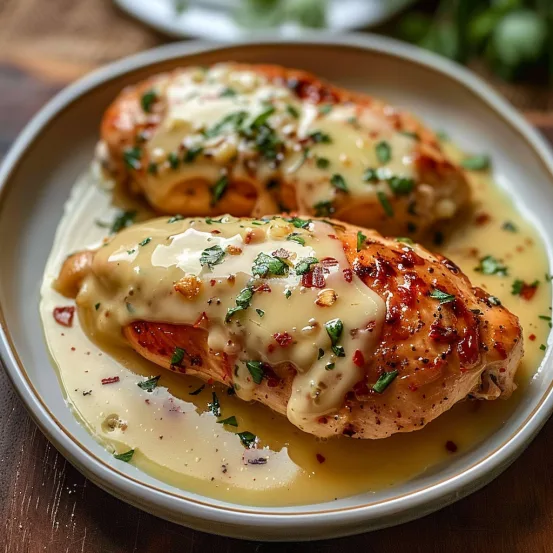
There’s something truly special about chicken that just melts in your mouth. It’s a texture that transforms a simple weeknight meal into something comforting and satisfying, without a lot of fuss. This recipe has become a staple in my kitchen for exactly that reason.
Why This Melt in Your Mouth Chicken Works
This chicken preparation achieves its tender, succulent texture through a combination of a flavorful marinade and gentle cooking.
Ingredients
- 1.5 pounds boneless, skinless chicken thighs (about 4-6 thighs)
- 1/4 cup olive oil
- 1/4 cup soy sauce (or tamari for gluten-free)
- 2 tablespoons honey (or maple syrup for a refined sugar-free option)
- 2 cloves garlic, minced
- 1 teaspoon grated fresh ginger
- 1 teaspoon cornstarch (or arrowroot starch)
- 1/2 teaspoon onion powder
- 1/4 teaspoon black pepper
- Pinch of red pepper flakes (optional, for a little warmth)
- Fresh parsley, chopped, for garnish (optional)
- Sesame seeds, toasted, for garnish (optional)
Gathering these components is the first step toward creating this delightful chicken dish. Each element plays a role in building the flavor and achieving the desired texture.
How to Make It
- Prepare the Marinade: In a medium bowl, whisk together the olive oil, soy sauce, honey, minced garlic, grated ginger, cornstarch, onion powder, black pepper, and red pepper flakes (if using).
- Marinate the Chicken: Trim any excess fat from the chicken thighs, though it’s beneficial to leave a moderate amount for flavor and moisture.
- Cook the Chicken: Heat a large skillet or cast-iron pan over medium-high heat. Once hot, carefully place the marinated chicken thighs in the skillet, discarding any excess marinade unless you plan to make a quick pan sauce.
- Simmer and Tenderize: Once both sides of the chicken have a nice golden-brown sear, reduce the heat to medium-low.
- Rest the Chicken: Once cooked, remove the chicken from the skillet and let it rest on a cutting board for 5-10 minutes.
- Slice and Serve: Slice the chicken against the grain. You’ll notice how easily it cuts – a testament to its tender state.
Follow these steps, and you’ll have a batch of wonderfully tender chicken ready to impress.
Nutrition at a Glance
- Protein: Chicken is an excellent source of lean protein, which is vital for muscle building, repair, and overall bodily function. Each serving provides a substantial amount of quality protein.
- Healthy Fats: The olive oil used in the marinade contributes heart-healthy monounsaturated fats. While chicken thighs do contain fat, much of it renders out during cooking, leaving you with moist and flavorful meat.
- Vitamins and Minerals: Depending on the specific ingredients and quantities used, this dish can provide B vitamins (like niacin and B6), selenium, and phosphorus, which are essential for energy metabolism and various bodily processes.
- Carbohydrate Content: The recipe is naturally low in carbohydrates, especially when served with low-carb sides like cauliflower rice or steamed vegetables.
- Sodium Management: The soy sauce component contributes to the sodium content. For those mindful of sodium intake, opting for low-sodium soy sauce or tamari is a simple and effective adjustment.
Don’t miss this delicious recipe: Quick & Easy Thai Curry Chicken Soup Recipe | Flavorful & Fast
How to Serve It
- Over Rice: Serve it atop steamed white rice, brown rice, or even fluffy quinoa for a complete and satisfying meal.
- With Roasted Vegetables: A side of roasted broccoli, asparagus, bell peppers, or Brussels sprouts provides a colorful and nutrient-dense accompaniment.
- In Salads: Once cooled, slice the chicken and add it to a crisp green salad. It’s a fantastic way to elevate a simple salad into a hearty and filling main course.
- With Noodles: Toss with your favorite noodles, such as soba, udon, or even spaghetti, along with someautéed vegetables for a quick and delicious stir-fry-style dish.
- Alongside Mashed Potatoes or Sweet Potatoes: The tender chicken is also wonderful served with creamy mashed potatoes or naturally sweet mashed sweet potatoes.
The simplicity of the chicken allows it to complement many different flavors and textures, making it a go-to option for busy cooks.
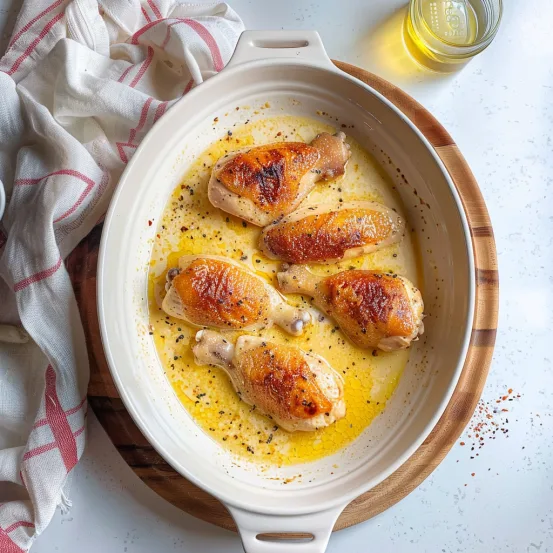
Common Mistakes
- Overcrowding the Pan: This is a frequent culprit for less-than-tender chicken.
- Cooking on Too High Heat for Too Long: While a good sear is crucial for flavor, prolonged high heat cooking after the initial sear can quickly dry out the chicken, negating the tenderizing efforts of the marinade and the gentle simmering.
- Not Marinating Long Enough: The marinade is essential for both flavor development and tenderizing the chicken. Skipping this step or rushing it means you won’t achieve that signature “melt in your mouth” texture, and the underlying flavor will be less complex and satisfying.
- Not Resting the Chicken: Similar to a perfectly cooked steak, letting the chicken rest for a few minutes after cooking allows the juices to redistribute throughout the meat.
- Using Chicken Breasts Instead of Thighs: While it’s possible to adapt this recipe for chicken breasts, thighs are inherently more forgiving due to their higher fat content.
Avoiding these common mistakes will significantly increase your chances of producing perfectly tender and flavorful chicken every time you make this dish. Attention to detail in these steps makes all the difference.
Storage and Reheating
- Storage: Once the chicken has cooled completely to room temperature, transfer it to an airtight container. Store in the refrigerator for up to 3 days.
- Reheating: The best way to reheat this chicken to preserve its tender, melt-in-your-mouth texture is gently and with moisture.
- Stovetop Method: Place the leftover chicken in a skillet over low heat. Add a tablespoon or two of water, chicken broth, or even a splash of the original marinade (if you have any saved).
- Oven Method: For larger batches, preheat your oven to 300°F (150°C). Place the chicken in an oven-safe dish and cover it tightly with aluminum foil. Bake for 10-15 minutes, or until heated through.
- Microwave Caution: While convenient, microwaving can sometimes make chicken rubbery or dry.
By employing gentle reheating methods, you can enjoy your melt-in-your-mouth chicken leftovers almost as much as when they were freshly made.
Leftover Ideas
- Chicken Salad Sandwiches: Chop the cold chicken and mix it with mayonnaise, finely diced celery, red onion, a touch of Dijon mustard, salt, and pepper for a quick and classic chicken salad.
- Chicken Tacos or Burrito Bowls: Shred or dice the chicken and use it as a protein-rich filling for tacos, fajitas, or burrito bowls.
- Stir-Fry Addition: Cube the chicken and add it to a vegetable stir-fry during the last few minutes of cooking.
- Pasta Dishes: Toss the sliced or diced chicken into your favorite pasta dishes.
- Quesadillas: Layer chopped chicken with shredded cheese (cheddar, Monterey Jack, or a Mexican blend), black beans, and corn between two tortillas.
- Hearty Salads: Slice or dice the chicken and add it to a green salad for a substantial lunch or light dinner
- Chicken and Rice Soup: Dice the leftover chicken and add it to a comforting chicken and rice soup. The tender chicken will add extra body and flavor to the broth.
These ideas offer creative and practical ways to enjoy the tender chicken throughout the week, making meal preparation efficient and delicious.
PrintMelt in Your Mouth Chicken Recipe
- Total Time: 1 hour 5 minutes
- Yield: 4 servings 1x
Description
This easy Melt in Your Mouth Chicken Recipe uses simple ingredients and a quick marinating process to create incredibly tender and flavorful chicken thighs. Perfect for weeknight dinners!
Ingredients
- 1.5 pounds boneless, skinless chicken thighs (about 4–6 thighs)
- 1/4 cup olive oil
- 1/4 cup soy sauce (or tamari for gluten-free)
- 2 tablespoons honey (or maple syrup for a refined sugar-free option)
- 2 cloves garlic, minced
- 1 teaspoon grated fresh ginger
- 1 teaspoon cornstarch (or arrowroot starch)
- 1/2 teaspoon onion powder
- 1/4 teaspoon black pepper
- Pinch of red pepper flakes (optional, for a little warmth)
- Fresh parsley, chopped, for garnish (optional)
- Sesame seeds, toasted, for garnish (optional)
Instructions
- 1. Prepare the Marinade: In a medium bowl, whisk together the olive oil, soy sauce, honey, minced garlic, grated ginger, cornstarch, onion powder, black pepper, and red pepper flakes (if using).
- 2. Marinate the Chicken: Trim any excess fat from the chicken thighs. Add the chicken thighs to the marinade and toss to ensure they are evenly coated. Cover the bowl and refrigerate for at least 30 minutes, or up to 4 hours.
- 3. Cook the Chicken: Heat a large skillet or cast-iron pan over medium-high heat. Once hot, carefully place the marinated chicken thighs in the skillet. Cook in batches if necessary to avoid overcrowding. Sear each side for 3-4 minutes until golden brown.
- 4. Simmer and Tenderize: Reduce the heat to medium-low. If the pan seems dry, add a tablespoon of water or chicken broth. Cover the skillet and let the chicken simmer gently for 10-15 minutes, or until cooked through and exceptionally tender.
- 5. Rest the Chicken: Once cooked, remove the chicken from the skillet and let it rest on a cutting board for 5-10 minutes.
- 6. Slice and Serve: Slice the chicken against the grain and garnish with fresh parsley and toasted sesame seeds, if desired.
Notes
Store leftover chicken in an airtight container in the refrigerator for up to 3 days. Reheat gently on the stovetop with a splash of liquid or in the oven at a low temperature to maintain tenderness.
- Prep Time: 15 minutes + 30 minutes marinating
- Cook Time: 20 minutes
- Category: Main Course
- Method: Stovetop
- Cuisine: American
Nutrition
- Serving Size: 1 serving
- Calories: Approximately 300-350 per serving (varies with exact ingredients)
- Sugar: Approximately 8-12g
- Sodium: Approximately 600-800mg (can be reduced with low-sodium soy sauce)
- Fat: Approximately 15-20g
- Carbohydrates: Approximately 10-15g
- Fiber: Less than 1g
- Protein: Approximately 25-30g