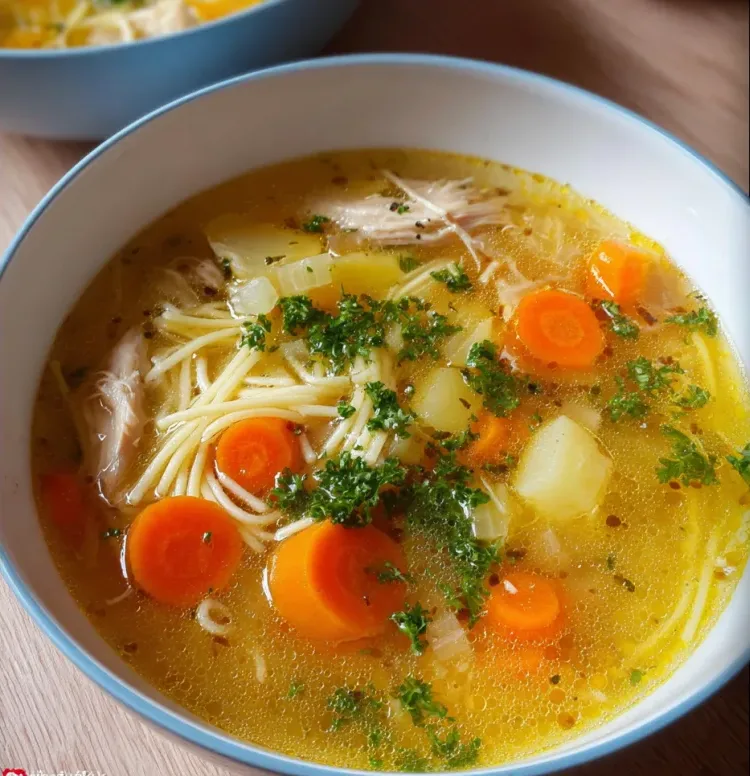
This Rosół recipe is a cornerstone of Polish cuisine, a comforting and nourishing soup that warms the soul. It’s a dish I grew up with, the aroma filling our kitchen on Sundays and special occasions, and it’s a recipe I’ve continued to make for my own family.
Why This Rosół Works
This Rosół recipe is a cornerstone because it prioritizes slow, patient cooking to extract the maximum flavor from simple, accessible ingredients.
Ingredients
- 1 whole chicken (about 3-4 pounds), or chicken parts with bones (e.g., backs, necks, wings, thighs. Using a whole chicken yields the most well-rounded flavor.
- 2-3 large carrots, peeled and roughly chopped (About 1.5 cups chopped. I prefer organic carrots for their vibrant color and sweetness.
- 1-2 parsnips, peeled and roughly chopped (optional, but adds a lovely sweetness) (About 1 cup chopped.
- 1 large celery stalk, roughly chopped (use the leafy tops too – they’re full of flavor) (About 1 cup chopped celery, including the lower leaves.
- 1 large yellow onion, halved or quartered (leave the skin on for color and flavor – just wash it well) (A medium-yellow onion works best.
- 2-3 cloves garlic, smashed (no need to peel) (Smashing the garlic cloves releases their aromatic oils.
- 1 tablespoon whole black peppercorns (These contribute a mild, warming spice without making the soup hot. I
- 2-3 bay leaves (Bay leaves are essential for that classic aromatic profile in broths and stews.
- A few sprigs of fresh parsley (stems are great for broth) (The stems are particularly rich in flavor and add a lovely fresh, green undertone.
- A few sprigs of fresh dill (stems are also good here) (Dill provides a distinct, fresh, slightly anise-like aroma that is characteristic of Polish cuisine.
- About 10-12 cups cold water (enough to generously cover the chicken and vegetables) (Starting with cold water is important for a clearer broth, as it allows impurities to rise to the surface slowly as the water heats up.
- Salt, to taste (Crucial for bringing out all the flavors. I always add it towards the end of cooking to avoid over-salting, as the broth reduces.)
- Optional for serving: cooked noodles (thin egg noodles are traditional), fresh dill and parsley, cooked chicken meat, hard-boiled egg yolks.
How to Make It
- Rinse the chicken: If you’re using a whole chicken, remove any giblets from the cavity (you can save these for another use or add them to the pot if you like extra flavor).
- Add aromatics and water: Add the chopped carrots, parsnips (if using), celery, onion halves, smashed garlic, black peppercorns, bay leaves, and parsley and dill sprigs to the pot.
- Bring to a boil, then simmer: Place the pot over high heat and bring it to a rolling boil. As soon as it boils, reduce the heat to low, so that the soup is barely simmering.
- Skim the impurities: This is a crucial step for a clear broth. As the soup heats up and begins to simmer, foam and impurities will rise to the surface.
- Simmer and develop flavor: Cover the pot loosely, leaving a small gap for steam to escape.
- Strain the broth: Once the simmering is complete, carefully remove the chicken and large vegetable pieces from the pot using a slotted spoon.
- Prepare the chicken for serving: Once the chicken is cool enough to handle, pick off the meat from the bones.
- Season and finish: Return the strained broth to a gentle simmer. Season generously with salt to taste.
- Final taste and adjustment: Give the soup a final taste and adjust the salt and pepper as needed. The broth should be savory and fragrant.
This slow simmer is where the magic truly happens. Resist the urge to rush this step.
Nutrition at a Glance
- Calories: Relatively low, especially if fat is skimmed, making it a lighter option.
- Protein: Good source from the chicken; contributes to muscle repair and satiety. A serving can provide 15-25g of protein.
- Collagen/Gelatin: From the chicken bones, which can be beneficial for joint health, skin, and gut health.
- Hydration: Rich in fluids, essential for overall bodily function and recovery. Essential for maintaining electrolyte balance.
- Minerals: Contains trace minerals from the bones and vegetables, such as potassium, phosphorus, and magnesium.
- Vitamins: The vegetables contribute small amounts of vitamins, though they are primarily cooked out into the broth.
- Electrolytes: Contains sodium and potassium, which help maintain fluid balance. This is especially beneficial after illness or strenuous activity.
It’s important to note that while Rosół is nutrient-dense, it’s not typically a calorie-dense meal on its own, especially if served without pasta or large amounts of meat.
How to Serve It
- With Noodles: The most classic accompaniment is thin, delicate egg noodles, often cooked separately and added to individual bowls just before serving.
- Garnished with Fresh Herbs: A generous sprinkle of freshly chopped dill and parsley is practically mandatory.
- With Cooked Chicken Meat: Ladle the hot broth into bowls, then add a portion of the tender, cooked chicken meat that was simmered in the soup.
- As a First Course: Rosół is often served as the starter to a larger meal, a prelude that awakens the palate and prepares you for what’s to come.
- With a Side of Bread: A crusty piece of bread for dipping is always welcome at my table when serving Rosół.
- For the Sick or Recuperating: This is a go-to for anyone feeling unwell. Its light, nourishing nature makes it easily digestible and comforting, offering gentle sustenance.
Serving Rosół is about more than just putting food in a bowl; it’s about offering warmth and care.
Common Mistakes
- Using Too High Heat: Boiling the soup vigorously instead of simmering gently will cloud the broth and can make the meat tough.
- Not Skimming: Skipping the skimming process will result in a cloudy broth and a less refined flavor.
- Overcrowding the Pot: Packing the pot too tightly with chicken and vegetables can hinder even cooking and flavor extraction.
- Adding Water Too Soon or Too Hot: Starting with cold water allows flavors to be released gradually.
- Using Only Lean Cuts: While you want some meat, relying solely on lean chicken breast won’t yield a rich, gelatinous broth.
- Adding Salt Too Early: It’s best to season with salt towards the end of cooking.
- Overcooking Noodles in the Broth: If you’re cooking noodles directly in the soup, be mindful of their cooking time.
I’ve definitely been guilty of the “too high heat” mistake in my earlier days, convinced faster was better.
Don’t miss this delicious recipe: Easy Vegetable Soup Recipe
Storage and Reheating
- Refrigeration: Once cooled, store the Rosół in airtight containers in the refrigerator for up to 3-4 days. If you made a large batch, you can also freeze portions for longer storage.
- Freezing: Rosół freezes very well.
- Skimming Fat Before Storing: For a less oily soup, you can skim off excess fat from the cooled broth before refrigerating or freezing.nal but recommended if you prefer a lighter soup.
- Reheating on the Stovetop: The best way to reheat Rosół is gently on the stovetop over medium-low heat.
- Reheating Noodles: If you made noodles separate from the broth, reheat them gently or cook fresh ones when you reheat the soup.
One of the greatest joys for me is opening the fridge and knowing there’s a container of homemade Rosół waiting.
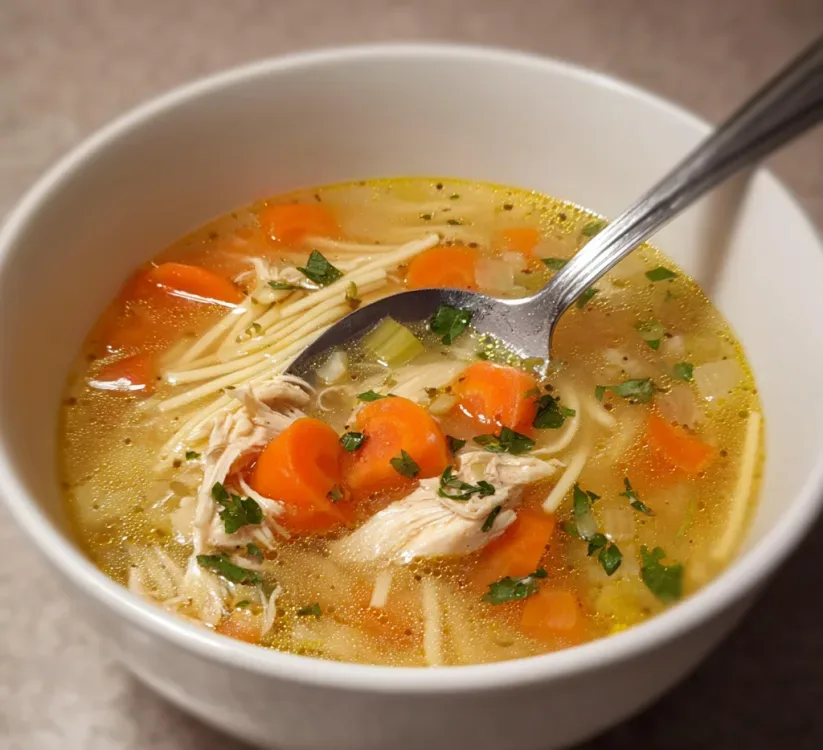
Leftover Ideas
- Chicken and Noodle Soup Reinvented: Reheat the Rosół, add fresh cooked noodles, a sprinkle of fresh herbs.
- Base for Other Soups: Use the rich broth as a starting point for other soups. Add dumplings, different vegetables like cabbage or potatoes, or even grains like barley or rice for a hearty stew.
- Cooking Grains: Cook rice, barley, or even quinoa in Rosół instead of water for incredibly flavorful grains that can be served as a side dish or incorporated into other recipes.
- Poaching Chicken: If you have leftover broth but not much chicken meat, you can poach new chicken breasts or thighs in the flavorful Rosół for tender, infused chicken to use in salads or sandwiches.
- Risotto Base: Substitute the water or stock in your favorite risotto recipe with Rosół for an intensely flavorful and comforting risotto.
- Sauces and Gravies: Reduce the broth to create a concentrated, flavorful base for pan sauces, gravies, or even braising liquids for other meats.
When I have leftover Rosół, my mind immediately goes to how I can use that intensely flavored broth for something new. It’s the easiest way to add a layer of savory goodness to dishes without much extra effort.
PrintRosół – Traditional Polish Chicken Noodle Soup Recipe
- Total Time: 4 hours 20 minutes
- Yield: 8–10 servings 1x
Description
Learn how to make Rosół, the classic Polish chicken noodle soup. This comforting, deeply flavorful broth is made with whole chicken, aromatic vegetables, and slow simmering for that authentic taste of home.
Ingredients
- 1 whole chicken (about 3–4 pounds), or chicken parts with bones
- 2–3 large carrots, peeled and roughly chopped
- 1–2 parsnips, peeled and roughly chopped (optional)
- 1 large celery stalk, roughly chopped (use the leafy tops too)
- 1 large yellow onion, halved or quartered (leave the skin on)
- 2–3 cloves garlic, smashed
- 1 tablespoon whole black peppercorns
- 2–3 bay leaves
- A few sprigs of fresh parsley (stems are great for broth)
- A few sprigs of fresh dill (stems are also good here)
- About 10–12 cups cold water
- Salt, to taste
- Optional for serving: cooked noodles (thin egg noodles are traditional), fresh dill and parsley, cooked chicken meat, hard-boiled egg yolks
Instructions
- 1. Rinse the chicken and place it in a large stockpot. Add chopped carrots, parsnips (if using), celery, onion halves, smashed garlic, peppercorns, bay leaves, parsley, and dill sprigs. Pour in cold water to cover by at least an inch.
- 2. Bring the pot to a rolling boil over high heat, then immediately reduce heat to low for a gentle simmer.
- 3. Skim off foam and impurities that rise to the surface periodically for the first hour to ensure a clear broth.
- 4. Cover loosely and simmer gently for at least 3-4 hours, or up to 6 hours, until the chicken is very tender.
- 5. Carefully remove chicken and vegetables. Discard cooked-out vegetables and aromatics. Strain the broth through a fine-mesh sieve into a clean pot.
- 6. Once the chicken is cool enough to handle, pick off the meat from the bones, discarding bones and skin. Shred or dice the meat.
- 7. Return the strained broth to a gentle simmer. Season generously with salt to taste. Add the shredded chicken meat back into the broth.
- 8. If adding noodles, cook them separately until al dente, then drain and add to bowls. Serve the hot Rosół garnished with fresh dill and parsley.
Notes
Store cooled Rosół in an airtight container in the refrigerator for up to 3-4 days. Rosół also freezes very well in freezer-safe containers for up to 3-4 months. Skim off solidified fat from the top before reheating for a lighter soup. Reheat gently on the stovetop over medium-low heat until heated through; avoid vigorous boiling.
- Prep Time: 20 minutes
- Cook Time: 4 hours
- Category: Soup
- Method: Simmering
- Cuisine: Polish
Nutrition
- Serving Size: 1 1/2 cups
- Calories: 150
- Sugar: 2g
- Sodium: 500mg
- Fat: 6g
- Carbohydrates: 4g
- Fiber: 1g
- Protein: 18g