I turn to this Butternut Squash Pasta Sauce when I need a creamy yet nutritious topping for pasta that doesn’t require hours of prep. The transformation from frozen squash and fresh ingredients baked to perfection creates a smooth and flavorful sauce, perfect for coating your favorite noodles. It’s ideal for a busy Tuesday evening when you want to put a nutritious meal on the table without the stress of complicated steps.
What Makes This Butternut Squash Pasta Sauce Reliable
One vital technique is baking the vegetables before blending. Skipping this step could result in a less developed flavor profile. The use of frozen diced butternut squash simplifies the process, yielding a creamy texture without the need for heavy cream. This sauce comes out silky and thick enough to coat your pasta beautifully, making it a standout dish.
Ingredients
- 16 oz bag of frozen diced butternut squash
- 1.5 cups fresh chopped tomatoes
- 1/2 yellow onion, sliced
- 2 tbsp olive oil
- 1 tsp salt
- 1/4 tsp black pepper
- 1/2 tsp dried thyme
- 1 lb pasta
- 1/3 cup pasta water reserved from cooked pasta
All ingredients work together to create a balanced sauce that is both nutritious and flavorful.
How To Make It
- Preheat oven to 450°F and line a baking sheet with parchment paper.
- Place frozen cubed butternut squash, chopped tomatoes, and sliced onion on the baking sheet.
- Drizzle olive oil on top and season with salt, pepper, and thyme.
- Mix to cover the vegetables evenly with oil and seasonings.
- Bake at 450°F for 20 minutes, until roasted and fragrant.
- While the veggies bake, cook the pasta according to package instructions.
- Before you drain the cooked pasta, reserve 1/3 cup of the pasta water in a bowl.
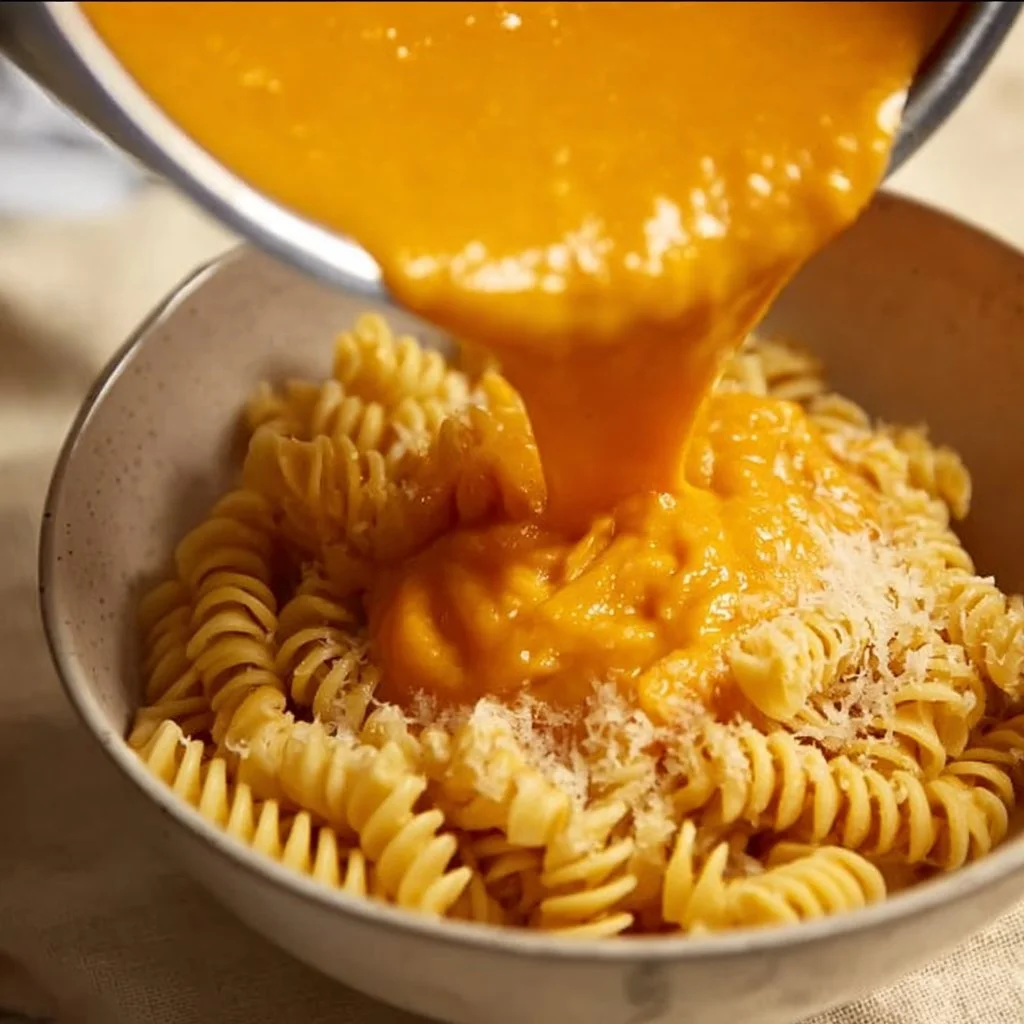
- Blend the hot roasted veggies with the reserved pasta water until a smooth sauce forms.
- Pour the sauce over the cooked pasta and toss to coat.
- Serve immediately, topped with parmesan cheese or plant-based parm.
This method combines simple steps that result in a flavorful sauce ready in under an hour.
Quick Substitutions
- Frozen diced butternut squash → Fresh butternut squash: Roast the fresh squash until soft for more texture.
- Fresh chopped tomatoes → Canned diced tomatoes: This will give a slightly different flavor but retains moisture.
- Yellow onion → Shallots: Offers a milder taste that complements the sauce nicely.
- Olive oil → Avocado oil: Slightly different flavor, but yields a similar texture with a higher smoke point.
- Pasta → Whole wheat or gluten-free pasta: Provides a different nutritional profile and texture.
These substitutions allow for flexibility while still keeping the integrity of the dish.
Tips Before You Start
Before diving into the recipe, make sure to check the doneness of the veggies after they bake; they should be tender but not mushy. It’s essential to reserve that pasta water; it helps emulsify the sauce and keeps everything creamy. If you prefer a chunky texture, reserve some of the roasted veggies before blending to fold in later. And don’t skip seasoning; the balance of flavors is what makes this sauce stand out. Occasionally, I find that adjusting salt levels after blending can elevate the dish even further.
Common Mistakes to Avoid
- Skipping roasting the vegetables: This leads to a sauce that lacks depth. Always bake them for optimal flavor.
- Not reserving pasta water: This forgotten step can make your sauce too thick; always save some.
- Blending too long: Over-blending can turn your sauce too watery. Blend just enough for a smooth texture.
Being aware of these issues will help you create a more flavorful dish.
Nutrition At A Glance
- Serving size: 1 cup pasta with sauce
- Calories: approximately 350
- Protein: 10g
- Carbohydrates: 55g
- Fat: 10g
- Fiber: 5g
The nutritional information highlights how this dish can fit into a balanced meal.
Serving Ideas
- Grated parmesan cheese: Adds a savory kick that complements the sauce wonderfully.
- Fresh basil: A handful of this herb brightens the dish and enhances its freshness.
- Red pepper flakes: For those who like a bit of heat, sprinkle these on top before serving for extra flair.
- Roasted pine nuts: These add a nice crunch and nutty flavor that contrasts well with the smooth sauce.
Adding these elements can transform your meal into something special.
Storage and Reheating
- Fridge: Store leftovers in an airtight container for up to 3 days.
- Freezer: Freeze in a safe container for up to 3 months; the texture may change slightly after thawing.
- Reheating: Reheat on the stovetop over medium-low heat, adding a splash of water to regain creaminess for about 10–15 minutes.
The sauce often tastes even better the next day as the flavors meld beautifully.
Leftover Ideas
Transform leftover sauce into a delicious soup by adding vegetable broth and your choice of greens. Alternatively, mix with cooked grains like quinoa or rice to create a nutritious grain bowl topped with proteins. You can even use it as a spread in a grilled cheese sandwich for a savory twist.
Conclusion
Now you understand how roasting enhances flavors in this Butternut Squash Pasta Sauce. For a delightful variation, consider introducing sage or nutmeg to the sauce for an autumn twist. Creating a nutritious meal that combines convenience and flavor makes this worth making soon.
Don’t forget, you can also explore other related dishes such as a high-protein breakfast casserole with butternut squash for a satisfying alternative.
Print
Butternut Squash Pasta Sauce
- Total Time: 40 minutes
- Yield: 4 servings 1x
- Diet: Vegetarian
Description
A creamy and nutritious butternut squash sauce perfect for coating your favorite pasta noodles.
Ingredients
- 16 oz bag of frozen diced butternut squash
- 1.5 cups fresh chopped tomatoes
- 1/2 yellow onion, sliced
- 2 tbsp olive oil
- 1 tsp salt
- 1/4 tsp black pepper
- 1/2 tsp dried thyme
- 1 lb pasta
- 1/3 cup pasta water reserved from cooked pasta
Instructions
- Preheat oven to 450°F and line a baking sheet with parchment paper.
- Place frozen cubed butternut squash, chopped tomatoes, and sliced onion on the baking sheet.
- Drizzle olive oil on top and season with salt, pepper, and thyme.
- Mix to cover the vegetables evenly with oil and seasonings.
- Bake at 450°F for 20 minutes, until roasted and fragrant.
- While the veggies bake, cook the pasta according to package instructions.
- Before you drain the cooked pasta, reserve 1/3 cup of the pasta water in a bowl.
- Blend the hot roasted veggies with the reserved pasta water until a smooth sauce forms.
- Pour the sauce over the cooked pasta and toss to coat.
- Serve immediately, topped with parmesan cheese or plant-based parm.
Notes
Check the doneness of the veggies after baking; they should be tender but not mushy. It’s essential to reserve pasta water for the sauce’s creaminess.
- Prep Time: 10 minutes
- Cook Time: 30 minutes
- Category: Main Course
- Method: Baking
- Cuisine: Italian
Nutrition
- Serving Size: 1 cup pasta with sauce
- Calories: 350
- Sugar: 5g
- Sodium: 400mg
- Fat: 10g
- Saturated Fat: 1.5g
- Unsaturated Fat: 8g
- Trans Fat: 0g
- Carbohydrates: 55g
- Fiber: 5g
- Protein: 10g
- Cholesterol: 0mg