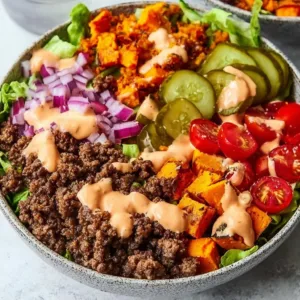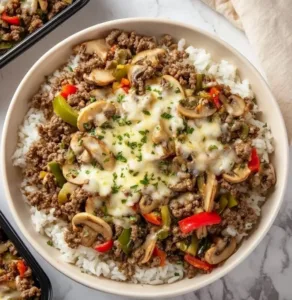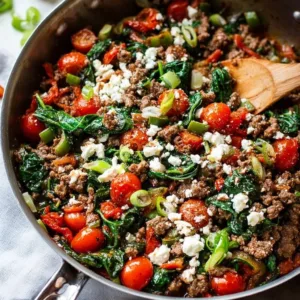
Eggs—they’re one of nature’s miracles, packed with protein to fuel your morning and quick enough to get you out the door. Did you know that just one egg contains about six grams of protein and is loaded with essential vitamins? Imagine breaking into a plate of steaming Greek Scrambled Eggs, where the delightful aromas of sautéed garlic and fresh spinach mingle with the tangy feta—it’s enough to make mornings feel like a miniature holiday.
Print
Greek Scrambled Eggs
- Total Time: 15 minutes
- Yield: 2 servings 1x
- Diet: Vegetarian
Description
A delightful and satisfying breakfast featuring eggs, spinach, tomatoes, and feta cheese, cooked to creamy perfection.
Ingredients
- 4 large eggs
- Kosher salt and freshly ground black pepper, to taste
- 1 tablespoon extra virgin olive oil
- 10 grape tomatoes, halved
- 1 cup baby spinach
- 1 green onion, thinly sliced (green and white parts separated)
- 1 garlic clove, minced
- 2 ounces feta cheese, chopped
- Fresh parsley, for garnish
Instructions
- In a mixing bowl, whisk together the eggs, salt, and pepper until well combined and slightly frothy.
- Heat olive oil in a pan over medium heat, allowing it to shimmer but not smoke.
- Add the tomatoes, baby spinach, and white parts of the green onion to the pan. Sauté for 2 to 3 minutes until the tomatoes are soft and the spinach wilts down.
- Stir in the minced garlic and sauté for an additional 30 seconds to release its fragrant aroma.
- Pour the egg mixture into the pan, letting it settle for about a minute before gently stirring.
- Use a spatula to pull the eggs across the bottom of the pan, forming long, silky curds.
- When the eggs are mostly set yet slightly soft, sprinkle in the green onion tops and feta cheese.
- Remove the pan from heat and continue stirring gently until the eggs are fully cooked but still creamy.
- Garnish with fresh parsley or any herbs you have on hand before devouring!
Notes
For creamier eggs, add a splash of milk or cream before whisking. Use a non-stick pan for easy cleanup.
- Prep Time: 5 minutes
- Cook Time: 10 minutes
- Category: Breakfast
- Method: Cooking
- Cuisine: Mediterranean
Nutrition
- Serving Size: 1 serving
- Calories: 350
- Sugar: 5g
- Sodium: 400mg
- Fat: 25g
- Saturated Fat: 6g
- Unsaturated Fat: 15g
- Trans Fat: 0g
- Carbohydrates: 5g
- Fiber: 2g
- Protein: 35g
- Cholesterol: 300mg
Why This Greek Scrambled Eggs Never Fails
These Greek Scrambled Eggs not only revive your breakfast routine, but they also bring joy to any mealtime. Bright, wholesome, and super satisfying, they showcase the power of simplicity in cooking. You can whip them up in under 15 minutes, making them perfect for busy weekdays or leisurely weekends alike. With a delightful blend of textures and flavors, they keep your palate engaged and your spirits high. Let’s dive deeper into this delicious creation!
What You’ll Need
- 4 large eggs
- Kosher salt and freshly ground black pepper, to taste
- 1 tablespoon extra virgin olive oil
- 10 grape tomatoes, halved
- 1 cup baby spinach
- 1 green onion, thinly sliced (green and white parts separated)
- 1 garlic clove, minced
- 2 ounces feta cheese, chopped
- Fresh parsley, for garnish
Let’s Cook
- In a mixing bowl, whisk together the eggs, salt, and pepper until well combined and slightly frothy.
- Heat olive oil in a pan over medium heat, allowing it to shimmer but not smoke.
- Add the tomatoes, baby spinach, and white parts of the green onion to the pan. Sauté for 2 to 3 minutes until the tomatoes are soft and the spinach wilts down.
- Stir in the minced garlic and sauté for an additional 30 seconds to release its fragrant aroma.
- Pour the egg mixture into the pan, letting it settle for about a minute before gently stirring.
- Use a spatula to pull the eggs across the bottom of the pan, forming long, silky curds.
- When the eggs are mostly set yet slightly soft, sprinkle in the green onion tops and feta cheese.
- Remove the pan from heat and continue stirring gently until the eggs are fully cooked but still creamy.
- Garnish with fresh parsley or any herbs you have on hand before devouring!
Nutrition Breakdown
These scrumptious Greek Scrambled Eggs boast a serving size that fuels your day without bogging you down. Each serving contains approximately 350 calories, with about 35 grams of protein, 5 grams of carbs, 25 grams of fat (thanks to those eggs!), and 2 grams of fiber. Eating well never tasted so good! Adding veggies like spinach and tomatoes boosts your vitamin intake and contributes to a balanced breakfast.
Perfect Pairings
These delightful eggs are amazing solo, but why not elevate your meal? Serve them atop warm, crusty whole-grain toast, or pair with a fresh fruit salad for a burst of sweetness. Add a side of Greek yogurt drizzled with honey for a touch of decadence. Whether it’s a Sunday brunch with family or a quick breakfast before work, the versatility of this dish is endless.
How to Store It Right
To keep leftovers fresh, store your Greek Scrambled Eggs in an airtight container in the fridge for up to three days. If you’d like to save them longer, they freeze well for two months—just be sure to reheat gently in the microwave or on the stovetop to avoid rubbery eggs. A quick sprinkle of fresh herbs before serving can keep the flavors vibrant and inviting.
Pro Tips
- For creamier eggs, add a splash of milk or cream before whisking.
- Don’t rush the cooking process; low and slow equals tender curds.
- Use a non-stick pan to prevent sticking and promote easy cleanup.
- Adding a pinch of smoked paprika just before serving can provide an unexpected depth of flavor.
- Always garnish with fresh herbs; it adds a lovely touch of color and freshness.
Flavor Experiments
Want to mix things up? Consider these exciting variations:
- Seasonal Twist: Add roasted butternut squash and sage in the fall for a warm, cozy feel.
- Gourmet Upgrade: Swap feta for goat cheese and add sun-dried tomatoes for a Mediterranean refresh.
- Playful Addition: Toss in some diced avocado right before serving for a creamy contrast and extra nutrients.
Learn from My Mistakes
- Eggs Overcooked: Resist the urge to cook eggs too quickly—they should be tender and creamy, not rubbery!
- Soggy Mixture: Avoid overcooking the veggies; sauté just until they are soft, allowing for a fresh bite.
- Lack of Flavors: Season your eggs generously at the whisking stage; under-seasoning can lead to blandness.
- Sticking to the Pan: If your eggs stick, your pan might not be hot enough when the eggs go in. Heat is crucial!
- Poor Storage Choices: Don’t store eggs in the main compartment of the fridge, which can lead to spoilage. Instead, keep them in a designated egg compartment for better longevity.
What to Do with Leftovers
Make the most of your leftovers by mixing them into an omelet for another quick meal, or toss them with whole wheat pasta for a nutritious scramble dish. You can even fold them into a wrap with avocado and greens for a trendy lunch option. The possibilities are endless—get creative!
Quick Questions
Can I use egg whites instead of whole eggs in Greek Scrambled Eggs?
Yes, using egg whites will reduce calories and fat while still providing protein, but the dish may lack some richness without the yolk.
What can I add to Greek Scrambled Eggs for a spice kick?
Try adding diced jalapeños or a sprinkle of crushed red pepper flakes for a delightful heat that complements the creamy feta.
Are Greek Scrambled Eggs suitable for meal prep?
Absolutely! Just follow the storage guidelines, and they reheat well, making them perfect for quick breakfasts.
Can I add different vegetables to this recipe?
Definitely! Feel free to include bell peppers, mushrooms, or zucchini based on your preference or what’s in season. It’s all about making it your own!
Jump into the kitchen, and let these Greek Scrambled Eggs bring a touch of Mediterranean charm to your plate today!