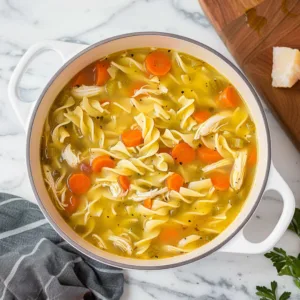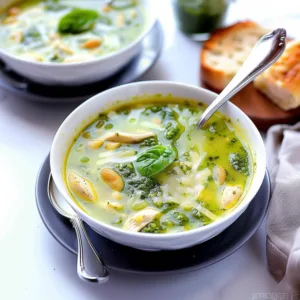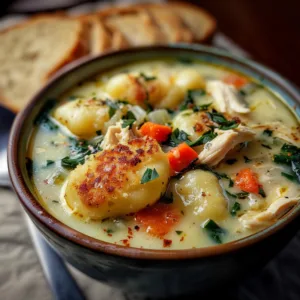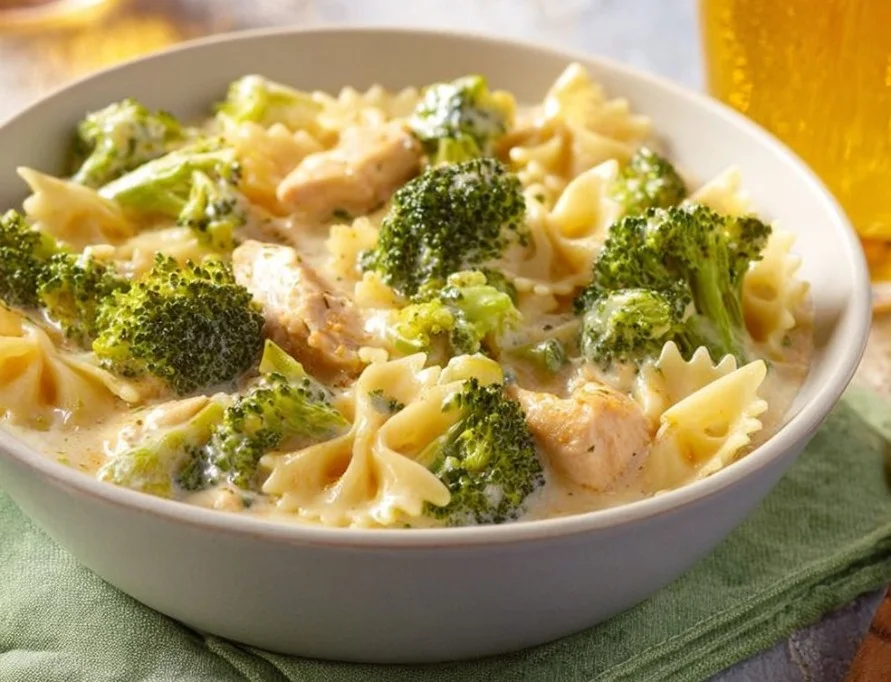
Once trudged home in a January wind, dreaming of a bowl that would warm my hands and reboot my week; turns out this soup will do that for you. This dish is packed with comforting protein, fiber, and winter-ready sodium balance. Imagine steam fogging your glasses and that first spoonful hitting the spot, savory, bright, and utterly doable.
Print
Comforting Homemade Soup for Cold Weather
- Total Time: 45 minutes
- Yield: 4 servings
- Diet: Various (Vegetarian and Meat Options)
Description
A cozy homemade soup made for cold weather, with comforting flavors that feel warm and satisfying.
Ingredients
- Chicken or vegetable stock (low-sodium if possible)
- Aromatics: onion, carrot, celery, garlic
- Protein: shredded cooked chicken, canned beans, or cubed firm tofu
- Starch: potatoes, barley, pasta, or rice
- Greens: kale, spinach, or Swiss chard
- Herbs and spices: bay leaf, thyme, smoked paprika, fresh parsley
- Acid: lemon juice, vinegar, or a splash of wine
- Fat: olive oil or butter
- Salt and pepper to taste
- Optional finishes: grated Parmesan, crispy croutons, toasted seeds, or chili oil
Instructions
- Heat oil in a pot, add onion, carrot, and celery, and cook until translucent.
- Add garlic and spices, stir for 30 seconds until fragrant.
- Pour a splash of stock or wine, scrape the fond, then add remaining stock and bring to a gentle simmer.
- Drop in proteins and starches, cook faster items like pasta or tender greens at the end.
- Turn off heat, add lemon or vinegar and fresh herbs for an uplifting finish.
Notes
Soups are adaptable; feel free to mix and match ingredients based on what’s in your pantry. For best flavor, finish with a squeeze of lemon or a drizzle of olive oil.
- Prep Time: 15 minutes
- Cook Time: 30 minutes
- Category: Soup
- Method: Simmering
- Cuisine: American
Nutrition
- Serving Size: 1.5 cups (360 ml)
- Calories: 350
- Sugar: 4g
- Sodium: 600mg
- Fat: 10g
- Saturated Fat: 3g
- Unsaturated Fat: 5g
- Trans Fat: 0g
- Carbohydrates: 40g
- Fiber: 5g
- Protein: 20g
- Cholesterol: 30mg
How to Make This Comforting Homemade Soup for Cold Weather in 30 Minutes
If you’re thinking 69 sounds like a chaos number, here’s the secret: most of those recipes share the same small set of techniques and pantry staples. The angle here is practical — how to use batch-prep, quicker cooking choices, and smart swaps so you can pick any recipe from the list and have it on the table fast. This is the pep talk part: you don’t need every pot and three hours; you need method, timing, and a couple of flavor anchors. Read on and I’ll turn that long list into your short-game soup strategy.
Ingredient Lineup
- Chicken or vegetable stock (low-sodium if possible).
- Aromatics: onion, carrot, celery, garlic.
- Protein: shredded cooked chicken, canned beans, or cubed firm tofu.
- Starch: potatoes, barley, pasta, or rice.
- Greens: kale, spinach, or Swiss chard.
- Herbs and spices: bay leaf, thyme, smoked paprika, fresh parsley.
- Acid: lemon juice, vinegar, or a splash of wine.
- Fat: olive oil or butter.
- Salt and pepper to taste.
- Optional finishes: grated Parmesan, crispy croutons, toasted seeds, or chili oil.
The Smart Sequence
- Sweat aromatics: Heat oil in the pot, add onion, carrot, and celery, and cook until translucent; this builds base flavor. Expert tip: keep heat medium-low to avoid browning which masks delicate broth notes.
- Add garlic and spices: Toss in garlic and whatever dried spices you’re using; stir 30 seconds until fragrant to bloom the spices. Pro tip: add paprika later if you want a brighter color and less bitterness.
- Deglaze and add stock: Pour a splash of stock or wine, scrape the fond, then add remaining stock and bring to a gentle simmer; this layers depth quickly. Tip: use low-sodium stock to control final seasoning.
- Add proteins and starches: Drop in faster-cooking items like pasta or tender greens near the end, and hearty things like potatoes or barley earlier so everything finishes together. Timing trick: par-cook barley or potatoes when prepping to shave active time.
- Finish with acid and herbs: Turn off heat, add lemon or vinegar and fresh herbs; this lifts the whole bowl. Small touch: add a knob of butter for gloss if you like a richer mouthfeel.
Balanced Bites
- Serving size: about 1.5 cups (360 ml) per person for a main-course bowl.
- Calories: average hearty bowl ~250 to 400 kcal depending on protein and starch.
- Protein: 12 to 25 grams with chicken or beans included.
- Carbohydrates: 20 to 45 grams depending on pasta, rice, or barley.
- Fat: 6 to 15 grams, largely from added oils or cheese.
- Fiber: 3 to 8 grams, especially when you add beans or whole grains.
Short health insight: soups are efficient nutrient carriers — they hydrate, deliver vegetables and protein in one vessel, and are easy to adapt to low-sodium or vegetarian needs without losing satisfaction.
How to Serve It Best
- Weeknight comfort: Ladle into deep bowls, top with shredded cheese and a squeeze of lemon, serve with sturdy bread.
- Casual dinner party: Offer a trio of mini bowls (clear broth, creamy, and spicy) with small garnishes on the side.
- Lunch meal prep: Portion into microwave-safe containers with toppings in separate bags.
- Seasonal moment: Serve spicy soups in late autumn, light broths with spring greens in early spring.
Keep It Fresh
- Fridge: Store in airtight containers for up to 4 days; remove any dairy toppings before storing.
- Freezer: Cool completely, then freeze up to 3 months in labeled containers; leave some headspace for expansion.
- Reheating: Thaw overnight for best texture, then rewarm gently on the stove until steaming; add fresh herbs at the end.
- Freshness tip: If soup tastes flat after storage, revive with a splash of acid (lemon or vinegar) and a drizzle of olive oil.
Flavor Boosters
- Brightness booster: Add a teaspoon of white wine vinegar or lemon zest right before serving to wake flavors up.
- Umami booster: Grate a piece of Parmesan rind into the pot during simmering, then remove before serving.
- Texture booster: Finish with toasted seeds, crispy shallots, or a handful of torn stale bread fried in oil for crunch.
Ways to Mix It Up
- Seasonal (Winter): Roast root vegetables like parsnip and beet before adding; their caramelized notes turn a simple broth into something richly seasonal.
- Gourmet (Restaurant-style): Make a beurre monté (whisked warm butter) and swirl a tablespoon into each bowl for silkiness; top with microgreens.
- Playful (Family-friendly): Turn leftovers into handhelds — thicken a leftover minestrone to make filling for baked pot pies or savory hand pies.
Mistakes to Avoid
- Undercooking aromatics: Fix by returning the pot to low heat and gently cooking until translucent; flavor base improves dramatically.
- Adding delicate greens too early: Correct by stirring them in in the last 2 to 3 minutes of cooking so they stay bright and tender.
- Over-salting early: Remedy by diluting with unsalted stock or adding acid to balance salt perception.
- Boiling pasta in finished soup: If you plan to store leftovers, cook pasta separately and add to each bowl when serving to avoid sogginess.
- Relying on canned stock alone for flavor: Boost by simmering an onion half, carrot scrap, and celery in the stock for 10 minutes before using.
Next-Day Magic
- Hearty stew rebirth: Thicken leftover chunky vegetable or bean soup with a mashed potato or a spoonful of instant mashed potato flakes, then finish with herbs.
- Pasta bake: Combine leftover minestrone with cooked pasta, top with cheese, and bake until bubbly for a cozy casserole.
- Broth concentrate: Simmer leftover brothy soups down by half and freeze in ice cube trays, perfect for flavoring sauces and grains later.
FAQs
Q: Which of the 69 soups are best for freezing and reheating later?
A: Bean-based stews and pureed vegetable soups freeze exceptionally well. Avoid freezing soups with dairy or delicate pasta; add those at reheating time for best texture.
Q: I want a low-calorie winter bowl — which swaps should I use from the list?
A: Swap cream for blended white beans to thicken, use extra vegetables and lean protein like turkey, and cut oil by sautéing aromatics in a non-stick pan with a splash of stock.