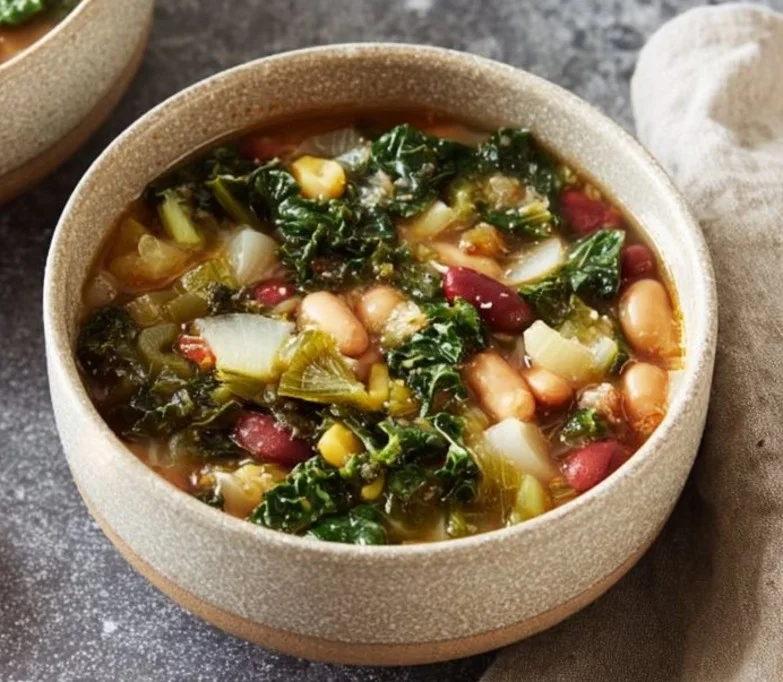
The house smells of simmered tomatoes and thyme, steam fogging the windows while the first spoonful warms you like a small, edible blanket. Homemade soups have a quiet way of doing that, bringing simple ingredients together into something deeply comforting and nourishing. With plenty of vegetables, a savory broth, and satisfying texture, this bowl is made for cold days when you want real food that feels both wholesome and cozy.
Print
Hearty Winter Vegetable Soup
- Total Time: 45 minutes
- Yield: 4 servings 1x
- Diet: Vegetarian
Description
A comforting and nutritious winter vegetable soup that is versatile and easy to make, perfect for cold evenings.
Ingredients
- 1–2 tablespoons olive oil or neutral cooking oil
- 1 tablespoon unsalted butter (optional)
- 1 cup yellow onion, finely diced
- 1 cup carrots, diced
- 1 cup celery, diced
- 3 cloves garlic, minced
- 2 cups chopped seasonal vegetables (like butternut squash, potatoes, kale, or mushrooms)
- 1 can (15 ounces) crushed or diced tomatoes
- 6–8 cups low sodium chicken, beef, or vegetable stock
- 1 bay leaf
- 1 teaspoon dried thyme
- 1 teaspoon dried oregano
- Fresh herbs for finishing (parsley, cilantro, or basil)
- 1 can (15 ounces) beans or lentils
- Short pasta, barley, or rice for body
- 1 tablespoon lemon juice or a splash of vinegar
- Salt and freshly ground black pepper to taste
- Optional: cream, coconut milk, or Greek yogurt
- Optional garnishes: grated cheese, chili flakes, toasted seeds
Instructions
- Heat a large pot over medium heat and add the oil.
- Add onion, carrots, and celery; cook for 6-8 minutes until softened.
- Stir in garlic and tomato paste, cooking for 1 minute.
- Pour in stock and scrape the bottom of the pot; bring to a gentle simmer.
- Add seasonal vegetables and protein; simmer uncovered for 15-25 minutes.
- If using pasta or rice, add during the last 10-15 minutes of cooking.
- Finish with lemon juice or vinegar, and season with salt and pepper.
- Ladle into bowls and garnish with fresh herbs or cheese.
Notes
Soups can be customized with different vegetables and proteins. Use low-sodium stock to keep it healthier.
- Prep Time: 15 minutes
- Cook Time: 30 minutes
- Category: Soup
- Method: Simmering
- Cuisine: American
Nutrition
- Serving Size: 1.5 cups
- Calories: 350
- Sugar: 6g
- Sodium: 500mg
- Fat: 10g
- Saturated Fat: 3g
- Unsaturated Fat: 7g
- Trans Fat: 0g
- Carbohydrates: 45g
- Fiber: 10g
- Protein: 15g
- Cholesterol: 10mg
Quick Tips to Make This Nourishing Winter Vegetable Soup Effortless
Think of this as your one-stop soup playbook. Whether you’re after a hearty stew or a silky bisque, the goal here is efficiency: batch-friendly steps, smart swaps, and flavor-first techniques so you spend less time fussing and more time enjoying. Consider each recipe a modular idea—swap proteins, bulk up veggies, or scale for freezer meals without losing the soul of the dish.
Ingredient Lineup
- Olive oil or neutral cooking oil
- Unsalted butter (optional for richness)
- Yellow onion, finely diced
- Carrots and celery (classic mirepoix)
- Garlic, minced
- Seasonal vegetables: butternut, potatoes, kale, or mushrooms
- Canned tomatoes (crushed or diced) and/or tomato paste
- Chicken, beef, or vegetable stock (low sodium preferred)
- Dried herbs: bay leaf, thyme, oregano
- Fresh herbs: parsley, cilantro, basil (finishers)
- Canned beans or lentils for plant-based protein
- Short pasta, barley, or rice for body
- Acid: lemon juice or a splash of vinegar
- Salt and freshly ground black pepper
- Optional: cream, coconut milk, or Greek yogurt for creaminess
- Optional garnishes: grated cheese, chili flakes, toasted seeds
Step-by-Step Method
- Heat a large, heavy-bottomed pot over medium heat and add 1 to 2 tablespoons of oil to shimmer; don’t crowd the pan to keep vegetables caramelizing not steaming. Expert tip: hot pan, cold fat prevents sticking.
- Add 1 cup diced onion, 1 cup diced carrots, and 1 cup diced celery and cook 6 to 8 minutes until softened and lightly golden; stirring occasionally builds flavor. Mini-tip: hit the edges with a little salt to coax moisture and faster browning.
- Stir in 3 cloves minced garlic and 2 tablespoons tomato paste, cook 1 minute to bloom flavors; this step deepens color and complexity. Expert mini-tip: taste as you go—intense tomato paste mellows with broth.
- Pour in 6 to 8 cups stock and scrape the browned bits from the pot; bring to a gentle simmer. Professional note: a simmer is flavorful, a boil is thin—keep it gentle.
- Add 2 cups chopped seasonal vegetables and 1 cup of your chosen protein or beans; simmer uncovered 15 to 25 minutes until vegetables are tender. Mini-tip: root vegetables take longer; add delicate greens near the end.
- If using pasta or rice, add it in the last 10 to 15 minutes and test for doneness; reserve some cooking time so starches thicken the broth to a pleasant body. Expert tip: undercook pasta slightly if you plan to store leftovers.
- Finish with acid—1 tablespoon lemon juice or vinegar—and a knob of butter or 1/4 cup cream if desired; season to taste with salt and pepper. Mini-tip: acidity brightens flavors more than extra salt.
- Ladle into bowls and garnish with fresh herbs, crunchy seeds, or grated cheese. Presentation tip: contrast textures—silky soup plus crisp topping is always a win.
Balanced Bites
- Serving size: about 1 1/2 to 2 cups per person, satisfying and portion-controlled.
- Calories: expect 220 to 480 kcal depending on protein and added cream.
- Protein: 8 to 30 grams per serving (higher with beans, lentils, or meat).
- Carbohydrates: 20 to 60 grams, influenced by pasta, grains, and starchy veg.
- Fat: 6 to 24 grams, depending on oil, butter, and dairy additions.
- Fiber: 4 to 12 grams, soup is an excellent way to boost daily fiber with vegetables and legumes.
Health insight: Soups are a nutrient-dense vehicle—prioritize low-sodium stock, add legumes for sustained fullness, and finish with acid and herbs to reduce the need for excess salt.
Perfect Pairings
- Pour a crusty whole-grain baguette or slice of sourdough on the side for dunking, especially with tomato-based soups.
- Serve with a bright salad—arugula, lemon, shaved fennel—to cut richness on heavier chowders and stews.
- Pair lighter broths with a crisp white wine like Sauvignon Blanc; heartier beefy soups play nicely with a medium-bodied red.
- For family nights, add a cheese toast or open-face bagel topped with a savory spread to balance texture and make the meal feel complete.
How to Store It Right
- Refrigerate: cool soup to room temperature, transfer to airtight containers, and refrigerate for up to 4 days for best quality.
- Freeze: use freezer-safe containers or bags, leaving 1 inch headspace; most soups freeze well for 2 to 3 months—cream-based soups may separate but can be rescued on reheating.
- Reheat: thaw overnight in the fridge if frozen, then reheat gently over medium-low heat, stirring frequently until steaming. Freshness tip: add a splash of stock or water if the soup thickened during storage to revive texture.
Pro Notes
- Use a heavy-bottomed pot for even heat; it prevents scorching and builds better fond for flavor.
- For clearer broths, simmer gently and skim foam during the first 10 minutes.
- Layer flavors: sauté aromatics well, bloom spices, then deglaze before adding liquid for depth.
Ways to Mix It Up
- Seasonal: Autumn Roasted Squash and Apple Soup—roast squash and tart apples, finish with warm spices like cinnamon and a swirl of creme fraiche.
- Gourmet: Lobster Bisque Upgrade—use lobster shells to make a quick fumet, finish with brandy and a touch of cream for restaurant-level richness.
- Playful: Ramen-Inspired Weeknight Soup—use miso paste, soy sauce, quick-cooked ramen, soft-boiled egg, scallions, and an umami-packed drizzle of chili oil.
Mistakes to Avoid
- Over-salting early: idea—salt lightly while cooking and adjust at the end; fix—add acid and unsalted stock to rebalance.
- Adding pasta or grains too early: problem—mushy leftovers; fix—add during final simmer or cook separately and combine when serving.
- Skipping the acid finish: mistake—flat flavor; fix—always taste and add a splash of lemon juice or vinegar to brighten the bowl.
- Boiling aggressively: result—cloudy broth and broken proteins; fix—reduce to a gentle simmer to preserve clarity and texture.
Next-Day Magic
- Transform into a pot pie filling: thicken leftover soup with a flour or cornstarch slurry, pour into a baking dish, top with puff pastry, and bake until golden.
- Blend into a creamy sauce: puree and toss with pasta, add grated cheese and herbs for an instant comfort meal.
- Use as a cooking liquid: simmer grains like quinoa or barley in leftover soup for extra flavor and an easy new bowl.
Quick Questions
Q: How should I scale recipes when making soup for a crowd?
A: Multiply ingredients by the number of servings needed, but increase seasoning and acid at the end. Cook in batches if your pot is too small—crowding lowers the temperature and prevents proper browning of aromatics. Taste and adjust before serving.
Q: Can I make every soup vegetarian or vegan without losing flavor?
A: Yes—use robust vegetable broths, roasted vegetables, mushrooms, miso, and umami boosters like soy sauce or tomato paste. Finish with toasted nuts or nutritional yeast for richness instead of dairy. Legumes add satisfying protein.
Q: How do I prevent cream-based soups from separating after freezing?
A: Best practice: freeze the base without added cream, then thaw and gently reheat before stirring in cream, milk, or coconut milk at the end. Alternatively, blend a small potato or white bean into the reheated soup for creaminess without dairy.
Q: What’s the quickest way to thicken a watery soup?
A: Simmer uncovered to reduce, whisk in a slurry of 1 tablespoon cornstarch mixed with 2 tablespoons cold water per cup of liquid, or blend a portion of the soup and return it to the pot for an instant body boost.