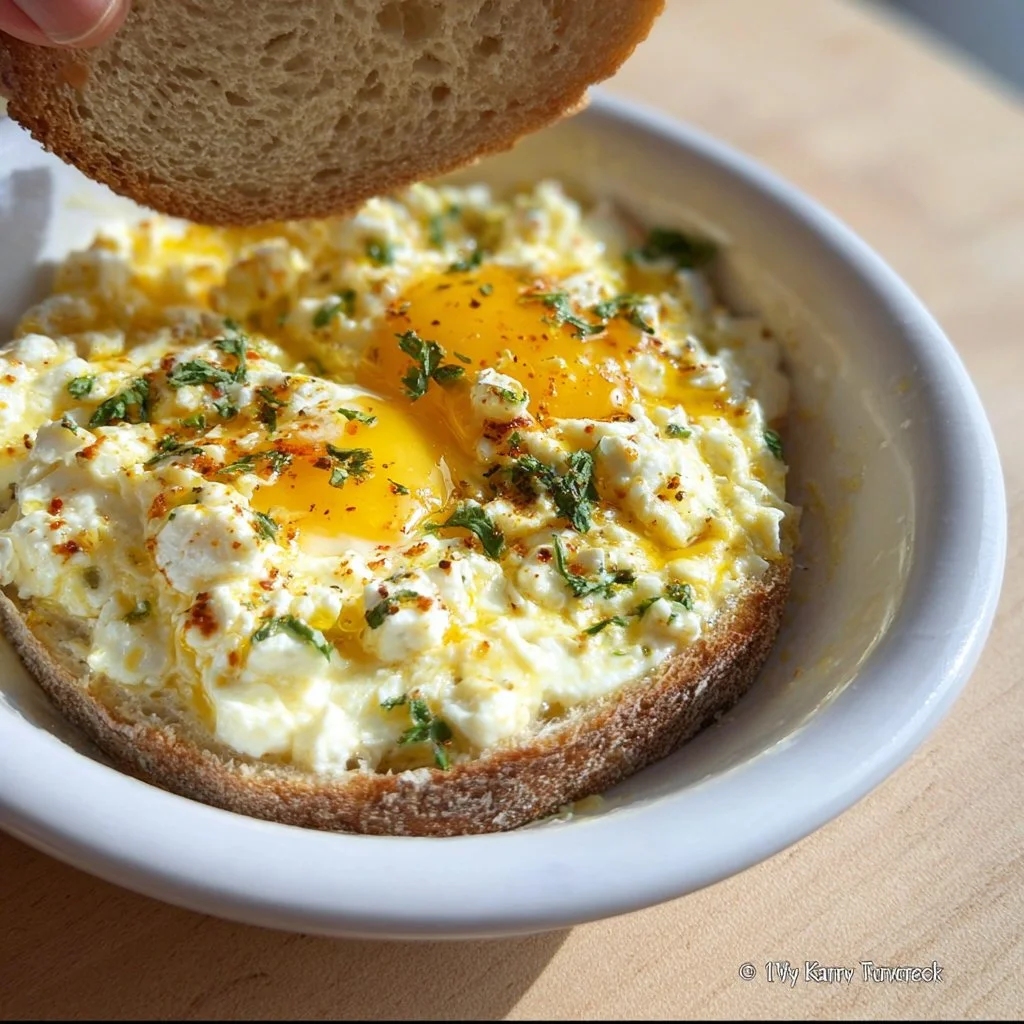
Baked Feta Eggs have become a breakfast sensation, with good reason—combining creamy feta, fluffy eggs, and a drizzle of olive oil, this dish not only pleases the palate, but it’s also a powerhouse of protein to get your day started. Did you know that one serving can deliver about 15 grams of protein? As the scent of baked feta and eggs wafts through your kitchen, you can almost hear the breakfast whispers promising a fulfilling morning. Let’s dive into how you can whip up this delightful dish in your own kitchen.
Print
Baked Feta Eggs
- Total Time: 37 minutes
- Yield: 4 servings 1x
- Diet: Vegetarian
Description
A delicious breakfast dish featuring baked feta and eggs, packed with protein and flavor.
Ingredients
- 100g feta cheese
- Drizzle of olive oil
- 8 large eggs
- Salt and pepper to taste
Instructions
- Preheat the oven to 400F (200C).
- Add the block of feta to the middle of an 8 by 8 inch baking dish.
- Drizzle the dish and feta with olive oil, ensuring it’s coated well.
- Crack the eggs into the baking dish (around the block of feta) and season with salt and pepper to taste.
- Bake for 20-22 minutes or until the eggs have set.
- Take the baking dish out of the oven and stir the warm feta together with the eggs, creating a creamy consistency.
- Serve on toast, in pitas, for sandwiches, or alongside bacon or sausage.
Notes
Monitor closely during the last few minutes to avoid overcooking.
- Prep Time: 15 minutes
- Cook Time: 22 minutes
- Category: Breakfast
- Method: Baking
- Cuisine: Mediterranean
Nutrition
- Serving Size: 1 serving
- Calories: 250
- Sugar: 1g
- Sodium: 600mg
- Fat: 20g
- Saturated Fat: 8g
- Unsaturated Fat: 12g
- Trans Fat: 0g
- Carbohydrates: 2g
- Fiber: 0g
- Protein: 15g
- Cholesterol: 375mg
Why This Baked Feta Eggs Never Fails
One of the most appealing things about Baked Feta Eggs is their effortless elegance. You may not find a dish that balances simplicity and gourmet flair as beautifully as this one. Whether you’re hosting brunch or enjoying a quiet Sunday morning, this recipe is every bit as comforting as it is visually pleasing. It doesn’t require chef-level skills, but your guests will think you’ve been working in the kitchen all morning. The key is to keep it easy and delicious—trust me, you’ll make this more often than you’d think.
The Essentials
To create this Mediterranean-inspired dish, you’ll need:
- 100 grams feta cheese (a block of your favorite brand)
- Drizzle of olive oil (to enhance richness)
- 8 large eggs (farm-fresh for the best flavor)
- Salt and pepper (to taste, seasoning is crucial!)
Step-by-Step Method
- Preheat the oven to 400F (200C).
- Add the block of feta to the middle of an 8 by 8 inch baking dish.
- Drizzle the dish and feta with olive oil, ensuring it’s coated well.
- Crack the eggs into the baking dish (around the block of feta), and season with salt and pepper to taste.
- Bake for 20-22 minutes or until the eggs have set. I like a softer egg, so feel free to adjust the bake time for your preference.
- Take the baking dish out of the oven and stir the warm feta together with the eggs, creating a creamy consistency.
- Serve on toast, in pitas, for sandwiches, or alongside bacon or sausage for a hearty breakfast!
Expert Tip: For perfect baked eggs, monitor closely during the last few minutes to avoid overcooking.
Nutrition Breakdown
One serving of Baked Feta Eggs contains approximately 250 calories, delivering around 15 grams of protein, 20 grams of fat, and 2 grams of carbohydrates. It’s low in carbs but high in healthy fats and protein, making it a fantastic option for those following a low-carb diet. The blend of nutrients makes it a balanced choice for breakfast, revitalizing your energy without weighing you down.
Perfect Pairings
Serve this delectable dish with toasted whole-grain bread for added fiber, or pair it with a fresh garden salad to keep things light and bright. It’s excellent for holiday brunches—think Easter or Mothers’ Day—bringing the springtime touch into your kitchen. You could also consider topping it with fresh herbs like dill or parsley for an extra flavor boost.
Smart Reheat Tricks
Store leftovers in an airtight container in the fridge for up to 3 days. Reheat in the oven at 350F (175C) for about 10-15 minutes until warmed through. If you want to keep the dish fresh longer, consider freezing single portions, which will last about a month. For freshness, a splash of olive oil before reheating adds great flavor.
Expert Tips
- For a creamier texture, try adding a dollop of sour cream or cream cheese to the eggs before baking.
- Use high-quality feta for a richer, tangy flavor; it truly makes a difference in the overall dish.
- Experiment with different herbs or spices for a unique twist each time you prepare this dish.
- Don’t be afraid to adjust the bake time for your egg preferences; a soft, runny yolk can be divine!
- Presentation matters—a sprinkle of paprika or fresh herbs makes your baked feta eggs Instagram-worthy!
Flavor Experiments
- Seasonal Twist: In spring, add asparagus tips to the baking dish for bright, fresh notes.
- Gourmet Version: Upgrade with sun-dried tomatoes and fresh basil for an Italian-inspired take.
- Playful Addition: Toss in some diced cooked bacon or sautéed mushrooms for a hearty, fun rendition.
Learn from My Mistakes
- Overcooking the Eggs: If you bake them too long, you’ll end up with rubbery eggs. Watch the time closely!
- Neglecting Seasoning: Don’t skip the salt and pepper! A simple seasoning can elevate the flavors significantly.
- Using Crumbled Feta: Crumbled feta doesn’t hold its shape as well; use a block for better texture and presentation.
- Skipping Oil: Forgetting to drizzle olive oil on the feta can lead to a dryer outcome; make sure it’s well-coated.
- Baking Dish Size: Using a dish that’s too small puts excess pressure on the eggs, resulting in uneven cooking.
Creative Second-Day Ideas
- Feta Egg Sandwich: Layer the baked feta eggs between slices of crusty bread or a bagel for a delightful breakfast sandwich.
- Feta Omelette: Chop up the remaining baked dish and fold it into an omelette for a quick, indulgent meal.
- Mediterranean Grain Bowl: Serve it over quinoa or farro with olives and diced cucumbers for a wholesome lunch.
Quick Questions
Can I use goat cheese instead of feta? Absolutely! Goat cheese can add a tangy flavor, just be mindful of the texture.
How do I know when the eggs are done baking? The eggs should be set but still have a slight jiggle; individual preference for ‘doneness’ varies.
Can I prepare this in advance? Yes! Assemble it the night before, refrigerate, then simply pop it in the oven in the morning!
What’s the best way to serve this dish? It’s great on its own, but it also pairs wonderfully with toasted bread, a fresh salad, or even mixed with pasta for a delightful lunch.
Now that you have the ins and outs of making Baked Feta Eggs, I can assure you that your mornings are about to get a lot tastier. Dig in and enjoy the delight that comes from this simple, yet elegant dish!



1 thought on “High-Protein, Baked Feta Eggs”