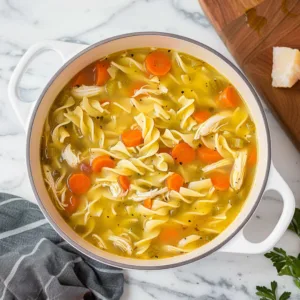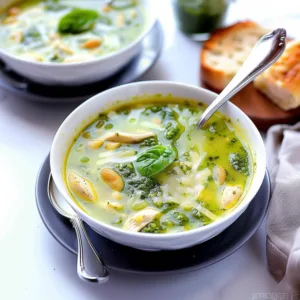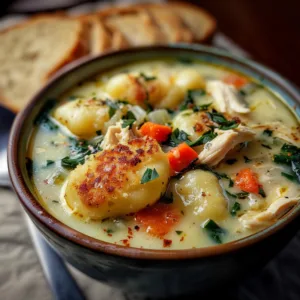
When the thermostat slides below 50 F, Americans eat roughly 20 percent more soup, and for good reason, a steaming bowl delivers comfort, hydration, and a surprising nutrient boost in one spoonful. Imagine the first inhale of rosemary and simmered tomatoes, or the velvet of pureed squash on your tongue; those sensory wins make the cold worth it.
Print
Homemade Winter Soup
- Total Time: 45 minutes
- Yield: 4 servings 1x
- Diet: Vegetarian
Description
A comforting and nutritious collection of homemade soup recipes perfect for cold weather, featuring a variety of flavors and ingredients.
Ingredients
- 8 to 10 cups low-sodium chicken or vegetable stock
- 2 to 4 cans canned tomatoes
- Dried beans and lentils (as needed)
- Root vegetables (carrots, onions, celery, potatoes)
- Leafy greens (kale, spinach, or Swiss chard)
- Aromatics and herbs (garlic, thyme, bay leaves, rosemary)
- 2 tablespoons olive oil or butter
- Optional enrichers (cream, yogurt, or coconut milk)
- Acid finishers (lemon juice, vinegar, or white wine)
- Salt and freshly ground black pepper to taste
Instructions
- Heat 2 tablespoons of oil in a heavy pot over medium heat, then add aromatics and sweat until translucent.
- Add root vegetables and cook for 4 to 6 minutes to develop a faint caramelization.
- Pour in stock and any canned tomatoes or beans, bring to a simmer and skim any foam.
- Reduce heat and let simmer for 20 to 40 minutes, depending on the recipe complexity.
- For pureed soups, cool slightly, then blend until smooth, returning to the pot to finish with cream or butter.
- Adjust seasoning with salt, pepper, acid, and a finishing fat, tasting as you go.
- Serve hot with garnishes and a bowl of crusty bread.
Notes
Soups are an ideal vehicle for vegetables and proteins. Choosing low-sodium stock and adding legumes raises fiber content without excess calories.
- Prep Time: 15 minutes
- Cook Time: 30 minutes
- Category: Soups
- Method: Stovetop
- Cuisine: American
Nutrition
- Serving Size: 1.5 cups
- Calories: 220
- Sugar: 5g
- Sodium: 300mg
- Fat: 8g
- Saturated Fat: 2g
- Unsaturated Fat: 6g
- Trans Fat: 0g
- Carbohydrates: 30g
- Fiber: 6g
- Protein: 10g
- Cholesterol: 10mg
Quick Tips to Make This Nourishing Homemade Winter SoupEffortless
Ingredient Lineup
- Low-sodium chicken or vegetable stock — 8 to 10 cups for batch work.
- Canned tomatoes — 2 to 4 cans for instant acidity and depth.
- Dried beans and lentils — pantry protein, soak if needed.
- Root vegetables — carrots, onions, celery and potatoes.
- Leafy greens — kale, spinach, or Swiss chard added at the end.
- Aromatics and herbs — garlic, thyme, bay leaves, rosemary.
- Fat for flavor — olive oil, butter, or a little bacon fat.
- Optional enrichers — cream, yogurt, or coconut milk for creamy soups.
- Acid finishers — lemon juice, vinegar, or a splash of white wine.
- Salt and freshly ground black pepper to taste.
Step-by-Step Method
- Heat 2 tablespoons of oil in a heavy pot over medium heat, then add aromatics and sweat until translucent; tip: do not brown the onion too much or you’ll lose that gentle sweetness that many of the 69 recipes rely on.
- Add root vegetables and cook for 4 to 6 minutes to develop a faint caramelization; expert mini-tip: toss in a pinch of salt early to draw moisture and speed softening.
- Pour in stock and any canned tomatoes or beans called for, bring to a simmer and skim any foam; pro note: simmer gently for clearer broth and fewer cloudy bits.
- Reduce heat and let simmer for 20 to 40 minutes, depending on the recipe complexity; timing tip: lentil soups often need 20 to 30 minutes, while dried beans need substantially longer or pre-soaking.
- For pureed soups, cool slightly then blend until smooth, returning to the pot to finish with cream or butter; safety tip: vent the blender lid slightly to avoid pressure build-up.
- Adjust seasoning with salt, pepper, acid and a finishing fat, tasting as you go; flavor tip: acidity brightens a heavy soup so add lemon or vinegar at the very end.
- Serve hot with garnishes and a bowl of crusty bread; presentation tip: sprinkle fresh herbs and a drizzle of good olive oil for instant polish.
Nutrition Breakdown
- Serving size: 1.5 cups is a hearty soup serving that satisfies most adults.
- Calories: Many brothy, vegetable-forward soups average about 180 to 260 calories per serving.
- Protein: Expect 8 to 18 grams, depending on beans, meat, or dairy inclusion.
- Carbohydrates: Typically 15 to 30 grams, higher if potatoes, rice, or pasta are added.
- Fat: Between 6 and 14 grams, depending on added cream or oils.
- Fiber: Look for 3 to 7 grams when soups include legumes and whole vegetables.
Short health insight: Soups are a convenient vehicle for vegetables and lean proteins; choosing low-sodium stock and adding legumes will raise fiber and satiety without piling on calories.
Perfect Pairings
- Serve with a crisp green salad dressed in bright vinaigrette to cut through richer, creamy soups.
- Offer rustic bread, toasted baguette slices, or buttered rye for scooping; texture contrast matters.
- Pair tomato or vegetable soups with a sharp cheddar grilled cheese for nostalgic comfort.
- For elegant dinners, present clear consommés with a side of herbed crostini and a simple white wine.
- Cozy family nights call for chili-style soups paired with tortilla chips, shredded cheese, and avocado.
How to Store It Right
- Refrigerate cooled soup in airtight containers within two hours; keeps 3 to 4 days for most brothy soups.
- Freeze soups in portion-sized containers or heavy-duty freezer bags; label with date and freeze up to 3 months.
- For creamy soups, cool fully and reheat gently to avoid separation; if separation happens, whisk in a splash of milk or cream to re-emulsify.
- Thaw frozen soup overnight in the refrigerator or use a gentle defrost setting in the microwave before reheating.
- Freshness tip: add a squeeze of lemon or a fresh herb garnish when reheating to revive flavors.
Expert Tips
- Use a flavor base: sweat onions, garlic and celery first to build depth rather than relying on stock alone.
- Toast dried spices in the pot before adding liquids for an immediate flavor lift and complexity.
- Finish with acid and fat at the end — a squeeze of lemon and a drizzle of oil amplify flavors better than extra salt.
- Cook grains and pasta separately if you plan to store leftovers, then add them at serving to avoid soggy textures.
- If short on time, use an immersion blender directly in the pot to puree — saves time and reduces cleanup.
Flavor Experiments
- Seasonal twist (autumn): Roast butternut squash and apples before pureeing for a sweet-savory fall soup with cinnamon and thyme.
- Gourmet idea: Stir in a spoonful of truffle oil or shave aged Parmigiano-Reggiano over mushroom soups for an upscale finish.
- Playful variation: Turn a classic chicken noodle recipe into a Thai-inspired soup by swapping stock for coconut milk, adding lime, fish sauce, and cilantro.
Mistakes to Avoid
- Undermixing seasoning: fix — taste early and often; seasoning is layered, not all at the end.
- Overcooking pasta or rice in the pot: fix — cook grains separately and add them when serving to maintain texture.
- Using full-sodium stock without adjustment: fix — use low-sodium stock and season to taste, especially because store-bought stocks vary.
- Rushing bean soups with undercooked beans: fix — soak overnight or use canned beans for speed and consistent tenderness.
- Blending a pot that’s too hot: fix — allow to cool slightly or use small batches to avoid splatter and burns.
What to Do with Leftovers
- Turn leftover vegetable soup into a shepherd’s pie base; top with mashed potatoes and bake until golden.
- Use concentrated leftover meat-based broth to cook grains — it imparts rich flavor to rice, farro, or quinoa.
- Freeze in ice cube trays to save small portions as flavor bombs for sauces and future soups.
FAQs
Q: How can I batch-cook several soups from the 69-recipe list without getting overwhelmed?
A: Pick two broths, two creamy soups, and one bean-based recipe to rotate. Make the broths in big pots, freeze portions, and finish creamy soups with fresh dairy at serving time. This gives variety with repeatable steps.
Q: Are canned tomatoes and store-bought stocks acceptable when making these 69 soups quickly?
A: Absolutely. Good canned tomatoes and low-sodium stock are kitchen time-savers. Choose quality brands and adjust seasoning and acidity at the end to make them taste homemade.
Q: What’s the best way to keep soups from getting bland after reheating?
A: Brighten reheated soups with acid (lemon, vinegar) and finish with a fresh herb or a swirl of quality olive oil. Add a pinch of salt after reheating because flavors mute when cold and shift during storage.