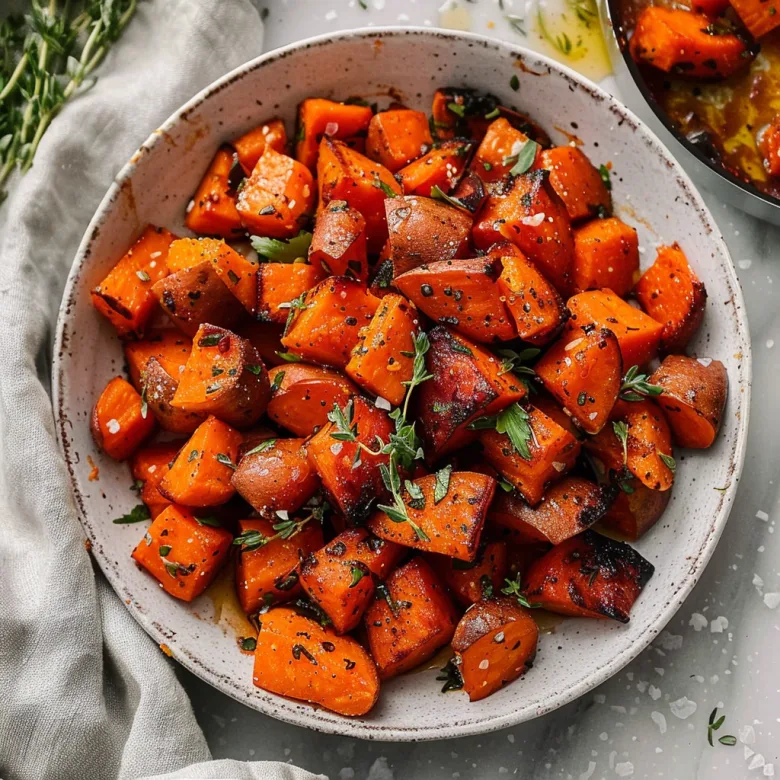
There’s a special comfort that comes from a simple, well-executed roasted vegetable dish. This recipe for Roasted Sweet Potatoes & Carrots, inspired by Walder Wellness, RD, has become a go-to in my kitchen for its ease, flavor, and vibrant colors. It’s the kind of side dish that elevates weeknight meals without demanding hours of prep. I love that it brings out the natural sweetness of these root vegetables, making them enjoyable even for picky eaters. The beautiful hues are a visual treat, and the aroma filling the kitchen as they roast is simply inviting.
Why This Roasted Sweet Potatoes & Carrots Works
This recipe stands out because it leverages the natural sweetness and earthy flavors of sweet potatoes and carrots, enhanced by simple roasting. The high heat caramelizes their sugars, creating a delightful tenderness and a slightly crispy exterior, a texture combination that’s very satisfying. It’s a straightforward approach that allows the quality of the vegetables to shine through, making it a wholesome and delicious addition to any meal without being overly complicated.
Ingredients
- 1.5 pounds sweet potatoes (about 2 medium-large), peeled and cut into 1-inch cubes
- 1 pound carrots (about 4-5 medium), peeled and cut into 1-inch chunks
- 2 tablespoons olive oil
- 1 teaspoon dried rosemary
- 1/2 teaspoon garlic powder
- 1/4 teaspoon salt, or to taste
- 1/8 teaspoon black pepper, or to taste
Gathering these few, simple ingredients is the first step towards a wonderfully flavorful side dish.
How to Make It
- Preheat your oven to 400°F (200°C). Line a large baking sheet with parchment paper or foil for easier cleanup. This is a crucial step for even cooking and preventing sticking, especially with naturally sweet vegetables that can caramelize aggressively.
- In a large bowl, combine the cubed sweet potatoes and chunked carrots. I find using a bowl large enough to comfortably toss the vegetables ensures each piece gets adequately coated with the oil and seasonings.
- Drizzle the olive oil over the vegetables. The olive oil acts as a vehicle for the seasonings and helps them adhere to the vegetables, while also promoting browning and crisping during the roasting process. I prefer extra virgin olive oil for its flavor, but a regular olive oil works just as well here.
- Add the dried rosemary, garlic powder, salt, and black pepper to the bowl with the vegetables and oil. I like to add the dried herbs first to the oil to let them rehydrate slightly before tossing everything together, which can intensify their flavor. Feel free to adjust the amount of salt and pepper to your preference. Some days I like a little more pepper for a subtle kick.
- Toss everything together thoroughly until the vegetables are evenly coated with the olive oil and seasonings. This ensures that every bite will have that desirable flavor and texture. I usually use my hands for this to really get in there and make sure every crevice is covered.
- Spread the seasoned vegetables in a single layer on the prepared baking sheet. It’s important to avoid overcrowding the pan. If the vegetables are piled too high, they will steam rather than roast, resulting in a mushy texture instead of those lovely caramelized edges. If your baking sheet is not large enough, use two.
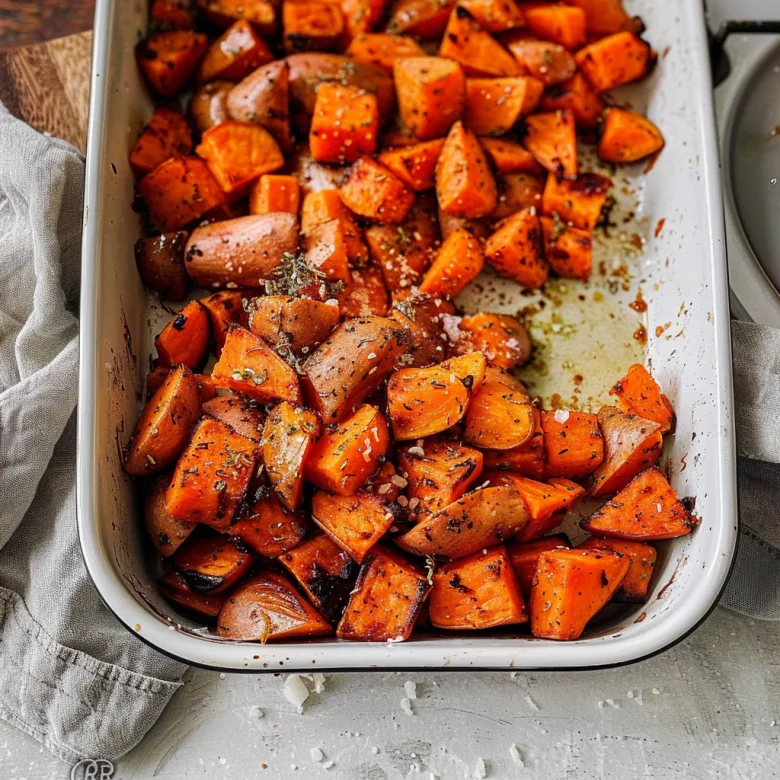
- Roast for 25-35 minutes, or until the vegetables are tender and slightly caramelized, flipping them halfway through. The exact cooking time will depend on the size of your vegetable pieces and your oven. I usually check around the 20-minute mark and give them a good toss. You’re looking for fork-tender vegetables with some nice browning on the edges.
- Once roasted to your liking, remove from the oven. Let them cool slightly before serving. The aroma alone is usually enough to tell you they’re ready, but a quick poke with a fork confirms the perfect tenderness.
Following these straightforward steps will result in a deliciously roasted batch of sweet potatoes and carrots.
Try this recipe too: Easy Sweet Potato Casserole Recipe
Nutrition at a Glance
This dish is a nutritional powerhouse in disguise, packed with essential vitamins, minerals, and fiber. Here’s a look at what makes it so good for you:
- Rich in Vitamin A: Both sweet potatoes and carrots are exceptionally high in beta-carotene, which the body converts to vitamin A. This vitamin is vital for vision, immune function, and skin health. A single serving can provide more than 100% of your daily recommended intake.
- Good Source of Fiber: The fiber content in these root vegetables aids digestion, helps you feel full, and can contribute to stable blood sugar levels. It’s a substantial amount of dietary fiber that supports overall gut health.
- Antioxidant Properties: Beta-carotene and other antioxidants found in sweet potatoes and carrots help combat oxidative stress in the body, potentially protecting against chronic diseases.
- Minerals: These vegetables also offer minerals like potassium, which is important for blood pressure regulation, and manganese, which plays a role in bone health and metabolism.
- Lower in Calories: Compared to many other side dishes, roasted sweet potatoes and carrots are relatively low in calories, making them a filling and healthy choice for those watching their intake.
- Complex Carbohydrates: They provide sustained energy due to their complex carbohydrate profile, making them a great fuel source.
- Naturally Low in Fat: The primary fat content comes from the added olive oil, which is a healthy monounsaturated fat. The vegetables themselves are virtually fat-free.
- Versatile Flavor Profile: Their natural sweetness makes them adaptable to various flavor combinations, allowing for customization while maintaining nutritional benefits.
This vegetable medley isn’t just tasty; it’s a smart choice for supporting your well-being with every colorful bite.
How to Serve It
Roasted sweet potatoes and carrots are incredibly versatile and can complement a wide array of main dishes. Their natural sweetness offers a pleasing counterpoint to savory flavors, and their tender, slightly caramelized texture makes them a crowd-pleaser. When serving, consider the following:
- As a Hearty Side Dish: This is their most common role. They pair wonderfully with roasted chicken, grilled steak, pork chops, or pan-seared fish. The sweetness of the vegetables balances the richness of meat or fish beautifully. For a plant-based meal, they serve as a great accompaniment to lentil loaves, tofu steaks, or hearty grain bowls.
- With Herbs for Added Freshness: A sprinkle of fresh chopped parsley, chives, or thyme just before serving can add a pop of color and a burst of freshness that brightens the overall flavor profile. I often find myself reaching for fresh herbs, especially when I have them on hand.
- With a Drizzle of Glaze: For a touch more indulgence, consider a light drizzle of maple syrup or honey after roasting. This enhances the caramelization and adds a touch more sweetness, turning them into a more decadent side, especially for holiday meals. A balsamic glaze can also add a tangy sweetness.
- Incorporated into Other Dishes: Leftovers can be mashed for a quick sweet potato and carrot mash, added to salads for texture and sweetness, or even blended into soups to add body and flavor.
- As Part of a Larger Vegetable Medley: Don’t hesitate to roast other vegetables alongside these. Broccoli, Brussels sprouts, or red onion all roast well and can be tossed together on the same pan for a more diverse vegetable offering. Just be mindful of different cooking times.
- With a Savory Dip or Sauce: While delicious on their own, a dollop of plain Greek yogurt mixed with herbs, a bit of aioli, or even a tahini dressing can offer another layer of flavor and a creamy contrast to the roasted texture. This is particularly good if you’re serving them as a more casual appetizer.
- As a Base for a Grain Bowl: Scatter them over a bed of quinoa, farro, or brown rice. Add some protein like grilled chicken or chickpeas, a handful of greens, and a flavorful dressing, and you have a complete and satisfying meal.
No matter how you choose to present them, these roasted sweet potatoes and carrots are a versatile and wholesome addition to any dining occasion.
Common Mistakes
Even with a simple recipe like this, a few common missteps can prevent you from achieving the best possible results. Being aware of these can help ensure your roasted vegetables are consistently delicious:
- Overcrowding the Baking Sheet: This is probably the most frequent mistake. When vegetables are piled too high, they steam instead of roast. This results in a mushy, less flavorful outcome. Always ensure the vegetables are in a single layer with some space between them to allow for proper air circulation and caramelization. If necessary, use two baking sheets.
- Cutting Vegetables Unevenly: If your sweet potato cubes and carrot chunks are significantly different sizes, they will cook at different rates. Smaller pieces will become mushy before larger ones are tender. Aim for uniform 1-inch pieces for each vegetable for consistent cooking.
- Not Preheating the Oven Properly: Roasting relies on high, consistent heat. An oven that hasn’t reached the target temperature will result in longer cooking times and less desirable texture. Always wait until your oven is fully preheated to 400°F (200°C).
- Using Too Much or Too Little Oil: Too little oil won’t allow the seasonings to adhere well and can lead to sticking and dry vegetables. Too much oil will make them greasy and can prevent proper browning. The recommended 2 tablespoons for this amount of vegetables is a good guideline.
- Skipping the Toss/Flip: While not strictly mandatory for cooking, tossing or flipping the vegetables halfway through the roasting time is key to even browning and caramelization on all sides. Without this step, one side might be nicely browned while the other remains pale.
- Overcooking: While you want them tender, overcooking can turn sweet potatoes and carrots into a starchy, mushy mess. Start checking for doneness around the 25-minute mark, and be guided by tenderness and desired caramelization rather than just the timer.
- Under seasoning: The natural sweetness of the vegetables is enhanced by salt and pepper. Don’t be shy with the seasoning! Taste and adjust as needed. The salt helps to draw out moisture and accentuate the natural flavors.
- Using Fresh Herbs too Early: If you’re adding aromatic herbs like rosemary (fresh or dried), it’s best to add them during the roasting process. However, delicate fresh herbs like parsley or chives that are used for a fresh finish should be added after cooking to preserve their vibrant color and flavor.
By keeping these common pitfalls in mind, you’re well on your way to perfectly roasted sweet potatoes and carrots every time.
Storage and Reheating
Once roasted, these sweet potatoes and carrots store well and can be enjoyed later. Storing them correctly ensures they retain their texture and flavor for as long as possible:
- Cool Completely: Before storing, allow the roasted vegetables to cool down to room temperature. Storing warm food can create condensation within the container, leading to sogginess and potentially promoting bacterial growth.
- Airtight Container: Transfer the cooled roasted vegetables to an airtight container. This prevents them from drying out and keeps them fresh. Glass containers or good-quality plastic containers work well.
- Refrigeration: Store the airtight container in the refrigerator. Properly stored, roasted sweet potatoes and carrots will typically last for 3-4 days.
- Reheating Options:
- Oven/Toaster Oven: For the best texture, reheat them in a single layer on a baking sheet in a preheated oven or toaster oven at around 350°F (175°C) for 5-10 minutes, or until heated through and slightly crisped again.
- Stovetop: You can also reheat them in a skillet over medium heat, perhaps with a tiny splash of water or oil, stirring occasionally until hot. This method might result in a softer texture.
- Microwave: While the quickest option, microwaving can sometimes lead to a softer, less appealing texture. If you do microwave, cover the container loosely to allow some steam to escape and heat in short intervals, checking for doneness.
- Avoid Freezing: While technically possible, freezing roasted vegetables like these can significantly alter their texture upon thawing, often making them quite mushy. It’s generally best to consume them fresh or within a few days of refrigeration.
Proper storage and mindful reheating will help you enjoy these healthy vegetables long after they’ve come out of the oven.
Leftover Ideas
Don’t let those delicious roasted sweet potatoes and carrots go to waste! Their natural sweetness and tender texture make them a versatile ingredient for transforming into new and exciting meals:
- Mashed Sweet Potato & Carrot Mash: Gently mash the leftovers with a fork or potato masher. You can stir in a little butter or a drizzle of olive oil, a pinch of cinnamon, or nutmeg for a sweet side dish. For a savory twist, add a touch of garlic powder and chives. This mash is a wonderful alternative to regular mashed potatoes.
- Added to Salads: Toss the cooled roasted vegetables into your favorite green salads. They add a delightful chewiness, a burst of sweetness, and a hearty element that makes a salad more substantial. They pair well with leafy greens like spinach or arugula, and can be complemented by nuts, seeds, and a tangy vinaigrette.
- Blended into Soups: Add them to vegetable soups, pureed soups, or even chicken noodle soup to boost flavor and texture. They can be blended directly into creamy soups for a smooth consistency or left chunky for added bite. Think of a creamy butternut squash soup recipe and swap some of the squash for these roasted vegetables.
- Roasted Vegetable Bowls: Create a satisfying grain bowl by layering the reheated roasted vegetables over cooked quinoa, brown rice, or farro. Top with a protein source like grilled chicken, chickpeas, or a fried egg, and a flavorful sauce or dressing (like tahini or a lemon vinaigrette).
- Frittatas or Omelets: Chop the leftover roasted vegetables and scatter them into your morning omelet or a savory frittata. They add a lovely sweetness and color to egg dishes.
- Sweet Potato & Carrot Fritters/Patties: Mash the leftovers thoroughly, then bind them with a beaten egg and a tablespoon or two of flour (or almond flour for gluten-free). You can add finely chopped herbs or spices. Pan-fry them like small pancakes until golden brown and cooked through. Serve with a dollop of yogurt or a complementary sauce.
- Incorporated into Casseroles: If you’re making a vegetable gratin or a shepherd’s pie, the chopped roasted sweet potatoes and carrots can be a flavorful, nutrient-dense addition.
- Sweet & Savory Snack: Simply eat them cold straight from the container as a healthy and satisfying snack, particularly if you have a craving for something sweet.
These ideas should help you make the most of every last morsel of your delicious roasted sweet potatoes and carrots, turning leftovers into something new and exciting.
PrintRoasted Sweet Potatoes & Carrots | Walder Wellness, RD
- Total Time: 45 minutes
- Yield: 6 servings 1x
- Diet: Vegetarian
Description
A simple, flavorful recipe for roasted sweet potatoes and carrots, perfect as a healthy side dish. Easy to make with common ingredients and adaptable to your taste. Discover how to get perfectly tender vegetables with caramelized edges.
Ingredients
- 1.5 pounds sweet potatoes, peeled and cut into 1-inch cubes
- 1 pound carrots, peeled and cut into 1-inch chunks
- 2 tablespoons olive oil
- 1 teaspoon dried rosemary
- 1/2 teaspoon garlic powder
- 1/4 teaspoon salt, or to taste
- 1/8 teaspoon black pepper, or to taste
Instructions
- 1. Preheat your oven to 400°F (200°C). Line a large baking sheet with parchment paper or foil.
- 2. In a large bowl, combine the cubed sweet potatoes and chunked carrots.
- 3. Drizzle the olive oil over the vegetables.
- 4. Add the dried rosemary, garlic powder, salt, and black pepper to the bowl.
- 5. Toss everything together thoroughly until the vegetables are evenly coated.
- 6. Spread the seasoned vegetables in a single layer on the prepared baking sheet. Avoid overcrowding.
- 7. Roast for 25-35 minutes, or until the vegetables are tender and slightly caramelized, flipping them halfway through.
- 8. Remove from the oven and let cool slightly before serving.
Notes
Store cooled roasted vegetables in an airtight container in the refrigerator for up to 3-4 days. Reheat in an oven or toaster oven at 350°F (175°C) for best texture.
- Prep Time: 15 minutes
- Cook Time: 30 minutes
- Category: Side Dish
- Method: Roasting
- Cuisine: American
Nutrition
- Serving Size: 1 serving
- Calories: 150
- Sugar: 14g
- Sodium: 150mg
- Fat: 6g
- Carbohydrates: 24g
- Fiber: 4g
- Protein: 2g