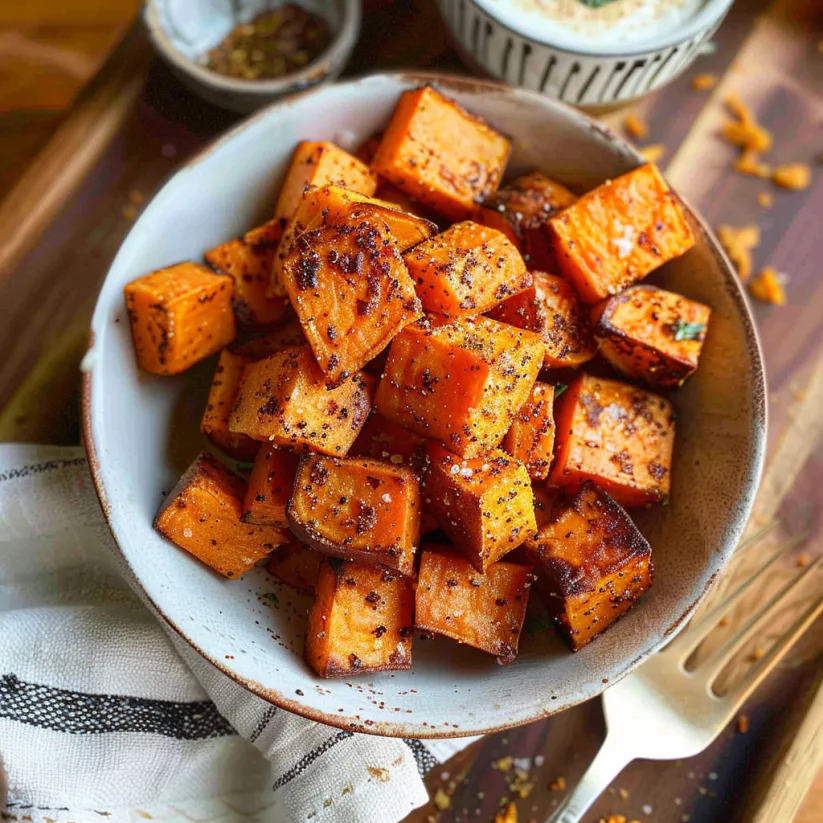
There’s something undeniably satisfying about perfectly roasted sweet potatoes. They emerge from the oven with a tender, fluffy interior and edges that have caramelized into sweet, slightly chewy little bites. This recipe is a staple in my kitchen, a simple yet effective way to transform humble sweet potatoes into a side dish that always gets requests for the recipe.
Why This Crispy Roasted Sweet Potatoes Recipe Works
This method works because it utilizes high heat and the right fat to encourage caramelization without burning.
Ingredients
- 2 large sweet potatoes (about 1.5 pounds total)
- 2 tablespoons olive oil (or another high-heat cooking oil like avocado oil)
- 1/2 teaspoon sea salt (or to taste)
- 1/4 teaspoon black pepper (freshly ground is best)
- Optional: Pinch of smoked paprika, garlic powder, or a sprinkle of brown sugar for extra flavor.
Gathering these simple ingredients is the first step toward a delicious meal. These are pantry staples for many, making this recipe accessible and easy to whip up on a weeknight or for a special occasion meal.
How to Make It
- Preheat your oven to 400°F (200°C). This higher temperature is crucial for achieving crispiness.
- Wash the sweet potatoes thoroughly under cool running water. You can peel them if you prefer a smoother texture, but I often leave the skin on for added nutrients and a bit of rustic appeal. If leaving the skin on, ensure it’s scrubbed clean.
- Cut the sweet potatoes into uniform pieces. For best results, aim for 1-inch cubes or wedges.
- Place the cut sweet potatoes in a large mixing bowl. Drizzle with the olive oil, ensuring all pieces are lightly coated.
- Season generously with salt and pepper. If you’re using any optional spices like smoked paprika or garlic powder, add them now.
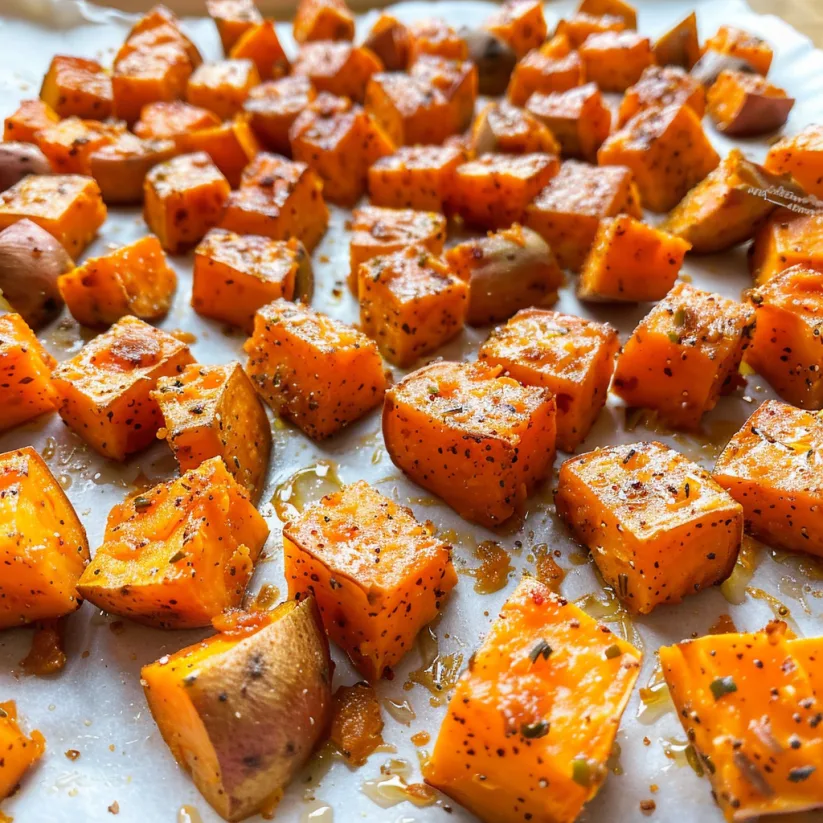
- Spread the seasoned sweet potatoes in a single layer on a large baking sheet. Avoid overcrowding the pan; this is a critical step for achieving crispy edges. If your baking sheet is too small, use two.
- Roast for 20-25 minutes, or until the edges are starting to brown and caramelize.
- Carefully flip the sweet potato pieces using a spatula. This ensures even browning on all sides.
- Continue roasting for another 10-15 minutes, or until the sweet potatoes are tender when pierced with a fork and have developed deep golden-brown, crispy edges. T
- Once done, remove from the oven and serve immediately.
Following these steps will yield deliciously crispy roasted sweet potatoes. The process is designed to maximize flavor and texture with minimal fuss, transforming simple ingredients into a delightful side or component of a larger meal.
Nutrition at a Glance
- Sweet potatoes are a good source of Vitamin A (as beta-carotene), Vitamin C, and potassium.
- They provide complex carbohydrates for sustained energy.
- The fiber content helps with digestion and can contribute to feelings of fullness.
- The amount of fat and sodium will depend on the quantity of oil and salt used in preparation.
- Calories per serving are moderate, making them a healthy addition to balanced meals.
- Rich in antioxidants, which can help protect cells from damage.
- The natural sugars in sweet potatoes offer a pleasant flavor without needing excessive additions.
- Potassium contributes to maintaining healthy blood pressure levels.
- Vitamin B6 is present, important for brain development and function.
- They are naturally gluten-free and can be enjoyed by those with celiac disease or gluten sensitivities.
- The presence of magnesium offers benefits for muscle and nerve function.
- Iron is also found in sweet potatoes, important for oxygen transport in the blood.
- Phosphorus works in conjunction with calcium for bone health.
- Manganese supports bone health and metabolism.
- Copper assists in iron absorption and energy production.
- Vitamin K plays a role in blood clotting and bone health.
- Pantothenic acid (Vitamin B5) is involved in energy metabolism.
- Niacin (Vitamin B3) supports the digestive system, skin and nerves.
- Folate (Vitamin B9) is essential for cell growth and development.
- Sweet potatoes have a relatively low glycemic index compared to regular potatoes, especially when roasted and not overcooked, which can lead to a more gradual rise in blood sugar.
- The vibrant orange color is indicative of high beta-carotene content, which the body converts to vitamin A.
- When considering dietary choices, sweet potatoes offer a nutrient-dense option that can fit into various eating patterns.
- Incorporating them into your diet can be a simple way to boost your intake of essential vitamins and minerals.
- The fiber content also aids in regulating blood sugar levels when consumed as part of a balanced meal.
- For those looking for healthy ways to increase vegetable intake, roasted sweet potatoes are a flavorful and versatile choice.
- The preparation method here, roasting with minimal oil, tends to be a healthier choice than deep-frying or mashing with large amounts of butter or cream.
How to Serve It
- As a simple side dish alongside roasted chicken, fish, or steak.
- Paired with a hearty salad for a lighter, yet satisfying meal.
- Tossed into grain bowls with quinoa, black beans, and avocado for a complete vegetarian option.
- As a sweet and savory addition to a breakfast or brunch spread, perhaps alongside eggs and bacon.
- Served with a dollop of Greek yogurt or a sprinkle of fresh herbs like parsley or chives.
Crispy roasted sweet potatoes are incredibly versatile, complementing a wide array of dishes and flavors.
Don’t miss this delicious recipe: Delicious Rosemary Roasted Potato Peelings Recipe for a Crispy Snack
Common Mistakes
- Overcrowding the pan: This is the most frequent culprit for soggy roasted sweet potatoes. When potatoes are packed too tightly, they steam instead of roast, inhibiting the development of crispy edges.
- Cutting pieces too small: While small pieces cook faster, they are also more prone to overcooking and becoming mushy.
- Not using enough oil: Oil is essential for conducting heat and achieving that desirable golden-brown, crispy exterior.
- Uneven cutting: If pieces are drastically different sizes, some will be perfectly cooked while others are undercooked or burnt. Take the time to cut into uniform shapes.
- Not flipping the potatoes: Flipping halfway through the cooking process ensures even browning and crisping on all sides.
- Oven temperature too low: Roasting at a lower temperature may result in soft, steamed potatoes rather than crisp, caramelized ones.
- Not drying the potatoes sufficiently: Excess moisture on the surface of the sweet potatoes can also lead to steaming.
- Not seasoning enough: Sweet potatoes have a naturally sweet flavor, but they benefit greatly from proper seasoning.
- Ignoring the cooking time: While times are given as guidelines, every oven is different. It’s important to visually check the potatoes for desired crispness and tenderness.
- Using the wrong kind of oil: Some oils have low smoke points and can burn at the high temperatures required for roasting, imparting an unpleasant flavor.
Avoiding these common missteps will significantly improve the outcome of your crispy roasted sweet potatoes, ensuring they are consistently delicious and satisfying.
Storage and Reheating
- Allow cooled roasted sweet potatoes to come to room temperature before storing.
- Store them in an airtight container in the refrigerator for up to 3-4 days.
- For reheating, the best method to regain crispiness is to spread them in a single layer on a baking sheet and reheat in a 375°F (190°C) oven for 10-15 minutes, or until warmed through and slightly crisped again.
- Alternatively, they can be reheated in an air fryer at 375°F (190°C) for about 5-8 minutes, shaking the basket halfway through.
- Microwaving will reheat them quickly but will likely result in a softer texture. If you must use the microwave, reheat in short intervals, checking for doneness.
- Avoid storing roasted sweet potatoes while they are still warm, as this can create condensation and lead to a softer texture upon reheating.
- If you plan to use them in a dish like a soup or stew where crispiness is not a priority, reheating in the microwave or stovetop is perfectly acceptable.
- Ensure the container you use for storage is clean and dry to prevent the growth of mold or bacteria.
- While they are best enjoyed fresh, proper storage and reheating can extend their usability and enjoyability.
- Freezing is an option, but the texture will change significantly upon thawing, becoming much softer. If freezing, it’s best to do so for use in purees or baked goods rather than as a standalone side dish.
Proper storage and reheating techniques are key to enjoying your crispy roasted sweet potatoes even after the initial meal.
Leftover Ideas
- Sweet Potato Hash: Chop cold roasted sweet potatoes and sauté them with onions, peppers, and your favorite breakfast sausage or black beans for a hearty hash.
- Salad Topper: Add chilled roasted sweet potatoes to green salads for a sweet and substantial element.
- Soup Booster: Stir diced roasted sweet potatoes into lentil soup, vegetable soup, or chili to add thickness, flavor, and a boost of nutrients.
- Grain Bowls: Incorporate them into lunch or dinner grain bowls alongside grains like quinoa or farro, protein sources, and other roasted vegetables.
- Sweet Potato Fries Reloaded: Reheat them in the air fryer until extra crisp and serve with a spicy aioli or a ranch dip.
- Mashed Sweet Potato Patties: Mash the leftover roasted sweet potatoes with a little binder like egg or flour, some herbs, and pan-fry them into savory patties.
- Sweet Potato Puree: If they are slightly softer from storage, they can be easily mashed or pureed and used as a base for baby food, a natural sweetener in baked goods, or blended into smoothies.
- Stuffed Bell Peppers: Mix diced roasted sweet potatoes with ground meat or lentils and rice, then stuff into bell peppers and bake.
- Quesadilla Filling: Mash or chop the sweet potatoes and add them as a sweet counterpoint to cheese and beans in a quesadilla.
- Sweet Potato Gratin: Layer thinly sliced leftover roasted sweet potatoes with a light cream sauce and cheese, then bake until bubbly.
Leftover crispy roasted sweet potatoes are a fantastic ingredient for transforming into new and exciting dishes. Don’t let them go to waste; get creative in the kitchen and enjoy their delicious flavor in different ways throughout the week.
PrintCrispy Roasted Sweet Potatoes
- Total Time: 45-55 minutes
- Yield: 4 servings 1x
- Diet: Vegetarian
Description
Simple and delicious Crispy Roasted Sweet Potatoes recipe. Learn how to get tender insides and perfectly caramelized, crisp edges with minimal effort. A versatile side dish perfect for any meal.
Ingredients
- 2 large sweet potatoes (about 1.5 pounds total)
- 2 tablespoons olive oil (or another high-heat cooking oil like avocado oil)
- 1/2 teaspoon sea salt (or to taste)
- 1/4 teaspoon black pepper (freshly ground is best)
- Optional: Pinch of smoked paprika, garlic powder, or a sprinkle of brown sugar for extra flavor.
Instructions
- 1. Preheat your oven to 400°F (200°C).
- 2. Wash the sweet potatoes thoroughly under cool running water. Peel if desired, or scrub clean if leaving the skin on.
- 3. Cut the sweet potatoes into uniform 1-inch cubes or wedges.
- 4. Place the cut sweet potatoes in a large mixing bowl. Drizzle with olive oil and toss to coat evenly.
- 5. Season with salt and pepper (and any optional spices). Toss again to ensure even distribution.
- 6. Spread the seasoned sweet potatoes in a single layer on a large baking sheet. Do not overcrowd the pan.
- 7. Roast for 20-25 minutes, until the edges begin to brown.
- 8. Flip the sweet potato pieces.
- 9. Continue roasting for another 10-15 minutes, or until tender and crispy.
- 10. Remove from the oven and serve immediately.
Notes
Store cooled roasted sweet potatoes in an airtight container in the refrigerator for up to 3-4 days. Reheat in a 375°F (190°C) oven on a baking sheet for 10-15 minutes for best crispiness. Avoid microwaving if crispiness is desired.
- Prep Time: 15 minutes
- Cook Time: 30-40 minutes
- Category: Side Dish
- Method: Roasting
- Cuisine: American
Nutrition
- Serving Size: 1 serving
- Calories: Approx. 150 kcal per serving (estimated)
- Sugar: Approx. 7g
- Sodium: Approx. 200mg
- Fat: Approx. 6g
- Carbohydrates: Approx. 25g
- Fiber: Approx. 4g
- Protein: Approx. 2g
1 thought on “Easy Crispy Roasted Sweet Potatoes Recipe for the Best Texture”