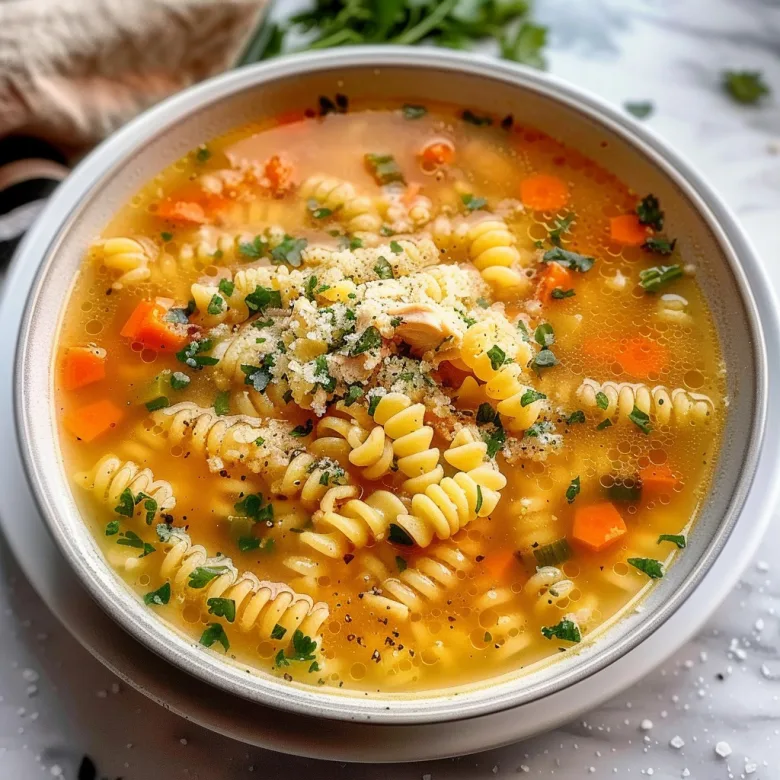
There are some dishes that just feel like a warm hug in a bowl, and this Homemade Chicken Pasta Soup is absolutely one of them. It’s the kind of meal that brings everyone to the table, a comforting classic that’s surprisingly simple to put together on a weeknight. I’ve been making a version of this for years, and it’s evolved slightly with each iteration, always aiming for that perfect balance of tender chicken, hearty pasta, and savory broth. It’s a soup that truly satisfies, and it’s built on simple, wholesome ingredients that I usually have on hand.
Why This Homemade Chicken Pasta Soup Works
This soup is a winner because it’s a complete meal that comes together without a lot of fuss. It’s flavorful without being overly complicated, utilizing pantry staples and easy-to-find fresh ingredients. Its versatility means you can adapt it to what you have, making it a reliable go-to. The combination of protein from the chicken, carbs from the pasta, and vegetables provides a balanced and satisfying experience in every spoonful.
Ingredients
- 2 tablespoons olive oil
- 1 large yellow onion, chopped
- 3 carrots, peeled and chopped
- 3 celery stalks, chopped
- 2 cloves garlic, minced
- 8 cups low-sodium chicken broth
- 2 cups cooked chicken, shredded or diced (rotisserie chicken works wonderfully)
- 1 cup small pasta (like ditalini, elbows, or orzo)
- 1 teaspoon dried Italian seasoning
- Salt and freshly ground black pepper, to taste
- 1/4 cup fresh parsley, chopped (for garnish)
- Optional: Pinch of red pepper flakes for a little warmth
Gathering these key ingredients is the first step towards a truly comforting bowl of soup that will become a family favorite. Having everything prepped and ready to go makes the cooking process smooth and enjoyable, allowing you to focus on building those delicious flavors.
A recipe worth trying: BEST Crockpot Chicken Alfredo Recipe
How to Make It
- Heat the olive oil in a large pot or Dutch oven over medium heat. Add the chopped onion, carrots, and celery. Cook, stirring occasionally, until the vegetables have softened, about 8-10 minutes. This initial sautéing of the aromatics builds a foundational layer of flavor for the entire soup. It’s crucial to let them soften and release their sweetness, rather than just steaming them.
- Add the minced garlic and cook for another minute until fragrant, being careful not to burn it. Burnt garlic can impart a bitter taste, so keep a close eye on it.
- Pour in the chicken broth. Add the cooked chicken, dried Italian seasoning, a good pinch of salt, and several grinds of black pepper. If you like a little heat, now is the time to add a pinch of red pepper flakes. Bring the soup to a boil.
- Once boiling, reduce the heat to low, cover the pot, and let it simmer for at least 15 minutes to allow the flavors to meld. This simmering time is where the magic happens, letting the chicken broth absorb the essence of the vegetables and seasonings.
- Stir in the pasta. Increase the heat slightly to bring the soup back to a gentle simmer, and cook according to the pasta package directions, usually about 8-10 minutes, until the pasta is al dente. Ensure you stir occasionally to prevent the pasta from sticking to the bottom of the pot. Overcooked pasta can make the soup mushy, so tasting it is key.
- Taste and adjust seasoning as needed. You might find it needs a little more salt, pepper, or even a touch more Italian seasoning. Stir in most of the fresh parsley just before serving, reserving some for garnish.
- Ladle the hot soup into bowls, garnish with the remaining fresh parsley, and serve.
This straightforward method ensures that you’ll have a piping hot, delicious bowl of Homemade Chicken Pasta Soup ready in about 30-40 minutes, from start to finish. It’s a recipe designed for ease and maximum flavor.
Nutrition at a Glance
- This soup is a good source of lean protein from the chicken, which is essential for muscle repair and satiety.
- The vegetables provide valuable vitamins, minerals, and fiber, contributing to overall health and digestion.
- Using low-sodium chicken broth helps to manage sodium intake, making it a healthier option for many.
- The pasta adds carbohydrates for energy, making it a filling and satisfying meal.
- The olive oil contributes healthy monounsaturated fats.
- Overall, this soup offers a balanced nutritional profile suitable for a wholesome meal.
How to Serve It
- Serve piping hot, straight from the pot, ensuring every spoonful is steaming and comforting.
- Garnish generously with fresh chopped parsley for a burst of color and freshness.
- Offer crusty bread or garlic bread on the side for dipping. This is a classic pairing that complements the soup beautifully and helps to soak up every last drop of the flavorful broth.
- A light side salad with a vinaigrette dressing can add a refreshing contrast to the hearty soup.
- For an extra touch, consider a small dollop of sour cream or a sprinkle of shredded Parmesan cheese over the top, although the soup is delightfully flavorful on its own.
The beauty of this soup lies in its simplicity; it pairs well with a variety of accompaniments, making it adaptable to any mealtime occasion, from a casual weeknight dinner to a more leisurely weekend lunch.
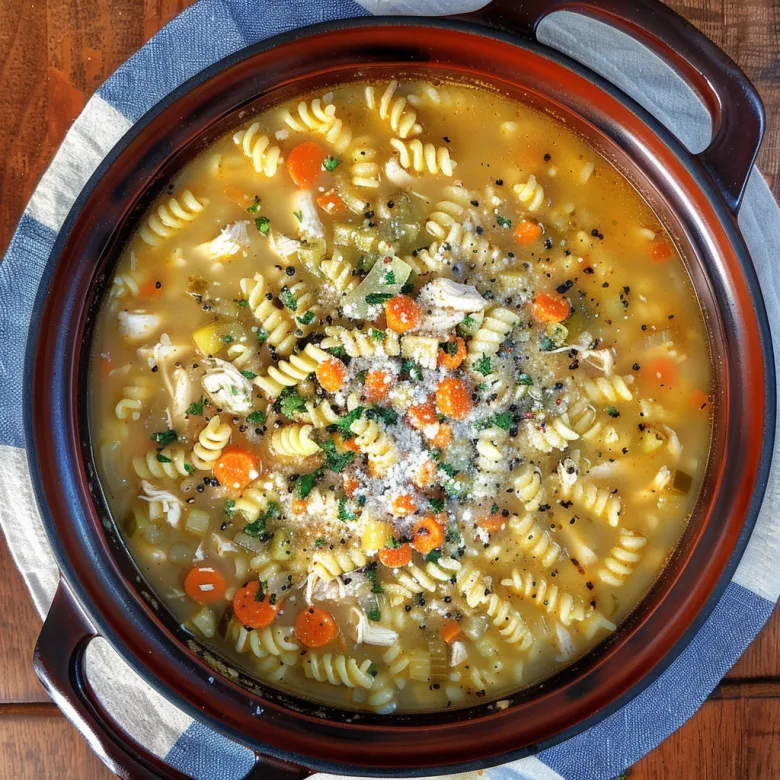
Common Mistakes
- Overcooking the Pasta: Adding pasta too early or boiling it for too long will result in mushy, waterlogged noodles. Always add it towards the end of the cooking process and cook until just al dente. Pay attention to the package directions, as different pasta shapes cook at different rates. If you plan on having leftovers, consider cooking the pasta separately and adding it to individual bowls when serving, as it will continue to absorb liquid in the fridge.
- Not Sautéing the Aromatics Enough: Skipping or rushing the step of sautéing the onion, carrots, and celery means you miss out on building a deep flavor base. These vegetables release their natural sugars when cooked slowly, contributing sweetness and complexity to the broth. Aim for them to be tender and slightly softened, not just warmed through.
- Using Too Much Salt Too Soon: Chicken broth itself can contain a fair amount of sodium, especially if you’re not using a low-sodium variety. It’s best to add salt gradually throughout the cooking process, tasting as you go. You can always add more salt at the end, but you can’t take it away once it’s in.
- Not Bringing to a Proper Simmer: While you don’t want a rolling boil after adding the pasta, letting the soup simmer allows the flavors to meld and deepen. Ensure the soup is maintaining a gentle, consistent simmer throughout the recommended cooking times for maximum flavor development.
- Rushing the Flavor Development: The simmering time for the broth is important. While it can be tempting to rush, those 15-20 minutes of simmering after adding the broth and chicken allow the ingredients to truly marry and create a more robust and satisfying soup.
Avoiding these common pitfalls will ensure your Homemade Chicken Pasta Soup is consistently delicious and satisfying, with perfectly cooked pasta and a rich, well-developed broth.
Storage and Reheating
- To Store: Allow the soup to cool completely before transferring it to an airtight container. It can be stored in the refrigerator for up to 3-4 days. Ensure the container is well-sealed to maintain freshness and prevent any odors from being absorbed.
- To Reheat on Stovetop: The best way to reheat this soup is on the stovetop. Pour the desired amount into a saucepan and gently heat over medium-low heat, stirring occasionally, until thoroughly warmed through. You may need to add a little extra chicken broth or water if the soup has become too thick from the pasta absorbing liquid.
- To Reheat in Microwave: Alternatively, you can reheat individual portions in a microwave-safe bowl. Heat on medium power in 30-second intervals, stirring between each interval, until hot. Be cautious to avoid overheating, which can make the pasta mushy.
- Freezing: While this soup can be frozen, be aware that the pasta may become softer upon thawing. To freeze, allow the soup to cool completely, then transfer it to freezer-safe containers or bags, leaving a little headspace for expansion. It can be frozen for up to 2-3 months. Thaw overnight in the refrigerator before reheating on the stovetop. For best results with frozen soup, you might consider cooking the pasta separately and adding it after reheating.
Proper storage and reheating are key to enjoying your Homemade Chicken Pasta Soup even days after it’s made, maintaining its deliciousness with minimal effort.
Leftover Ideas
- Pasta Salad Base: If you have a lot of leftover soup with cooked pasta, drain off most of the broth and use the chicken, vegetables, and pasta as a base for a hearty chicken pasta salad. Toss with your favorite salad dressing, some chopped celery, or a dollop of mayonnaise.
- Savory Hand Pies: Use the leftover soup (especially if the pasta has softened) as a filling for savory hand pies or potpies. Thicken the soup slightly if needed, pour into small pastry shells, top with another pastry round, crimp, and bake until golden.
- Sandwich Filling: Shredded chicken and vegetables from the soup, with a little bit of the broth for moisture, can make a wonderful filling for a warm sandwich or wrap.
- Base for Rice or Quinoa Bowls: Reheat the leftover soup and serve it over a bed of cooked rice or quinoa. The broth will be absorbed, creating a flavorful and filling grain bowl.
- Enrich a New Batch: If you are making another batch of soup soon, you can add some of the leftover soup to the new pot during the simmering stage to boost the flavor.
These ideas allow you to transform any remnants of your Homemade Chicken Pasta Soup into entirely new and delightful dishes, minimizing waste and maximizing enjoyment.
PrintHomemade Chicken Pasta Soup
- Total Time: 40 minutes
- Yield: 6 servings 1x
Description
A comforting and easy Homemade Chicken Pasta Soup recipe packed with tender chicken, vegetables, and pasta. This is a weeknight-friendly meal that brings warmth to any table.
Ingredients
- 2 tablespoons olive oil
- 1 large yellow onion, chopped
- 3 carrots, peeled and chopped
- 3 celery stalks, chopped
- 2 cloves garlic, minced
- 8 cups low-sodium chicken broth
- 2 cups cooked chicken, shredded or diced (rotisserie chicken works wonderfully)
- 1 cup small pasta (like ditalini, elbows, or orzo)
- 1 teaspoon dried Italian seasoning
- Salt and freshly ground black pepper, to taste
- 1/4 cup fresh parsley, chopped (for garnish)
- Optional: Pinch of red pepper flakes for a little warmth
Instructions
- 1. Heat the olive oil in a large pot or Dutch oven over medium heat. Add the chopped onion, carrots, and celery. Cook, stirring occasionally, until the vegetables have softened, about 8-10 minutes.
- 2. Add the minced garlic and cook for another minute until fragrant, being careful not to burn it.
- 3. Pour in the chicken broth. Add the cooked chicken, dried Italian seasoning, a good pinch of salt, and several grinds of black pepper. If you like a little heat, now is the time to add a pinch of red pepper flakes. Bring the soup to a boil.
- 4. Once boiling, reduce the heat to low, cover the pot, and let it simmer for at least 15 minutes to allow the flavors to meld.
- 5. Stir in the pasta. Increase the heat slightly to bring the soup back to a gentle simmer, and cook according to the pasta package directions, usually about 8-10 minutes, until the pasta is al dente.
- 6. Taste and adjust seasoning as needed. Stir in most of the fresh parsley just before serving, reserving some for garnish.
- 7. Ladle the hot soup into bowls, garnish with the remaining fresh parsley, and serve.
Notes
Allow soup to cool completely before storing in an airtight container in the refrigerator for up to 3-4 days. Reheat gently on the stovetop or in the microwave. For freezing, cook pasta separately if preferred, and freeze for up to 2-3 months. Thaw overnight in the refrigerator before reheating.
- Prep Time: 15 minutes
- Cook Time: 25 minutes
- Category: Soup
- Method: Stovetop
- Cuisine: American
Nutrition
- Serving Size: 1.5 cups
- Calories: Approx. 300-350 per serving (varies based on chicken and sodium)
- Sugar: Approx. 5-8g
- Sodium: Approx. 600-800mg (using low-sodium broth)
- Fat: Approx. 10-15g
- Carbohydrates: Approx. 30-35g
- Fiber: Approx. 3-5g
- Protein: Approx. 20-25g