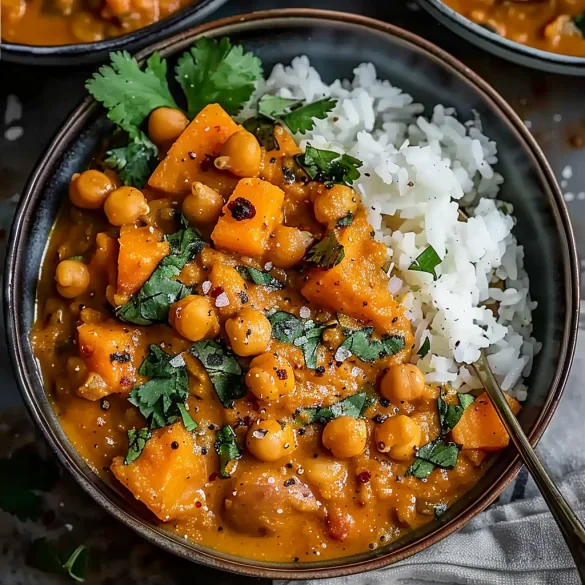
This Sweet Potato and Chickpea Curry is a comforting and flavorful dish that has become a staple in my kitchen. It’s simple enough for a weeknight but satisfying enough for guests.
Why This Sweet Potato and Chickpea Curry Works
This curry strikes a delightful balance between creamy, savory, and subtly sweet. The star ingredients, sweet potatoes and chickpeas, provide a hearty and nutritious base. The warming spices create a depth of flavor that’s both comforting and exciting, making it a go-to for a wholesome meal.
Ingredients
Here’s what you’ll need to bring this delicious curry to life. I always try to use fresh ingredients whenever possible, as it really does make a difference in the final taste.
- For the Curry Base:
- 2 tablespoons coconut oil or olive oil
- 1 large onion, finely chopped
- 3 cloves garlic, minced
- 1 tablespoon grated fresh ginger
- 1 teaspoon ground cumin
- 1 teaspoon ground coriander
- ½ teaspoon turmeric powder
- ¼ teaspoon cayenne pepper (or to taste, adjust for desired heat)
- ½ teaspoon garam masala
- 1 (14.5 ounce) can diced tomatoes, undrained
- For the Heart of the Curry:
- 2 medium sweet potatoes (about 1.5 pounds total), peeled and cut into 1-inch cubes
- 2 (15-ounce) cans chickpeas, drained and rinsed
- 1 (13.5 ounce) can full-fat coconut milk
- 1 cup vegetable broth
- 1 tablespoon fresh lime juice
- Salt, to taste
- Freshly ground black pepper, to taste
- Optional Garnishes (highly recommended for that extra zing!):
- Fresh cilantro, chopped
- Toasted cashews or almonds
- A dollop of plain yogurt or coconut yogurt for creaminess
- A drizzle of sriracha or a few fresh chili slices for extra heat
Gathering all your ingredients before you start cooking is a practice I highly recommend. It makes the actual cooking process much smoother and less stressful, allowing you to focus on the steps rather than scrambling to find something.
You might love this: High-Protein Chickpea And Chicken Soup
How to Make It
- Sauté Aromatics and Spices: Heat the coconut oil or olive oil in a large pot or Dutch oven over medium heat. Add the chopped onion and cook, stirring occasionally, until softened and translucent, about 5-7 minutes. Add the minced garlic and grated ginger, and cook for another minute until fragrant. Stir in the ground cumin, coriander, turmeric, cayenne pepper, and garam masala. Cook, stirring constantly, for about 30-60 seconds until the spices are fragrant. This blooming of the spices in the oil helps to release their full flavor and aroma. It’s a crucial step that elevates the overall complexity of the curry. If you’ve ever eaten a curry that tastes a bit flat or one-dimensional, it might be because this step was rushed or skipped. The gentle heat awakens the essential oils in the ground spices, making them more potent and enjoyable. Be sure not to burn them; if you see any dark flecks, reduce the heat slightly. Pay attention to the aroma – it should be warm and inviting. Properly blooming spices is a technique that pays dividends in almost any dish featuring them. It’s not just about cooking them; it’s about coaxing out their best qualities. The aroma should be pronounced and complex, filling your kitchen with anticipation.
- Add Tomatoes and Sweet Potatoes: Pour in the can of diced tomatoes (with their juices). Stir well, scraping up any browned bits from the bottom of the pot. Add the cubed sweet potatoes and stir to coat them with the onion and spice mixture. Cook for about 5 minutes, stirring occasionally, allowing the sweet potatoes to begin softening and absorbing some of the flavors. This brief sauté helps to build another layer of flavor before the liquid is added. It also gives the sweet potatoes a head start on cooking, reducing the overall simmering time needed to achieve tender results without turning them to mush. I find that even a short period of agitation with the spices and tomatoes makes a noticeable difference. The sugars in the tomatoes will start to caramelize slightly, adding a touch of sweetness. This initial cooking phase for the sweet potatoes is about more than just heat; it’s about allowing them to begin to absorb some of the savory and spicy notes from the sautéed aromatics and spices. This helps to integrate them into the overall flavor profile of the curry from the outset, rather than them tasting just like boiled sweet potatoes in a spiced sauce. The slightly caramelized edges that can form during this stage add an extra dimension of complexity.
- Simmer the Curry: Pour in the full-fat coconut milk and vegetable broth. Stir everything together, ensuring the sweet potatoes are mostly submerged. Bring the mixture to a gentle simmer. Once simmering, reduce the heat to low, cover the pot, and let it cook for 15-20 minutes, or until the sweet potatoes are fork-tender. Stir occasionally to prevent sticking. The goal here is for the sweet potatoes to become tender but not fall apart completely. You should be able to easily pierce them with a fork. If the curry seems too thick at any point, you can add a splash more vegetable broth or water to reach your desired consistency. I like my curries to be thick enough to coat the back of a spoon, but not so dense that they are difficult to serve. If the sweet potatoes are older or denser, they might take a bit longer to cook; conversely, if they are very fresh and soft, they might cook faster. It’s always best to check for tenderness rather than relying solely on the clock. This is the stage where the ingredients truly begin to meld and harmonize. The liquid reduces slightly, concentrating the flavors, while the sweet potatoes release some of their starches, contributing to the curry’s body. Maintaining a gentle simmer is key; a vigorous boil can break down the sweet potatoes too quickly and make the sauce too watery. Covering the pot traps steam, aiding in even cooking without requiring constant stirring.
- Add Chickpeas and Finish: Stir in the drained and rinsed chickpeas. Continue to simmer, uncovered, for another 5-10 minutes, allowing the chickpeas to heat through and the flavors to meld. This final simmering period is also when the sauce will likely thicken slightly as the starches from the sweet potatoes and chickpeas are released. You can taste and adjust the seasoning at this stage. Add salt and freshly ground black pepper as needed. Stir in the fresh lime juice just before serving. The lime juice brightens the flavors of the curry and adds a lovely hint of acidity that balances the richness of the coconut milk and the sweetness of the potatoes. This bright, fresh finish is something I never skip, as it truly wakes up the dish and makes all the other flavors pop. Adding the chickpeas at this stage ensures they are heated through without becoming mushy. They absorb some of the curry sauce, becoming little flavor bombs. The uncovered simmering in this final step allows any excess moisture to evaporate, achieving that desirable, slightly thicker curry consistency. Tasting and adjusting is the most important part of finishing any dish; your palate is the ultimate judge.
- Serve: Ladle the Sweet Potato and Chickpea Curry into bowls and garnish as desired.
This entire process, from chopping to serving, typically takes around 35-45 minutes, making it a perfectly manageable weeknight meal.
Nutrition at a Glance
- Rich in Fiber: Sweet potatoes and chickpeas are excellent sources of dietary fiber, which aids digestion and promotes satiety. The fiber content helps you feel fuller for longer, making this a great option for those managing their weight or simply seeking a more satisfying meal.
- Vitamins and Minerals: Sweet potatoes provide Vitamin A (in the form of beta-carotene), Vitamin C, and potassium. Chickpeas contribute iron, folate, and magnesium. The beta-carotene in sweet potatoes is converted to Vitamin A in the body, which is crucial for vision, immune function, and skin health. Potassium is vital for maintaining healthy blood pressure.
- Healthy Fats: Coconut milk contributes medium-chain triglycerides (MCTs), which are a type of healthy fat that can be easily digested and used for energy. These fats also contribute to the creamy texture of the curry.
- Plant-Based Protein: Chickpeas offer a good source of plant-based protein, making this a substantial vegetarian meal. Protein is essential for building and repairing tissues, and for overall satiety.
- Antioxidants: The turmeric and other spices in the curry contain antioxidants that can help protect your body from cellular damage. Turmeric, in particular, contains curcumin, a powerful compound with known anti-inflammatory and antioxidant effects.
- Generally Lower in Sodium (depending on broth choice): By using low-sodium broth and controlling added salt, you can keep the sodium content in check. The use of canned diced tomatoes and canned chickpeas are generally the main sources of sodium, so rinsing the chickpeas is a good practice. Being mindful of these components allows for a healthier overall dish.
It’s important to remember that nutritional values can vary based on specific ingredients used (e.g., the exact brand of coconut milk, the size of the sweet potatoes) and portion sizes. This curry is a fantastic way to load up on plant-based goodness without feeling deprived.
How to Serve It
- With Grains: The most classic accompaniment is fluffy basmati rice or jasmine rice. The rice acts as a perfect canvas to soak up the flavorful curry sauce. Quinoa is another excellent, slightly healthier alternative, offering more protein and fiber. Brown rice also works well for a more complex carbohydrate boost and a nuttier flavor. I often cook rice just before serving, so it’s warm and fragrant, ready to perfectly complement the curry.
- With Bread: Warm naan bread or roti is wonderful for scooping up every last drop of the curry. The slightly chewy texture of the bread is a delightful contrast to the soft vegetables and creamy sauce. Toasted crusty bread can also be a satisfying option, though less traditional, and it’s great for soaking up any leftover sauce at the bottom of the bowl.
- As a Standalone Meal: This curry is hearty enough to be enjoyed on its own, especially if you’re looking for a lighter meal or don’t want the added carbs. It’s a complete meal in a bowl, offering a good balance of macronutrients.
- With a Side Salad: A simple green salad with a light vinaigrette can offer a refreshing contrast to the richness of the curry. Think of it as a palate cleanser between bites of the flavorful curry. This is especially nice if you’re serving this at a gathering and want to offer a lighter option alongside.
- Topped with Fresh Herbs and Nuts: A generous sprinkle of fresh cilantro, chopped toasted cashews or almonds, and a swirl of plain yogurt (or coconut yogurt for a dairy-free option) adds texture, freshness, and a touch of creamy coolness that really elevates the dish. A squeeze of extra lime can also be a welcome addition for those who enjoy a tangier profile. The herbaceousness of cilantro is particularly effective at cutting through the richness.
- With Other Vegetables: Sometimes, I’ll stir in a handful of spinach or kale in the last few minutes of cooking to wilt into the curry, adding even more greens and nutrients. Other quick-cooking vegetables like peas or green beans can also be added for more color and texture. This is a great way to boost the vegetable content of an already healthy dish.
Choosing how to serve your curry can significantly change the overall eating experience. Relying on just the curry itself makes for a very focused and flavorful dish. Adding rice or bread provides a more substantial meal and a different textural contrast.
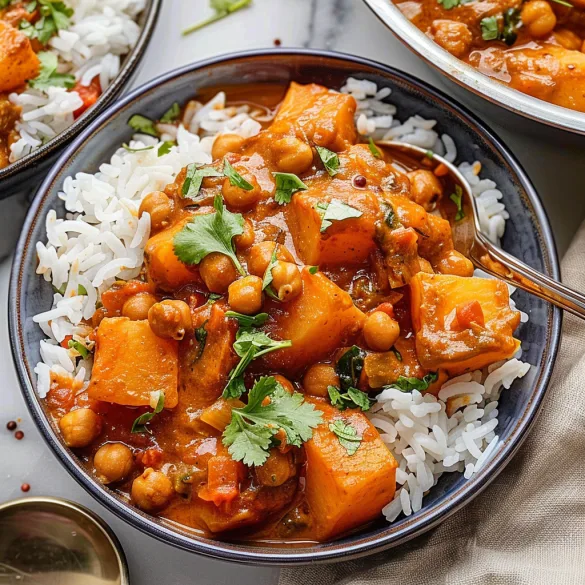
Common Mistakes
- Under-blooming the Spices: Not sautéing the ground spices in the hot oil for long enough (or at all) before adding liquid can result in a curry that tastes bland or lacks depth. The heat awakens the aromatics in the spices, making them much more vibrant. This is a common oversight that can significantly impact the final flavor. If you’re unsure, err on the side of caution and let them sizzle for a full minute, enjoying the aromatic transformation.
- Over-stirring the Sweet Potatoes: While you need to stir to prevent sticking, vigorous or constant stirring once the sweet potatoes are tender can cause them to break down too much, leading to a mushy curry rather than one with distinct chunks of potato. A gentle stir is all that’s needed. The goal is tender sweet potatoes, not sweet potato puree within the sauce.
- Not Tasting and Adjusting Seasoning: Relying solely on the amounts listed in the recipe without tasting can mean you miss out on crucial adjustments. Salt and pepper are key, and the lime juice is vital for brightness. Different brands of canned goods can also vary in their inherent saltiness, so it’s essential to taste and adjust at the end. This is a fundamental cooking principle, but it’s especially important in dishes with multiple components and spices.
- Using Low-Fat Coconut Milk: While tempting for health reasons, using light or low-fat coconut milk will result in a curry that is less creamy and rich. Full-fat coconut milk is essential for that characteristic velvety texture and satisfying mouthfeel. The fat in the coconut milk is what emulsifies the sauce and makes it coat the ingredients beautifully, providing a luxurious eating experience.
- Skipping the Lime Juice: The acidity from the lime juice is critical for balancing the sweetness of the sweet potatoes and the richness of the coconut milk. It brightens the entire dish and prevents it from tasting overly heavy or cloying. It’s often the “secret ingredient” that makes a curry truly sing and elevates it from good to memorable. Make sure to use fresh lime juice; bottled versions can lack that vibrant tang.
- Rushing the Simmering Time: Allowing the curry to simmer for the recommended time is crucial for the sweet potatoes to cook through properly and for the flavors to meld together. Undercooked potatoes are not pleasant, and under-simmered curry will taste like its individual components rather than a cohesive dish. Patience during the simmering stage allows for the development of deep, complex flavors.
Being mindful of these points can help ensure your Sweet Potato and Chickpea Curry is consistently delicious. Paying attention to the aroma of the spices as they bloom, gently stirring to avoid breaking down the main ingredients, and always taking a moment to taste and adjust seasoning are foundational cooking skills that apply beautifully here.
Storage and Reheating
- Storage: Allow the curry to cool completely before transferring it to an airtight container. Store it in the refrigerator for up to 3-4 days. The flavors often meld and deepen overnight, making leftovers taste even better. It’s important to cool it reasonably quickly to prevent bacterial growth. Don’t leave it sitting out at room temperature for too long; aim to refrigerate it within two hours of cooking. Freezing is also an option, and it will keep in the freezer for up to 2-3 months. Ensure it’s in a freezer-safe, airtight container, and thaw it overnight in the refrigerator before reheating.
- Reheating: For best results, reheat the curry gently on the stovetop over low to medium heat, stirring occasionally. You may need to add a splash of water or vegetable broth to loosen it up, as it can thicken considerably upon standing. This method helps to redistribute the heat evenly and maintain the texture. Alternatively, you can reheat individual portions in the microwave. Cover the container loosely to prevent splattering and heat in 1-minute intervals, stirring in between, until heated through. Be patient, as microwaves can sometimes heat unevenly. Ensure the curry is piping hot before serving to kill any potential bacteria. I often find that a low and slow reheat on the stovetop preserves the texture slightly better than microwaving, especially for the sweet potatoes, preventing them from becoming overly soft or mushy.
Proper storage is key to maintaining food safety and quality. Using quality airtight containers that are the right size for your leftovers will prevent freezer burn if you decide to freeze portions (though this curry is best fresh or refrigerated).
Leftover Ideas
- Curry Wraps or Tacos: Warm the leftover curry and spoon it into warm tortillas or taco shells. Top with shredded lettuce, a dollop of plain yogurt or sour cream, and perhaps some salsa or hot sauce for a quick and satisfying lunch or dinner. The spiced curry filling is a fantastic and flavorful alternative to traditional taco fillings.
- Stuffed Sweet Potatoes: Reheat the curry and spoon it over baked sweet potatoes. The creamy, savory curry is a fantastic topping for the naturally sweet, tender potato, creating a hearty and complete meal. This is a simple yet delicious way to repurpose leftovers.
- Savory Curry Pancakes or Waffles: Whisk some leftover curry into your favorite pancake or waffle batter. The spices will infuse the batter, creating a unique and flavorful breakfast or brunch. Serve with a side of extra yogurt or a sprinkle of fresh herbs. This is a more adventurous idea but one that yields surprisingly delicious results.
- Add to a Grain Bowl: Use the leftover curry as a flavorful base for a grain bowl. Serve it over cooked quinoa, farro, or brown rice, and add your favorite raw or roasted vegetables, some greens, and a drizzle of tahini or a squeeze of lemon for a complete and customizable meal.
- Curry Omelets or Scrambled Eggs: Stir a spoonful or two of the leftover curry into whisked eggs before scrambling or making an omelet. It adds a wonderful depth of flavor and a beautiful color to your morning eggs, making breakfast feel a little more special.
- Savory Chickpea and Sweet Potato Patties: Mash the leftover curry a bit further if needed to break down the sweet potato chunks, add a binder like a bit of flour or breadcrumbs, shape into patties, and pan-fry until golden brown. These can be served on their own, with a dipping sauce, or even in a bun for a quick burger-style meal.
The versatility of this dish means you can enjoy its comforting flavors in multiple ways throughout the week. Getting creative with leftovers is a hallmark of a practical and resourceful home cook, and this curry provides ample opportunity for culinary exploration. The key is to think about how the curry’s flavors and textures can complement other ingredients or be the star of a new creation.
PrintSweet Potato and Chickpea Curry
- Total Time: 45 minutes
- Yield: 4–6 servings 1x
- Diet: Vegetarian
Description
A comforting and flavorful Sweet Potato and Chickpea Curry made with simple ingredients and warming spices. This hearty vegetarian dish is easy to make and perfect for weeknight dinners.
Ingredients
- 2 tablespoons coconut oil or olive oil
- 1 large onion, finely chopped
- 3 cloves garlic, minced
- 1 tablespoon grated fresh ginger
- 1 teaspoon ground cumin
- 1 teaspoon ground coriander
- ½ teaspoon turmeric powder
- ¼ teaspoon cayenne pepper (or to taste)
- ½ teaspoon garam masala
- 1 (14.5 ounce) can diced tomatoes, undrained
- 2 medium sweet potatoes (about 1.5 pounds total), peeled and cut into 1-inch cubes
- 2 (15-ounce) cans chickpeas, drained and rinsed
- 1 (13.5 ounce) can full-fat coconut milk
- 1 cup vegetable broth
- 1 tablespoon fresh lime juice
- Salt, to taste
- Freshly ground black pepper, to taste
- Optional Garnishes: Fresh cilantro, toasted cashews, plain yogurt
Instructions
- 1. Heat coconut oil or olive oil in a large pot or Dutch oven over medium heat. Add the chopped onion and cook until softened and translucent, about 5-7 minutes.
- 2. Add the minced garlic and grated ginger, and cook for another minute until fragrant.
- 3. Stir in the ground cumin, coriander, turmeric, cayenne pepper, and garam masala. Cook, stirring constantly, for about 30-60 seconds until fragrant.
- 4. Pour in the can of diced tomatoes (with their juices). Stir well, scraping up any browned bits.
- 5. Add the cubed sweet potatoes and stir to coat them with the onion and spice mixture. Cook for about 5 minutes, stirring occasionally.
- 6. Pour in the full-fat coconut milk and vegetable broth. Stir everything together and bring to a gentle simmer.
- 7. Reduce heat to low, cover the pot, and simmer for 15-20 minutes, or until sweet potatoes are fork-tender. Stir occasionally.
- 8. Stir in the drained and rinsed chickpeas. Continue to simmer, uncovered, for another 5-10 minutes, allowing chickpeas to heat through and flavors to meld.
- 9. Taste and adjust seasoning with salt and pepper. Stir in fresh lime juice just before serving.
- 10. Ladle into bowls and garnish as desired.
Notes
Store cooled curry in an airtight container in the refrigerator for up to 3-4 days. Reheat gently on the stovetop or in the microwave, adding a splash of liquid if needed.
- Prep Time: 15 minutes
- Cook Time: 30 minutes
- Category: Main Course
- Method: Stovetop
- Cuisine: Indian-inspired
Nutrition
- Serving Size: 1 serving
- Calories: Approx. 400
- Sugar: 15g
- Sodium: 400mg
- Fat: 20g
- Carbohydrates: 45g
- Fiber: 10g
- Protein: 12g
3 thoughts on “Easy Sweet Potato and Chickpea Curry Recipe for a Hearty Vegetarian Meal”