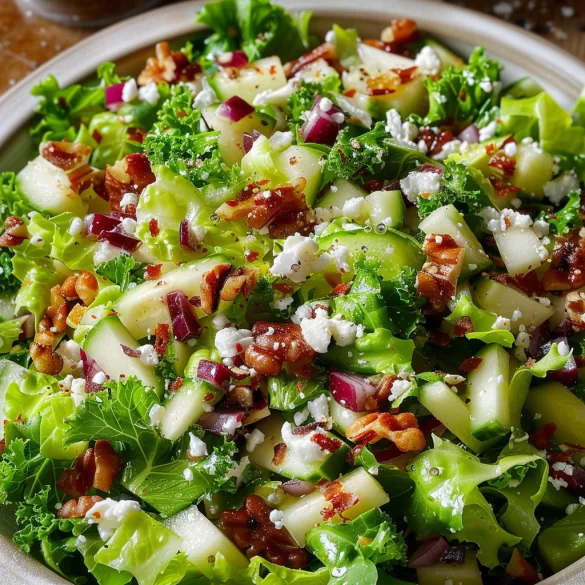
This vibrant salad, inspired by Ina Garten’s classic, is a refreshing departure from the usual. It’s packed with wholesome ingredients and a zesty dressing that ties everything together beautifully, making it a go-to for lunches or light dinners.
Why This Ina Garten Cape Cod Salad Recipe Works
This Ina Garten Cape Cod Salad Recipe offers a delightful combination of textures and flavors. The crisp vegetables, creamy avocado, and the bright, tangy dressing create a balanced and satisfying dish.
Ingredients
- 1 pound boneless, skinless chicken breasts (about 2 large breasts)
- 2 tablespoons olive oil, plus more for cooking
- 1/2 teaspoon salt
- 1/4 teaspoon black pepper
- 1 head of romaine lettuce, chopped
- 1 pint cherry tomatoes, halved
- 1 cup cooked corn kernels (fresh, frozen, or canned, drained)
- 1/2 cup cooked cannellini beans, rinsed and drained
- 1 ripe avocado, diced
- 1/4 cup thinly sliced red onion
- 1/4 cup chopped fresh cilantro
- 1/4 cup crumbled feta cheese (optional, for an extra savory note)
For the Lemon-Dijon Vinaigrette:
- 1/4 cup fresh lemon juice (from about 1-2 lemons)
- 2 tablespoons olive oil
- 1 tablespoon Dijon mustard
- 1 teaspoon honey or maple syrup
- 1/4 teaspoon salt
- 1/8 teaspoon black pepper
Try this recipe too: Greek Lemon Feta Roasted Potatoes
How to Make It
- Cook the Chicken: Preheat your grill or a large skillet over medium-high heat. Pat the chicken breasts dry with paper towels. Rub them with 1 tablespoon of olive oil, season with salt and pepper. Cook the chicken for 6-8 minutes per side, or until cooked through and an internal temperature of 165°F (74°C) is reached. Let the chicken rest for 5-10 minutes before dicing into bite-sized pieces. This resting period is crucial for keeping the chicken moist and tender. You can also poach or bake the chicken if grilling or pan-searing isn’t an option. For poaching, simply simmer the seasoned chicken breasts in water or broth until cooked through. For baking, place seasoned chicken on a baking sheet and bake at 375°F (190°C) for 20-25 minutes, or until cooked through.
- Prepare the Vinaigrette: In a small bowl or a jar, whisk together the lemon juice, 2 tablespoons of olive oil, Dijon mustard, honey (or maple syrup), salt, and pepper until well combined and emulsified. Taste and adjust seasonings as needed. If you prefer a thinner dressing, add a touch more olive oil or lemon juice. For a richer dressing, a tiny bit more honey can be added, but be careful not to make it too sweet. I often make this dressing first so the flavors have a chance to meld while I prepare the other components of the salad. A small jar with a tight-fitting lid is excellent for shaking this dressing; it ensures a good emulsification.
- Assemble the Salad: In a large bowl, combine the chopped romaine lettuce, halved cherry tomatoes, cooked corn kernels, and rinsed cannellini beans. Add the diced avocado, thinly sliced red onion, and chopped cilantro. If using, add the crumbled feta cheese. Assembling the salad is where all the vibrant colors and textures come together, creating a visually appealing as well as delicious dish. I like to start with the sturdier ingredients at the bottom, like the romaine lettuce and beans, and then layer the more delicate items on top. Chopping the romaine lettuce into bite-sized pieces is crucial for ease of eating. You want pieces of lettuce that are a good size for your fork, not too large and not too small. Cherry tomatoes, halved, provide beautiful bursts of color and a sweet, acidic counterpoint to the other components.
- Dress and Toss: Add the diced, cooked chicken to the salad bowl. Drizzle about half of the vinaigrette over the salad. Gently toss everything together to coat evenly. Add more dressing as needed, to your preference. You want the ingredients to be lightly coated, not swimming in dressing. It’s always better to start with less and add more. The goal is to enhance the flavors of the individual components, not to overpower them. This is arguably the most critical step in ensuring the salad is perfectly balanced. Gently tossing is key. I use large salad tongs or my hands (washed thoroughly, of course!) to carefully mix the ingredients.
- Serve: Divide the salad among serving plates. You can also serve it family-style from the large bowl. For an extra touch, you might garnish with a few more sprigs of cilantro or a sprinkle of feta. Serving this salad can be done in a few ways, depending on the occasion. If it’s a casual weeknight dinner, serving it directly from the large bowl family-style is convenient and encourages sharing. For a slightly more formal setting, or if you’re packing lunches, dividing it into individual bowls or plates is a good approach. I find that a colorful salad plate really enhances the visual appeal of the dish.
This assembled salad is a vibrant and tasty dish, ready to be enjoyed. It’s a straightforward process that yields impressive results, making it a staple in my rotation. My kitchen often fills with the bright, fresh aroma of lemon and cilantro when I make this salad, a scent that immediately signals a healthy and delicious meal is about to be served. It’s the kind of dish that makes you feel good about what you’re eating.
Nutrition at a Glance
- Lean Protein: The chicken breast provides a good source of lean protein, essential for muscle repair and satiety. This protein helps you feel fuller for longer, making it a great meal option. Chicken is a complete protein, containing all nine essential amino acids.
- Vitamins and Minerals: Romaine lettuce is a good source of vitamins A and K, crucial for vision and bone health respectively. Tomatoes offer vitamin C, an antioxidant, and lycopene, known for its health benefits. Corn contributes B vitamins, such as folate and thiamine, and minerals like magnesium. Cannellini beans add plant-based protein, fiber, and are a good source of iron and potassium. Avocado is rich in healthy monounsaturated fats, potassium (more than bananas!), and vitamins E and K.
- Healthy Fats: The avocado and olive oil in the dressing contribute beneficial monounsaturated fats, which are good for heart health. These fats help lower bad cholesterol and raise good cholesterol when consumed as part of a balanced diet.
- Fiber: The combination of vegetables and beans provides dietary fiber, crucial for digestive health and a feeling of fullness. Fiber also plays a role in regulating blood sugar levels and can contribute to weight management. A diet rich in fiber is associated with a reduced risk of chronic diseases.
- Antioxidants: Many of the ingredients, like tomatoes and leafy greens, are packed with antioxidants that help protect your body from damage caused by free radicals. These compounds are vital for overall cellular health and can contribute to a stronger immune system.
While exact nutritional values will vary based on portion sizes and specific ingredients used (e.g., type of beans, amount of cheese), this salad is designed to be a well-rounded, nutrient-dense meal. It’s a great way to get a variety of essential vitamins and minerals in one delicious serving. The dressing, while flavorful, is kept relatively light, focusing on fresh lemon and good quality olive oil, avoiding heavy creams or excessive sugars.
How to Serve It
- As a Main Course: Serve a generous portion as a complete and satisfying lunch or light dinner. The protein from the chicken and beans, combined with the fiber from the vegetables, makes it a filling option. It’s hearty enough to stand on its own, providing a balanced meal without needing additional components for satiety.
- As a Side Dish: Offer a smaller portion as a refreshing accompaniment to grilled fish, roasted chicken, or a hearty soup. It adds a burst of freshness and color to any meal, cutting through richness and providing a palate cleanser.
- For Potlucks and Picnics: This salad travels well and is a popular choice for gatherings. Keep the dressing separate until just before serving to prevent the greens from wilting, especially if it’s a warm day. You can pre-assemble the non-dressing ingredients and pack the dressing in a small container. This preparation method ensures that even after transport, the salad remains crisp and appealing.
- With Crusty Bread: A warm, crusty baguette or sourdough is excellent for sopping up any leftover vinaigrette at the bottom of the bowl. This adds an extra satisfying element to the meal and ensures no trace of the delicious dressing is wasted.
- Garnished with Extra Goodies: Consider adding a sprinkle of toasted sunflower seeds or pumpkin seeds for an added crunch, or a few capers for a briny kick that complements the lemon dressing. These small additions can significantly elevate the texture and flavor profile of the salad. Another great addition could be a sprinkle of toasted almonds for a nutty crunch.
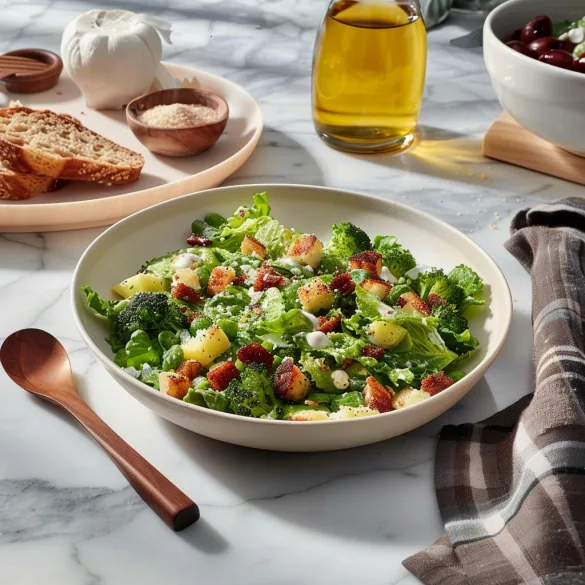
This salad is designed to be vibrant and appealing on its own, but its adaptability makes it a star in many dining scenarios. It’s the kind of dish that looks as good as it tastes, a quality I always appreciate in my home cooking. The colors alone make it an attractive addition to any table setting
Common Mistakes
- Overdressing the Salad: Adding too much vinaigrette can make the salad soggy and overpower the fresh flavors of the ingredients. Start with about half of the dressing and toss gently, adding more only if needed. This is a frequent issue with salads in general; it’s always better to err on the side of caution with dressing.
- Not Resting the Chicken: Cutting into the chicken immediately after cooking will cause its juices to run out, resulting in dry, less flavorful meat. Allowing it to rest for 5-10 minutes lets the juices redistribute throughout the breast. This simple step is a cornerstone of tender, moist chicken.
- Using Unripe Avocado: An unripe avocado will be hard and lack creaminess, detracting from the salad’s texture. Look for an avocado that yields to gentle pressure. Conversely, an overripe avocado can be mushy and brown, which isn’t ideal for a fresh salad. The “gentle pressure test” is my go-to for selecting the perfect avocado.
- Chopping Ingredients Inconsistently: Unevenly sized pieces of vegetables can lead to an unbalanced bite. Aim for bite-sized, somewhat uniform pieces so you get a mix of flavors and textures in each forkful. Consistency in cutting makes for a more pleasing eating experience, where each bite is as good as the last.
- Not Tasting and Adjusting the Dressing: The vinaigrette is key to the salad’s flavor. Don’t be afraid to taste it before adding it to the salad and adjust salt, pepper, sweetness, or acidity to suit your palate. Personal preference plays a significant role in dressing, so tasting is essential.
- Lettuce Not Dried Properly: If your romaine lettuce is still wet after washing, it will dilute the dressing and make the salad watery. Ensure it’s thoroughly dried using a salad spinner or patting with towels. A salad spinner is a kitchen tool that greatly simplifies this step, removing excess water efficiently.
Avoiding these minor pitfalls will help you achieve a beautifully balanced, flavorful, and texturally pleasing salad every time you make it. Paying attention in these small ways makes a significant difference in the overall enjoyment of the dish. These are the kinds of tips that come from experience, from making the salad multiple times and learning what works best.
Storage and Reheating
- Store Components Separately: For the best freshness, store the salad components (chopped lettuce, vegetables, beans, corn, chicken) in airtight containers in the refrigerator. Store the dressing separately in a sealed container or jar. This is the golden rule of storing salads for optimal quality.
- Assemble Just Before Serving: When you’re ready to eat, combine the salad ingredients in a bowl, add the desired amount of dressing, and toss. This prevents the lettuce from wilting and the other ingredients from becoming soggy. The avocado is best added last as it browns fairly quickly once exposed.
- Dressed Salad Shelf Life: If you do need to dress the salad ahead of time, it will keep in the refrigerator for about 24 hours, but the texture will be compromised. The lettuce will become limp, and the avocado may brown. For this reason, I highly recommend the separate storage method.
- Reheating Cooked Chicken: If you have leftover cooked chicken that was part of the salad, it can be stored in an airtight container in the refrigerator for 3-4 days. It can be eaten cold or gently reheated in a skillet or microwave. Be careful not to overheat, as this can dry out the chicken.
- Dressing Shelf Life: The vinaigrette can be stored in the refrigerator for up to a week. Whisk or shake it well before using, as the oil and lemon juice may separate. This separation is natural and simply requires a quick remix. A mason jar is perfect for storing homemade dressings.
By storing the elements of your salad separately, you ensure that each component retains its optimal texture and flavor, ready to be enjoyed when you are. It’s a simple practice that makes a world of difference for meal prep or enjoying leftovers. This methodical approach ensures that you can enjoy the salad at its best even days after the initial preparation.
Leftover Ideas
- Chicken Salad Wraps or Sandwiches: Chop leftover chicken and a bit of the salad ingredients (like corn, beans, and red onion) and mix with a spoonful of mayonnaise or Greek yogurt. Serve in whole wheat wraps or on your favorite bread for a quick and easy lunch. You can also add a bit of chopped celery for extra crunch.
- Stuffed Bell Peppers: Mix leftover salad ingredients (minus the greens and avocado) with some cooked rice or quinoa. Stuff into hollowed-out bell peppers and bake until tender. Top with a little cheese if desired. This is a hearty and satisfying way to use up the bean and corn components.
- Quesadillas: Chop leftover chicken and vegetables (corn, beans, some onion) finely. Place between tortillas with cheese and cook in a skillet until golden and melted. Serve with a dollop of sour cream or salsa. This is a fast and crowd-pleasing option for a quick dinner or snack.
- Grain Bowl Base: Use the leftover salad as a topping for a bowl of cooked quinoa, brown rice, or farro. Add any extra protein or a fried egg if you like. This versatile option allows you to build a custom healthy bowl with whatever you have on hand.
- Savory Muffins or Scones: For a more adventurous use, finely chop leftover chicken and vegetables and incorporate them into a savory muffin or scone batter. This is a creative way to add flavor and texture to baked goods. Imagine a bite of savory muffin with hints of corn, beans, and chicken – quite delicious!
Repurposing leftovers not only reduces food waste but also offers exciting new ways to enjoy familiar flavors. These ideas ensure that the effort you put into making the Ina Garten Cape Cod Salad Recipe provides multiple delicious meals throughout the week. It’s a testament to the versatility of fresh, wholesome ingredients.
Ina Garten Cape Cod Salad Recipe
- Total Time: 35 minutes
- Yield: 4 servings 1x
- Diet: Vegetarian
Description
A refreshing and flavorful salad inspired by Ina Garten, featuring tender chicken, crisp vegetables, creamy avocado, and a bright lemon-Dijon vinaigrette. Perfect for lunch or a light dinner.
Ingredients
- 1 pound boneless, skinless chicken breasts (about 2 large breasts)
- 2 tablespoons olive oil, plus more for cooking
- 1/2 teaspoon salt
- 1/4 teaspoon black pepper
- 1 head of romaine lettuce, chopped
- 1 pint cherry tomatoes, halved
- 1 cup cooked corn kernels (fresh, frozen, or canned, drained)
- 1/2 cup cooked cannellini beans, rinsed and drained
- 1 ripe avocado, diced
- 1/4 cup thinly sliced red onion
- 1/4 cup chopped fresh cilantro
- 1/4 cup crumbled feta cheese (optional)
- For the Lemon-Dijon Vinaigrette:
- 1/4 cup fresh lemon juice (from about 1–2 lemons)
- 2 tablespoons olive oil
- 1 tablespoon Dijon mustard
- 1 teaspoon honey or maple syrup
- 1/4 teaspoon salt
- 1/8 teaspoon black pepper
Instructions
- 1. Cook the Chicken: Preheat your grill or a large skillet over medium-high heat. Pat the chicken breasts dry with paper towels. Rub them with 1 tablespoon of olive oil, season with salt and pepper. Cook the chicken for 6-8 minutes per side, or until cooked through and an internal temperature of 165°F (74°C) is reached. Let the chicken rest for 5-10 minutes before dicing into bite-sized pieces.
- 2. Prepare the Vinaigrette: In a small bowl or a jar, whisk together the lemon juice, 2 tablespoons of olive oil, Dijon mustard, honey (or maple syrup), salt, and pepper until well combined and emulsified. Taste and adjust seasonings as needed.
- 3. Assemble the Salad: In a large bowl, combine the chopped romaine lettuce, halved cherry tomatoes, cooked corn kernels, and rinsed cannellini beans. Add the diced avocado, thinly sliced red onion, chopped cilantro, and crumbled feta cheese (if using).
- 4. Dress and Toss: Add the diced, cooked chicken to the salad bowl. Drizzle about half of the vinaigrette over the salad. Gently toss everything together to coat evenly. Add more dressing as needed, to your preference, but avoid overdressing.
- 5. Serve: Divide the salad among serving plates or serve family-style. Garnish with extra cilantro or feta if desired.
Notes
Store salad components and dressing separately in airtight containers in the refrigerator for up to 2-3 days. Assemble and toss with dressing just before serving for best texture. Leftover cooked chicken can be stored for 3-4 days and reheated gently or eaten cold.
- Prep Time: 20 minutes
- Cook Time: 15 minutes
- Category: Salad
- Method: Mixed
- Cuisine: American
Nutrition
- Serving Size: 1 serving
- Calories: 400
- Sugar: 7g
- Sodium: 450mg
- Fat: 20g
- Carbohydrates: 25g
- Fiber: 8g
- Protein: 35g
1 thought on “Ina Garten Cape Cod Salad Recipe with Lemon-Dijon Vinaigrette”